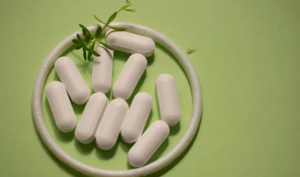
Interest in parasite cleanses has grown rapidly, especially among people dealing with bloating, irregular bowel movements, fatigue, abdominal discomfort, or other unexplained digestive symptoms.
But deciding to start a cleanse should not begin with ordering several supplements and changing your diet overnight.
A better approach is preparation.
Before beginning any supplement-based digestive wellness routine, it is worth reviewing why you want to start, whether your symptoms actually suggest a parasitic infection, which medications and supplements you already use, how your diet may change, and what warning signs should not be dismissed as part of a “detox.”
If you are before starting a parasite cleanse, the following checklist can help you approach the process with more realistic expectations and fewer unnecessary risks.
1. Be Clear About Why You Want to Start
The first question is simple:
Why are you considering a parasite cleanse?
People commonly become interested in these routines because of symptoms such as:
- Bloating
- Gas
- Constipation
- Diarrhea
- Fatigue
- Abdominal discomfort
- Changes in appetite
- Unusual-looking stool
The problem is that none of these symptoms is specific to parasites.
Similar symptoms can occur with food intolerances, infections, medication side effects, irritable bowel syndrome, constipation, dietary changes, stress, and many other conditions.
This makes self-diagnosis unreliable.
Starting a cleanse simply because a social-media post lists several common symptoms can lead to treating the wrong problem.
Before making major dietary or supplement changes, consider how long the symptoms have been present, whether they are getting worse, and whether there is a realistic exposure risk.
2. Understand That a Cleanse Is Not the Same as Parasite Treatment
A commercial parasite cleanse and medical treatment for a parasitic infection are two different things.
Cleanse products are generally dietary supplements or wellness protocols containing combinations of herbs, fiber, dietary changes, or other ingredients.
A diagnosed parasitic infection may require treatment chosen specifically for the organism involved.
That distinction matters because intestinal parasites are not all treated in the same way.
Different infections can involve different:
- Organisms
- Symptoms
- Diagnostic tests
- Medications
- Treatment durations
A broad herbal routine therefore should not be viewed as a substitute for diagnosis or parasite-specific medical treatment.
For a balanced overview of these limitations, the guide to parasite cleanse benefits and risks explains where digestive wellness practices end and medical parasite treatment begins.
3. Consider Whether Testing Makes More Sense First
If the reason you are considering a cleanse is a genuine concern about intestinal parasites, testing may provide more useful information than guessing.
The CDC guidance on parasite diagnosis explains that the appropriate test depends on symptoms, medical history, and possible exposure.
Testing may include:
- Stool examination
- Parasite-specific antigen testing
- Blood tests
- Other laboratory tests
- Imaging in certain situations
For some intestinal infections, more than one stool sample may be needed.
The key point is that there is no single universal test capable of detecting every parasite.
Testing becomes especially important when symptoms are persistent or when there has been meaningful exposure through travel, contaminated food or water, or another known risk.
4. Review Every Medication and Supplement You Take
This is one of the most important preparation steps.
Do not evaluate a new cleanse supplement in isolation.
Write down everything you already take, including:
- Prescription medications
- Over-the-counter medicines
- Vitamins
- Minerals
- Herbal supplements
- Fiber products
- Activated charcoal
- Sleep products
- Pre-workout supplements
- Other wellness formulas
The reason is simple: supplements can interact with medicines and with other supplements.
The FDA guidance on mixing medications and dietary supplements notes that some supplements can affect medication absorption, metabolism, or excretion.
That can change how much of a medicine reaches the body.
A pharmacist or healthcare professional can help determine whether specific ingredients present an interaction concern.
This is particularly important if you take medication for an ongoing health condition.
5. Read the Entire Supplement Label Before Day One
Do not wait until you have already started to study the instructions.
Before taking the first serving, check:
- Serving size
- Number of servings per day
- Ingredient list
- Suggested duration
- Warnings
- Storage instructions
- Whether it should be taken with food
- Whether timing instructions are provided
- Whether another component of the program must be taken separately
Do not assume that doubling a serving will produce faster results.
The FDA advises consumers to take dietary supplements only as directed and warns that problems can occur when people combine supplements, take excessive amounts, or use supplements in place of medicines.
More is not automatically better.
6. Prepare Your Diet Without Creating Extreme Restrictions
Many cleanse plans encourage major dietary changes.
Some changes—such as eating fewer highly processed foods and more whole foods—can fit into a sensible wellness routine.
However, there is usually no reason to remove numerous food groups at once without a specific medical or nutritional reason.
A practical diet before and during a cleanse may emphasize:
- Vegetables
- Fruit
- Whole grains
- Beans and lentils if tolerated
- Eggs
- Fish or poultry
- Nuts and seeds
- Healthy fats
- Adequate dietary fiber
- Regular meals
The goal should be balanced nutrition rather than trying to “starve parasites.”
Claims that every carbohydrate, fruit, or source of dietary sugar automatically feeds intestinal parasites oversimplifies human nutrition.
The parasite cleanse diet guide provides a more structured approach to whole foods, fiber, hydration, and meal planning without treating diet as a replacement for medical care.
7. Get Your Hydration Routine in Place
People often focus intensely on herbs and supplements while overlooking water.
Hydration becomes particularly important if your routine also changes:
- Fiber intake
- Bowel frequency
- Food intake
- Physical activity
- Psyllium use
- Other digestive supplements
If fiber increases while fluid intake remains inadequate, digestive discomfort may become worse rather than better.
However, drinking excessive quantities of water is not necessary either.
The practical goal is consistent hydration throughout the day based on individual needs, activity, diet, and environmental conditions.
Starting with sensible hydration before changing several other variables also makes it easier to identify what is causing any digestive changes that appear later.
8. Do Not Introduce Everything on the Same Day
Imagine beginning a cleanse and simultaneously adding:
- Three herbal supplements
- Activated charcoal
- Psyllium
- Probiotics
- Fermented foods
- A very high-fiber diet
- A completely new meal plan
Then imagine developing bloating or diarrhea.
Which change caused it?
You probably would not know.
Introducing numerous products simultaneously makes it difficult to identify what your body tolerates and what may be producing unwanted effects.
A simpler routine is easier to follow and easier to evaluate.
If a program requires several components, follow its directions carefully rather than adding unrelated products based on social-media recommendations.
9. Know What Side Effects Require Attention
One of the most problematic ideas in cleanse culture is that every uncomfortable symptom is evidence that the routine is working.
Headaches, nausea, diarrhea, abdominal discomfort, fatigue, and other symptoms are sometimes automatically called a “die-off reaction.”
That explanation should not be used to dismiss significant symptoms.
Digestive changes can occur after suddenly changing:
- Fiber intake
- Food intake
- Hydration
- Supplements
- Laxative use
- Meal timing
But that does not make every reaction beneficial.
Contact an appropriate healthcare professional if you develop concerning symptoms, particularly:
- Severe abdominal pain
- Persistent vomiting
- Significant dehydration
- Blood in stool
- Black or tarry stool
- High fever
- Severe diarrhea
- Difficulty swallowing
- Allergic symptoms
- Persistent or worsening symptoms
Continuing to increase supplement amounts because you believe stronger symptoms mean stronger cleansing can create unnecessary risk.
10. Decide in Advance What “Success” Actually Means
People often start a cleanse without defining what they expect to happen.
That creates a problem.
If there is no clear goal, almost any change can later be interpreted as evidence that the cleanse worked.
For example:
- More bowel movements
- Fewer bowel movements
- Mucus in stool
- Changes in stool shape
- Temporary bloating
- Feeling tired
- Feeling more energetic
These outcomes can have numerous explanations.
A more useful approach is to define realistic wellness goals beforehand.
They might include:
- Eating more whole foods
- Improving hydration
- Establishing regular meals
- Increasing dietary fiber gradually
- Following a supplement label consistently
- Monitoring a specific digestive symptom
- Reducing unnecessary processed foods
These are observable behaviors.
They are different from assuming that any unusual material in the toilet proves parasites have been removed.
Should You Take a Binder During a Parasite Cleanse?
Activated charcoal and clay-based products are sometimes marketed as “binders.”
These materials have different properties, and they should not automatically be added to every cleanse.
Activated charcoal is an adsorbent and can interact with substances present in the gastrointestinal tract.
This makes medication timing particularly important.
Taking medication, vitamins, herbal products, charcoal, and fiber together without considering their interactions can create an unnecessarily complicated routine.
If your cleanse includes a binder, follow the specific product directions rather than creating your own dosing schedule.
What About Psyllium and Extra Fiber?
Psyllium is a soluble, gel-forming fiber commonly used to support bowel regularity.
It is not an antiparasitic medication.
When used appropriately, fiber can help support normal bowel function, but increasing fiber too rapidly may contribute to:
- Gas
- Bloating
- Cramping
- Changes in stool
- Constipation when fluid intake is inadequate
If your normal diet is low in fiber, gradual increases are generally easier to tolerate than sudden large changes.
Should You Take Probiotics at the Same Time?
Probiotic products are frequently added to cleanse routines, but more supplements do not necessarily create a better protocol.
Different probiotics contain different organisms and strains.
Their effects cannot automatically be generalized across every product.
If you already tolerate probiotic foods such as yogurt or kefir, continuing a balanced diet may be simpler than introducing several new products at once.
If you want to experiment with a probiotic supplement, adding it separately from multiple other new products makes it easier to assess tolerance.
Who Should Be Especially Careful Before Starting?
Professional guidance becomes particularly important if you:
- Take prescription medications
- Have an ongoing gastrointestinal condition
- Have difficulty swallowing
- Have had bowel obstruction
- Have liver or kidney disease
- Have unexplained severe symptoms
- Are pregnant or breastfeeding
- Are preparing for surgery
- Are considering a cleanse for a child
“Natural” does not automatically mean harmless.
Herbal ingredients can have biologically active effects, and the risk may change when multiple ingredients or medications are combined.
When Should You Skip the Cleanse and Seek Evaluation Instead?
A cleanse is not the appropriate first response to every digestive complaint.
Consider medical evaluation if you experience:
- Persistent diarrhea
- Blood in stool
- Unexplained weight loss
- Significant abdominal pain
- Fever
- Recurrent vomiting
- Severe nighttime anal itching
- Symptoms following meaningful travel exposure
- Persistent symptoms after drinking potentially contaminated water
- Symptoms that continue despite dietary changes
Clinical experts reviewing the recent parasite-cleanse trend have also emphasized that unproven cleansing protocols should not replace diagnosis and targeted treatment when a real infection is suspected.
A Simple Pre-Cleanse Checklist
Before day one, ask yourself:
- Why am I doing this?
Is the goal general digestive wellness, or am I trying to self-treat unexplained symptoms? - Have persistent symptoms been evaluated?
If not, would diagnosis be more useful than guessing? - Have I checked my medications?
Include prescriptions, OTC medicines, herbs, and other supplements. - Have I read every product label?
Know the serving size, warnings, timing, and duration. - Is my diet reasonably balanced?
Avoid replacing normal nutrition with extreme restriction. - Am I drinking adequate fluids?
Especially if fiber intake will increase. - Am I changing too many things simultaneously?
Simpler routines are easier to evaluate. - Do I know which symptoms require medical attention?
- Do I have realistic expectations?
- Do I know what I will do after the routine ends?
Planning for the end is just as useful as planning for the beginning. A gradual return to normal eating, consistent hydration, and sustainable digestive habits are generally more practical than immediately beginning another cleanse. The guide to what to do after a parasite cleanse covers that transition in more detail.
Final Thoughts
The most important step before starting a parasite cleanse is not choosing the strongest herb, the largest supplement stack, or the strictest diet.
It is understanding why you are considering the routine in the first place.
Parasite-related symptoms overlap with many other digestive conditions, and confirmed infections may require organism-specific testing and treatment.
If you still choose to explore a supplement-based wellness routine, approach it methodically.
Review your medications, read the labels, eat adequately, maintain hydration, avoid adding unnecessary products, and know which symptoms should prompt medical attention.
Preparation also helps separate reasonable digestive-support habits from exaggerated claims.
A parasite cleanse should never require you to ignore persistent symptoms, abandon balanced nutrition, or assume every unpleasant reaction means the program is working.
A cautious, informed routine is always more useful than a complicated one built on guesswork.
Frequently Asked Questions
What should I do before starting a parasite cleanse?
Review your symptoms, medications and supplements, read all product instructions, maintain a balanced diet, establish adequate hydration, and understand possible side effects before beginning.
Should I get tested for parasites before doing a cleanse?
If you genuinely suspect a parasitic infection—particularly because of persistent symptoms or relevant exposure—professional evaluation and appropriate testing may provide more useful information than self-diagnosis.
Should I change my diet before a parasite cleanse?
You can focus on balanced whole foods, adequate fiber, and hydration without adopting extreme dietary restrictions. Major food exclusions should have a clear reason.
Can parasite-cleanse supplements interact with medications?
Yes. Herbal ingredients and other dietary supplements may interact with prescription or over-the-counter medications. Discuss new supplements with a healthcare professional or pharmacist when appropriate.
Should I take several cleanse supplements together?
Do not assume more products create better results. Follow the directions of the specific program and avoid adding unnecessary supplements without considering interactions and tolerance.
Is diarrhea during a parasite cleanse proof that parasites are dying?
No. Diarrhea can result from supplements, herbs, increased fiber, dietary changes, infections, or other causes. Persistent or severe diarrhea deserves appropriate evaluation.
How much water should I drink before a cleanse?
Hydration needs vary according to diet, activity, environment, health, and other factors. Maintain regular fluid intake and pay particular attention to hydration when increasing dietary fiber.
Can a parasite cleanse replace medical treatment?
No. A supplement-based cleanse should not be treated as a replacement for diagnosis or appropriate therapy for a confirmed parasitic infection.
Disclaimer: This article is intended for general educational purposes only and is not medical advice. Dietary supplements are not substitutes for diagnosis or treatment of parasitic infections. Consult an appropriate healthcare professional regarding persistent symptoms, medications, pregnancy, breastfeeding, or other individual health concerns.