submersible pumps
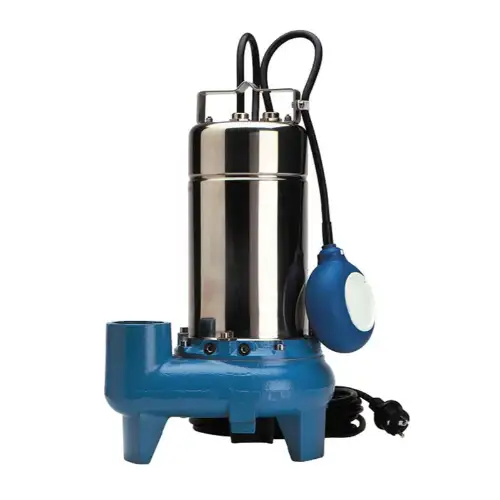
Submersible pumps are essential equipment used for moving water and other liquids from one location to another. Unlike conventional pumps that operate outside the liquid, a submersible pump is designed to work while completely or partially submerged. Because the pump and motor are placed directly inside the liquid, these systems can efficiently move water from wells, tanks, drainage areas, construction sites, and wastewater systems.
With reliable performance, compact designs, and a wide range of applications, submersible pumps have become an important solution for residential, commercial, agricultural, and industrial water-management requirements. Understanding how these pumps work, their different types, benefits, and selection factors can help users choose the most suitable option for their specific needs.
What Are Submersible Pumps?
A submersible pump is a type of centrifugal or positive-displacement pump designed to operate underwater or within the liquid being pumped. The pump is connected to a motor that is sealed to prevent water or other fluids from entering the electrical components.
When the pump is switched on, the motor drives an impeller or pumping mechanism. The impeller creates pressure that draws liquid into the pump and pushes it through a discharge pipe to the required destination.
Because the pump operates below the liquid level, it does not generally need to be primed in the same way as many surface-mounted pumps. This makes submersible pumps particularly useful for applications where water must be extracted from deep or difficult-to-access locations.
How Do Submersible Pumps Work?
The basic operation of a submersible pump is relatively straightforward. The pump is positioned inside a water source, drainage pit, tank, well, or another liquid-containing area. Once power is supplied to the sealed motor, the motor rotates the impeller.
The rotating impeller generates centrifugal force, which moves the liquid toward the discharge outlet. As liquid leaves the pump, more liquid enters through the pump’s intake. This creates a continuous flow.
The pump’s design, motor power, impeller size, discharge pipe diameter, and operating conditions determine the amount of liquid it can move and the pressure it can generate.
Submersible pumps are available in different configurations depending on whether they are intended for clean water, dirty water, sewage, chemicals, slurry, or other liquids.
Types of Submersible Pumps
Different applications require different pump designs. Some of the most common types include:
1. Submersible Water Pumps
These pumps are commonly used for transferring clean or relatively clean water. They can be used in domestic water systems, tanks, fountains, irrigation systems, and other applications.
2. Submersible Borewell Pumps
Borewell or deep-well submersible pumps are designed to extract groundwater from deep wells and boreholes. They are commonly used in agriculture, residential water supply, and commercial water systems.
These pumps are generally long and narrow so they can fit inside deep, narrow wells.
3. Sewage Submersible Pumps
Sewage pumps are designed to move wastewater containing solids and other contaminants. They typically use specially designed impellers and larger passages to reduce the possibility of clogging.
They are commonly installed in sewage treatment systems, wastewater collection facilities, commercial buildings, and municipal applications.
4. Drainage Pumps
Drainage submersible pumps are used to remove unwanted water from basements, construction sites, pits, tunnels, and flooded areas. They are designed to handle water efficiently and can be portable for temporary applications.
5. Slurry Pumps
Slurry submersible pumps are designed for liquids containing abrasive solids. They are commonly used in mining, construction, industrial processing, and other environments where conventional water pumps may not be suitable.
These pumps generally use durable materials and specialized components to withstand abrasive operating conditions.
Applications of Submersible Pumps
Submersible pumps are used across numerous industries because they can operate efficiently in challenging environments.
Agriculture and Irrigation
Farmers use submersible pumps to extract groundwater from borewells and supply water to irrigation systems. They can help provide a consistent water supply for crops, livestock, and agricultural operations.
The correct pump can deliver water over considerable distances while maintaining the pressure required by an irrigation system.
Residential Water Supply
Submersible pumps are frequently used to supply water from private wells and underground sources. They can transfer groundwater into storage tanks or directly into household plumbing systems.
Their submerged installation can also reduce operating noise compared with some surface-mounted pump systems.
Construction
Construction sites often accumulate groundwater and rainwater in excavated areas, trenches, and foundations. Submersible drainage pumps can remove this water and help keep work areas accessible.
Portable models are especially useful because they can be moved between locations as site conditions change.
Wastewater Management
Wastewater facilities depend on specialized submersible pumps to move sewage and contaminated water. These pumps can transfer wastewater between collection points, treatment systems, and disposal areas.
Proper pump selection is important because wastewater can contain solids, debris, and corrosive substances.
Industrial Applications
Industries use submersible pumps for water transfer, drainage, wastewater handling, cooling systems, and various liquid-transfer processes. Depending on the application, pumps can be manufactured using materials that provide improved resistance to corrosion, heat, or abrasion.
Benefits of Submersible Pumps
One of the primary advantages of submersible pumps is their ability to operate directly inside the liquid. This design provides several practical benefits.
Efficient Operation
Because the pump is located close to or inside the liquid source, it can push liquid without relying on a long suction line. This can improve hydraulic efficiency and reduce certain suction-related problems.
No Manual Priming
Many submersible pumps are self-priming by design because they remain submerged. This eliminates the need for repeated manual priming in many installations.
Reduced Noise
Since the pump and motor operate underwater, the surrounding liquid can help reduce operational noise. This can be beneficial in residential and commercial environments.
Compact Installation
Submersible pumps generally require less surface space because the main pumping equipment is installed inside the water source. This makes them suitable for wells, tanks, pits, and confined spaces.
Reliable Water Removal
Drainage and sewage models can provide continuous water removal when properly sized and installed. This is especially valuable in applications where standing water could damage equipment or interrupt operations.
Versatile Applications
From groundwater extraction to wastewater management, submersible pumps are available in configurations designed for a wide range of liquids and operating conditions.
Factors to Consider When Choosing Submersible Pumps
Selecting the right pump requires more than simply choosing a motor with higher horsepower. Several technical factors should be evaluated.
Flow Rate
Flow rate refers to the volume of liquid the pump can move over a specific period. It is usually expressed in litres per minute, litres per second, or cubic metres per hour.
Determine how much water or liquid needs to be transferred and choose a pump capable of meeting that requirement.
Total Head
Total head refers to the vertical distance and pressure the pump must overcome to move liquid from the source to its destination. Pipe friction and other system losses should also be considered.
Selecting a pump based only on vertical height without accounting for system losses can result in inadequate performance.
Motor Power
Motor horsepower or kilowatt rating should correspond to the required flow and head. A pump that is too small may struggle to meet demand, while an unnecessarily oversized pump can increase energy consumption and operating costs.
Liquid Characteristics
Consider whether the pump will handle clean water, wastewater, chemicals, sludge, slurry, or liquids containing solids. The pump’s materials and impeller design should match the liquid being handled.
Solids Handling Capacity
For sewage, drainage, and industrial applications, determine the size and quantity of solids that the pump must handle. A suitable solids-handling design can help reduce clogging and downtime.
Installation Depth
For deep-well applications, ensure the selected pump is rated for the required installation depth and pressure conditions.
Energy Efficiency
Since pumps may operate for many hours, energy efficiency can have a significant impact on operating costs. High-efficiency motors and correctly sized pumps can help reduce unnecessary energy consumption.
Maintenance of Submersible Pumps
Although submersible pumps are designed for demanding environments, regular maintenance can help extend their service life. Operators should periodically inspect electrical connections, cables, seals, discharge pipes, valves, and other components.
For wastewater and drainage pumps, the intake area should be checked for debris and blockages. In applications involving abrasive liquids, components such as impellers may require more frequent inspection.
Manufacturers’ maintenance recommendations should always be followed, particularly regarding electrical safety and servicing.
Conclusion
Submersible pumps provide an efficient and practical solution for moving water, wastewater, groundwater, and other liquids. Their ability to operate directly within the liquid makes them suitable for applications ranging from agricultural irrigation and residential water supply to construction drainage, sewage treatment, and industrial liquid handling.
Choosing the right submersible pumps requires careful consideration of flow rate, total head, motor power, liquid characteristics, installation depth, solids-handling requirements, and energy efficiency. A properly selected and maintained pump can deliver dependable performance while helping minimize downtime and operating costs.
Whether the requirement is groundwater extraction, floodwater removal, wastewater transfer, or industrial liquid handling, submersible pumping technology offers a versatile solution for many demanding water-management applications.