Facial expressions are a natural part of everyday life, but repeated muscle movement can gradually contribute to the appearance of expression lines. Areas such as the forehead, between the eyebrows, and around the eyes may develop visible lines when the muscles contract during smiling, concentrating, or other facial expressions.
Botox in London is a popular aesthetic treatment that uses botulinum toxin to temporarily reduce the activity of selected muscles. By carefully targeting specific muscles, practitioners can soften the appearance of certain expression lines while maintaining the natural movement and character of the face.
Before choosing treatment, it is helpful to understand how Botox works, what happens during a consultation, how treatment is personalised, and what you can expect afterwards. Having realistic expectations and discussing your goals with a qualified practitioner are important parts of the treatment process.
What Is Botox?
Botox is a brand name commonly used when discussing botulinum toxin treatments. In aesthetic medicine, botulinum toxin is used in carefully selected muscles to temporarily reduce their activity.
When muscle activity is reduced, the repeated movement responsible for certain dynamic facial lines can also be reduced. Over time, this can create a smoother appearance in the treated areas.
Botox Injections In London are generally tailored according to the individual’s facial anatomy, muscle movement, and aesthetic objectives. The treatment is not simply about injecting a standard amount into the same locations for every person.
Why Do People Consider Botox Treatment?
People may consider Botox for different aesthetic reasons. One common motivation is the desire to soften dynamic lines that become more visible with facial movement.
Common treatment areas include:
- Forehead lines
- Frown lines between the eyebrows
- Lines around the outer corners of the eyes
- Selected facial areas where muscle activity contributes to visible lines
The appropriate areas depend on the individual’s facial movement and treatment goals.
Some people prefer a subtle change that maintains considerable facial movement, while others may want more noticeable smoothing. These preferences should be discussed during consultation.
How Does Botox Work?
Botulinum toxin works by temporarily interfering with signals between nerves and targeted muscles. This reduces the ability of the treated muscle to contract as strongly.
Because dynamic lines are partly influenced by repeated muscle movement, reducing muscle activity can soften their appearance.
The treatment is temporary, meaning muscle activity gradually returns as the effects wear off.
The precise amount used and the injection locations depend on factors such as muscle strength, facial anatomy, treatment area, and the desired outcome.
What Happens During a Botox Consultation?
A consultation provides an opportunity to discuss your aesthetic goals and determine whether Botox is appropriate for you.
The practitioner may examine your face both at rest and during facial expressions. This can help identify which muscles are contributing to the lines you want to address.
The consultation may include an assessment of:
- Facial movement
- Muscle activity
- Existing expression lines
- Skin characteristics
- Facial proportions
- Treatment areas
- Desired degree of smoothing
The practitioner can then explain the proposed treatment approach and discuss what you can reasonably expect from the procedure.
Why Is Facial Movement Important?
Facial movement is an important part of Botox treatment planning. Different people use their facial muscles in different ways, which means the same injection pattern may not be suitable for everyone.
For example, one person may have strong forehead movement while another may rely more heavily on the muscles between the eyebrows.
Assessing facial movement allows the practitioner to identify the muscles that are most relevant to the patient’s concerns.
This individual approach can help maintain an appropriate balance between smoothing lines and preserving natural expression.
Which Areas Can Botox Treat?
Botox is commonly used for several upper-face areas.
Forehead lines can appear when the forehead muscles contract and raise the eyebrows. Frown lines may form between the eyebrows due to repeated contraction of the muscles in this region.
Crow’s feet, which appear around the outer corners of the eyes, are also commonly associated with repeated facial movement.
Other applications may be considered depending on the practitioner’s assessment and the individual’s goals.
A consultation is important because not every facial line is caused by muscle activity. Some lines are influenced by skin texture, volume changes, or other factors that may require a different treatment approach.
What Is the Difference Between Dynamic and Static Lines?
Dynamic lines are primarily associated with facial muscle movement. They may become more noticeable when a person smiles, frowns, raises their eyebrows, or makes another expression.
Static lines, on the other hand, may remain visible even when the face is relaxed. These can be influenced by several factors, including the natural ageing process and changes in skin structure.
Botox is particularly relevant to dynamic lines because it works by reducing targeted muscle activity.
During consultation, the practitioner can assess whether the lines you are concerned about are primarily related to muscle movement and explain what Botox may be able to achieve.
How Is the Treatment Personalised?
Personalisation is an important part of Botox Injections In London. The practitioner considers the individual’s facial anatomy rather than applying a fixed injection pattern.
Factors that may influence the treatment plan include:
- Strength of the facial muscles
- Location of expression lines
- Natural eyebrow position
- Facial symmetry
- Existing facial movement
- Previous Botox treatments
- Desired level of smoothing
The number and location of injections can therefore vary between individuals.
A personalised plan is designed to address the areas of concern while taking the overall balance of the face into consideration.
What Happens During Botox Treatment?
Once the treatment plan has been established, the practitioner marks or identifies the appropriate injection points.
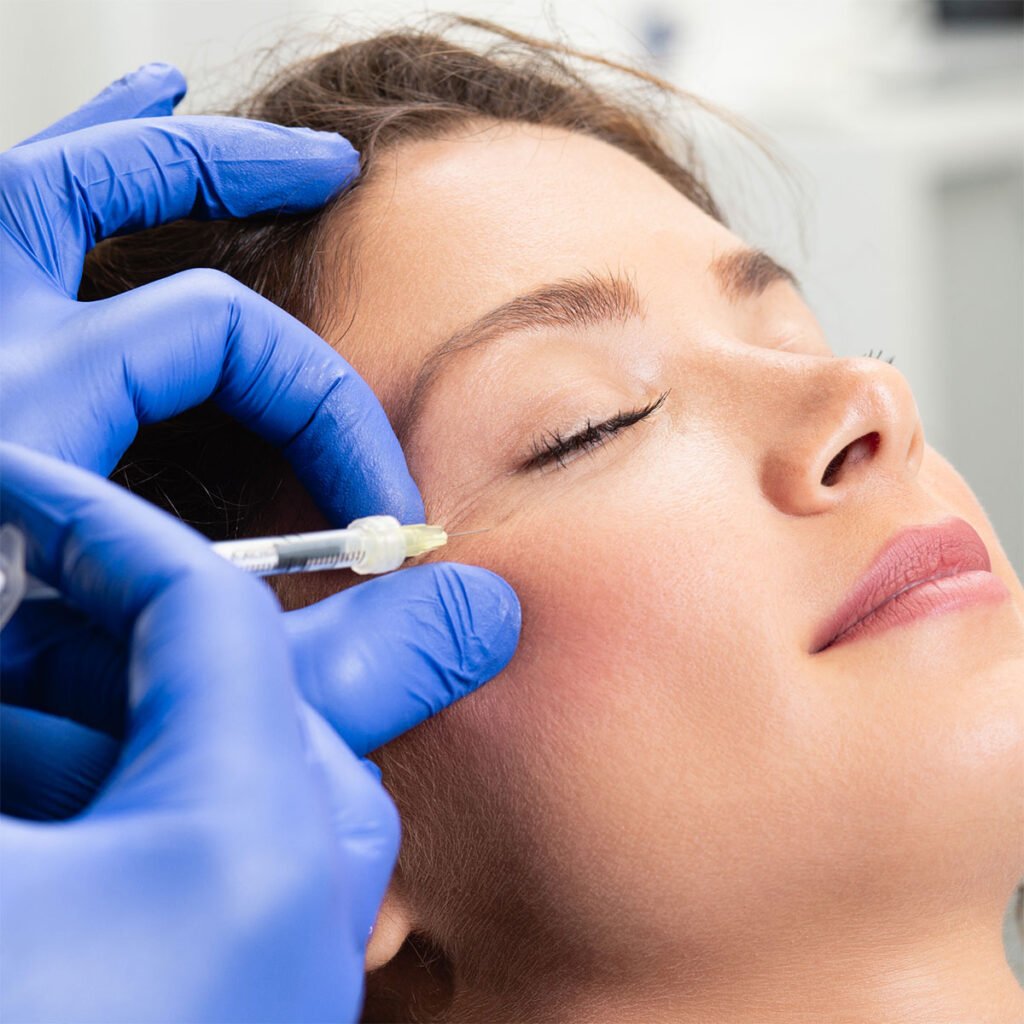
A fine needle is used to administer small amounts of botulinum toxin into selected muscles. The number of injections depends on the treatment areas and the individual’s facial anatomy.
The appointment is generally relatively quick, although the exact duration depends on how many areas are being treated.
After treatment, the practitioner may provide specific instructions about what to do during the initial period.
What Should You Know Before Your Appointment?
Before your appointment, it is important to communicate your goals clearly. Explain which lines or facial areas you would like to address and whether maintaining natural facial movement is particularly important to you.
You should also provide your practitioner with relevant information about previous aesthetic treatments and any medications or supplements you are taking.
If you have had Botox previously, mentioning when and where it was administered can also help the practitioner understand your treatment history.
What Can You Expect Immediately After Botox?
Botox treatment usually allows patients to return to many everyday activities relatively quickly, although individual instructions may vary.
Your practitioner will provide guidance about post-treatment care and any temporary restrictions that apply to your particular treatment.
It is important to follow the instructions provided by the clinic rather than relying on general advice intended for someone else.
The effects of Botox are not generally considered instantaneous. The treated muscles gradually respond over the following days.
When Does Botox Start Working?
The effects of Botox develop progressively rather than appearing immediately after the injections.
Some people begin to notice changes within several days, while the full effect generally takes longer to develop.
The exact timeframe can vary depending on the individual, the treatment area, and the amount administered.
Your practitioner can provide more specific guidance based on your treatment plan.
How Long Do Botox Results Last?
Botox results are temporary. Over time, the body gradually processes the botulinum toxin and muscle activity begins to return.
Many people find that the effects remain noticeable for several months, although the exact duration varies.
Factors such as muscle activity, treatment area, dosage, metabolism, and individual response can influence how long the results last.
If you choose to continue treatment, your practitioner can advise you about an appropriate schedule based on how your previous treatment has progressed.
What Happens When the Effects Wear Off?
As the effects of Botox gradually diminish, the treated muscles progressively regain their activity.
The appearance of dynamic lines may therefore become more noticeable again as normal muscle movement returns.
Some people choose to have repeat treatments when the effects have reduced. The timing should be discussed with a qualified practitioner based on your individual circumstances.
Can Botox Be Combined With Other Treatments?
Botox may sometimes be included as part of a broader aesthetic treatment plan. Other treatments may address different aspects of facial ageing, such as skin texture or changes in facial volume.
However, whether treatments should be combined depends on individual goals and facial characteristics.
During consultation, you can discuss other procedures or treatments you are considering. The practitioner can then determine whether they are appropriate and how they might fit into an overall treatment plan.
How Should You Choose a Botox Clinic?
Choosing the right clinic is an important part of your treatment journey. A Best Botox Clinic London should provide a detailed consultation, individual facial assessment, clear information about the treatment, and appropriate follow-up.
For those considering treatment at Bodyvie, the Bodyvie Clinic provides a setting where injectable aesthetic treatments can be discussed through personalised consultations.
When choosing a clinic, consider whether the practitioner takes time to understand your facial anatomy and goals rather than simply offering a standard treatment package.
What Questions Should You Ask Before Botox?
Before receiving Botox in London, you may want to ask your practitioner:
- Which facial areas would benefit from Botox?
- How does my facial muscle movement affect the treatment plan?
- How many injection points are likely to be required?
- When should I expect the effects to develop?
- How long might the results last?
- When should I consider a follow-up?
- Can Botox be combined with other treatments?
- What aftercare instructions should I follow?
- How can the treatment maintain a natural-looking facial appearance?
A detailed consultation allows you to understand the treatment before deciding whether to proceed.
Why Is Natural Facial Expression Considered?
Facial expressions contribute significantly to a person’s appearance and communication. For this reason, Botox treatment planning should consider how the muscles work together.
The objective is not necessarily to eliminate all movement. Instead, the treatment can be tailored according to the individual’s preferences and the practitioner’s assessment.
Discussing how much facial movement you would like to maintain can help the practitioner understand your desired outcome.
Conclusion
Botox Injections In London can provide a temporary way to soften the appearance of selected dynamic facial lines by reducing activity in specific muscles. The treatment is relatively straightforward, but achieving an appropriate result depends on careful assessment and individualised planning.
Before treatment, a consultation allows the practitioner to examine facial movement, identify relevant treatment areas, discuss your aesthetic goals, and develop an injection plan suited to your features. Understanding how Botox works and how its effects develop can also help you establish realistic expectations.
If you are considering Botox in London, choosing an experienced Best Botox Clinic London and having a detailed consultation can help you understand whether the treatment is suitable for your goals and what you can expect throughout the treatment process.
FAQs
What Is Botox?
Botox is a brand name associated with botulinum toxin. In aesthetic medicine, botulinum toxin can be injected into selected muscles to temporarily reduce their activity and soften certain dynamic facial lines.
What Are Botox Injections Used For?
Botox injections are commonly used to soften dynamic lines in areas such as the forehead, between the eyebrows, and around the outer corners of the eyes. Suitability depends on individual facial anatomy and treatment goals.
How Does Botox Work?
Botulinum toxin temporarily reduces communication between nerves and targeted muscles. This decreases muscle activity and can soften lines associated with repeated facial movement.
How Long Does Botox Take to Work?
The effects develop gradually. Some changes may become noticeable within several days, while the full effect generally takes longer. Your practitioner can explain the expected timeframe.
How Long Do Botox Results Last?
Botox results are temporary and commonly last for several months. The exact duration varies according to the individual, treatment area, muscle activity, and other factors.
Does Botox Remove All Facial Movement?
Not necessarily. Treatment can be personalised according to the desired level of muscle reduction. Discussing your preference for natural facial expression during consultation can help guide the treatment plan.
What Should I Tell My Practitioner Before Botox?
Tell your practitioner about previous Botox or aesthetic treatments, relevant medications or supplements, and your treatment goals. This information can help with treatment planning.
Can Botox Be Combined With Other Aesthetic Treatments?
In selected cases, Botox may be combined with other treatments that address different facial concerns. Your practitioner can assess your goals and determine whether combining treatments is appropriate.
What Happens After Botox Treatment?
The treated muscles gradually respond following the injections. Your practitioner will provide specific aftercare guidance, and the effects develop progressively over the following days.
How Do I Choose the Best Botox Clinic London?
Look for a clinic that offers a detailed consultation, personalised facial assessment, clear treatment information, and appropriate aftercare guidance. The practitioner should take your individual facial movement and aesthetic goals into account.
When Should I Have Another Botox Treatment?
Because Botox results are temporary, some people choose repeat treatment as the effects gradually wear off. The appropriate timing depends on your individual response and should be discussed with your practitioner.