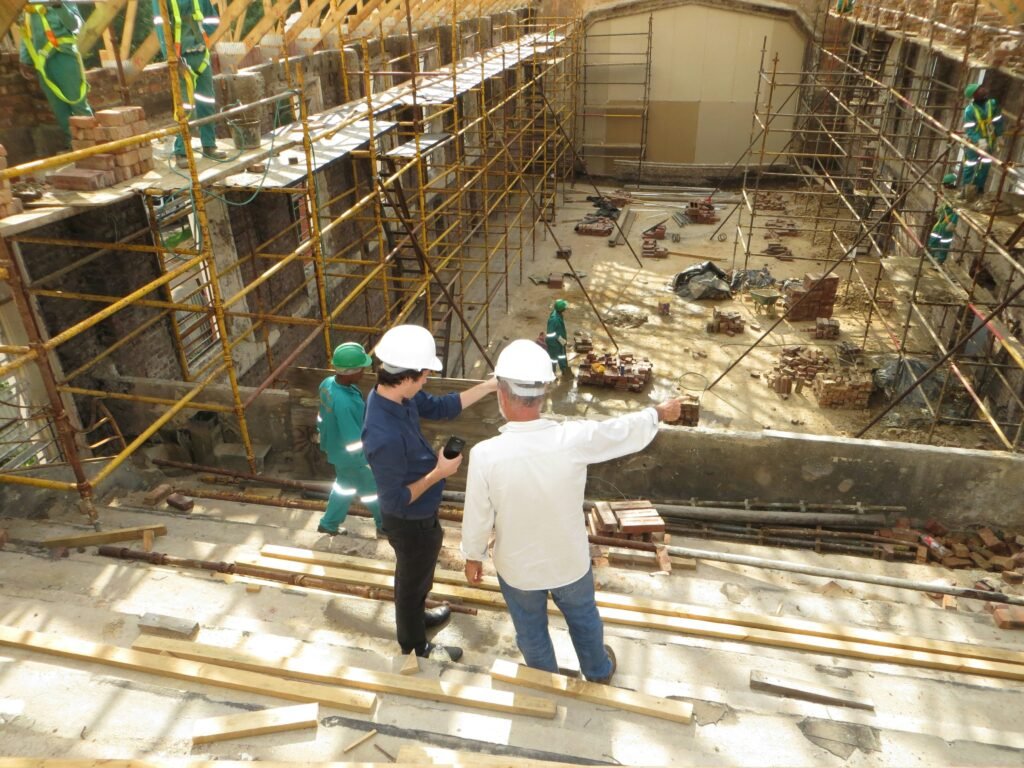
If a location needs walls that can withstand salt, wind, and the general whims of nature, brick veneer can offer the appearance of a traditional masonry home. It uses an exterior wall or “cladding” constructed from individual bricks set a short distance apart, allowing for a cavity, or space, to be maintained between this wall and the main internal structure of the house. For these kinds of exposure scenarios, the quality of the brick and mortar, as well as how meticulously the system is installed and detailed, become even more critical than standard domestic construction. The “wall” is, in this case, part of a complete external system, designed to protect and defend your home against its environment.
Brick, concrete block and stone can all be used to create homes that are not only visually striking but also sturdy and resilient. However, the ideal material selection for your house can depend on a range of site-specific and environmental factors that should be taken into account before any final decisions are made. There’s no universally ‘best’ option – only a choice that is right for your property, its location and its unique challenges. The question shouldn’t just be “brick or stone?”, but rather “what masonry will work best on this particular site?”
Coastal Location: High Exposure, High Demands
If your property is close to the ocean, your exterior walls will be subjected to constant challenges that the house inland won’t be. Coastal conditions include salt in the air and wind, often significant moisture and frequently changing weather patterns. This doesn’t necessarily rule out brick or other types of masonry – if anything, you’ll want one of the most protective exterior options available – but it means that you should approach the materials choice carefully and discuss them with your designer and masonry professional.
The performance requirements of your mortar and specific construction details become critical in a coastal environment, and should not be chosen just because they look good.
The good news?
In New Zealand, modern brick veneer construction, when designed and executed correctly, have proven their suitability for use in the marine environment.
Auckland or other Urban Locations: Balance Appearance and Practicality
Urban locations offer their own unique sets of requirements. Home owners in cities like Auckland will want to install exterior masonry that complements the look of their surroundings, especially in established neighbourhood’s. This is a space where brick really shines, offering a vast array of colours, textures and shapes that work well with both contemporary buildings and those of a more classic character.
Concrete block also remains a very viable and cost effective choice here and can be used in some very effective ways, especially if you need walls that serve a structural purpose.
It’s possible to use it as a feature or cover it, to create almost any look you desire.
Sloping Sections: More than just a pretty wall
If your site is sloping, you’re not just considering a facade, but also potentially a retaining wall or even a structural wall. Concrete blocks and natural stone are excellent for retaining walls where there’s a significant drop in ground level, but the requirements need to be analysed by an engineer. Retaining walls are built under pressure from soil and water and need to be designed and constructed correctly – the appearance becomes secondary in this case.
Earthquake Prone Regions: Protection Matters
In New Zealand, and especially in parts of Wellington and Canterbury, seismic concerns will significantly influence your masonry choice. While older, unreinforced stone or brick buildings have a poorer record during quakes, properly constructed and detailed new brick veneer wall systems perform well according to the building guidance of the Ministry of Building and Innovation. The critical question for homes in these areas is not simply about brick or stone being “safe,” but whether the chosen system has been properly detailed and installed for seismic protection. This caution also extends to renovation of existing older homes with solid brick or stone masonry which should be assessed by a qualified professional rather than relying on modern construction practice assumptions.
Flood Prone areas: the long term plan
For areas close to rivers, streams or the sea, careful planning is essential to provide the house with the long-term protection it needs. While materials like concrete block and stone may be considered, the location, floor levels, waterproofing, drainage and detail design all play a more significant role in ensuring durability and resilience than the type of masonry alone. Coastal, flood plain and riverside locations pose a number of specific risks as highlighted by the Building Act 2004, such as increased potential for flooding and erosion. You’ll want to get advice not just on the exterior materials but on the building as a whole.
Rural areas: stone can suit the landscape. It’s natural.
In rural locations, natural stone can fit in beautifully with the existing landscape and enhance the character of many types of buildings, from traditional country homes to stylish modern farmhouse.
If you’re seeking an aesthetic that complements the environment, stone often has the edge.
However, it is generally a more labour-intensive and therefore more expensive option than brick or concrete block. The cost varies depending on availability of local stone, quarrying, transportation and installation expertise. Because of this stone is often most effectively used as feature work around the house or the garden.
Consider the soil beneath.
Location influences what is on the surface, but you must consider what is on the ground. Drainage characteristics, stability, and soil type will affect foundation requirements as well as whether your masonry needs to support a retaining structure or a second story.
Choosing a material prematurely, before the broader structural and environmental design considerations are taken care of, can lead to costly mistakes or even an unsafe building.
You’ll be looking for a bricklayer, block layer or mason who understands the overall job and can work to structural specifications and the site-specific design.
Brick vs Stone in NZ: so where do you begin?
There really is no universal answer and no ‘one best’ building material for all sites.
• Brick provides an enormous range of possibilities and is one of our most popular and well understood masonry options for domestic homes in New Zealand.
• Concrete block often offers practical solutions for structural and landscaping applications and can be finished in a wide variety of ways to create an appealing aesthetic.
• Natural stone offers a distinctive and often premium appearance but requires skilled artisans to work with and is typically a higher investment. The right choice is based on a careful analysis of your specific site, your building plans, your budget and your desired outcomes. Don’t start with a look, start with the location. That’s a much more reliable guide.
If you are looking for expert Brick & Block Laying services in Auckland try Mr Singh’s Brick Block today.