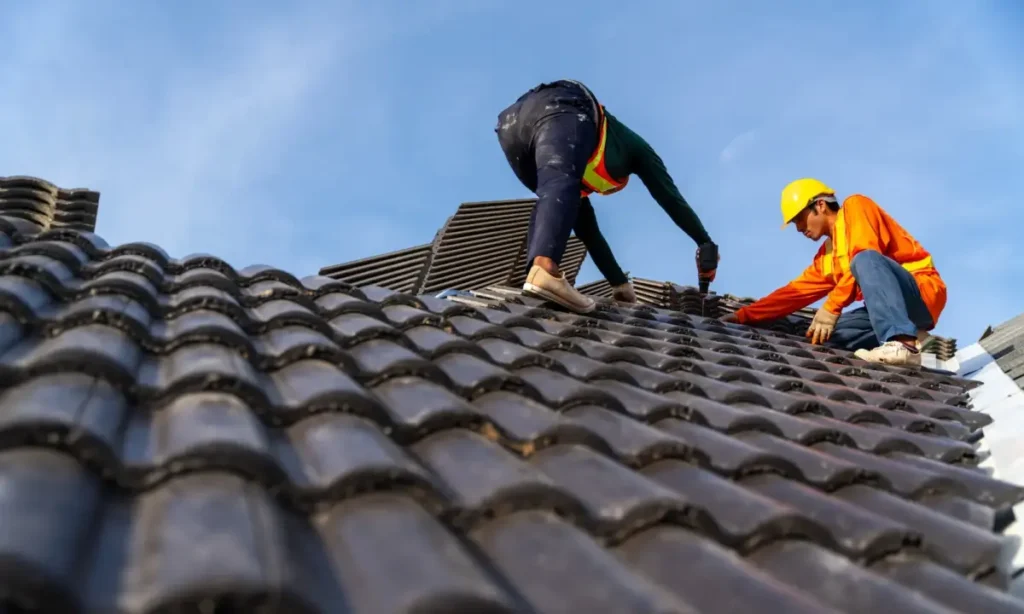
Commercial properties need roofing systems that protect the structure while supporting long-term operating efficiency. Energy efficient commercial roofing can help manage heat transfer, improve indoor comfort, and reduce unnecessary strain on HVAC systems. Choosing appropriate materials and professional installation also helps businesses maintain dependable roof performance through changing weather conditions. A properly planned roofing system can therefore contribute to both building protection and operational efficiency.

How Energy Efficient Commercial Roofing Helps Control Building Heat?
A well-designed roofing system can influence how much heat enters a commercial building. Reflective surfaces, suitable insulation, and properly installed roofing materials can work together to reduce heat absorption during hot weather. This can make interior temperatures easier to manage and may help lower cooling demands throughout the year.
Energy performance also depends on the condition of the complete roof assembly. Gaps, damaged membranes, poor flashing, and inadequate insulation can reduce efficiency even when high-quality materials are used. Regular inspections and timely maintenance help preserve the performance of the roof while protecting the building from moisture and weather-related damage.
What Makes a Thermoplastic Roofing Membrane Suitable for Commercial Buildings?
A Thermoplastic roofing membrane is commonly used on commercial buildings because of its flexible construction and resistance to many environmental stresses. Materials such as TPO and PVC can provide a continuous waterproofing layer when installed correctly. Their reflective properties can also support efforts to manage solar heat on suitable commercial properties.
These membranes can be applied to different types of commercial roof structures depending on the building and project requirements. Proper surface preparation, secure attachment, and carefully completed seams are important for achieving reliable results. Professional installation can help ensure that the selected membrane performs as intended over its service life.

How Thermoplastic Roofing Membrane Systems Support Roof Durability?
Weather exposure can gradually affect commercial roofing materials, particularly on buildings that experience strong sunlight, heavy rain, and temperature changes. A Thermoplastic roofing membrane can offer resistance to several common forms of environmental exposure when the correct system is selected and installed properly. Heat-welded seams can also create strong connections between membrane sections.
Long-term performance still depends on more than the membrane itself. Drainage, flashing, insulation, penetrations, rooftop equipment, and maintenance all influence the condition of a commercial roof. Routine inspections can identify small concerns before they develop into larger problems that require more extensive repairs or replacement.
When Should You Hire a Roofing Contractor in Austin TX?
A Roofing contractor in austin tx can assess a commercial roof before problems become disruptive to daily operations. Professional evaluation is especially useful when a roof shows recurring leaks, damaged materials, standing water, deteriorated flashing, or visible signs of aging. An experienced contractor can determine whether repair, restoration, or replacement is the most appropriate option.
Professional assistance is also valuable during new construction and major renovation projects. The contractor can help evaluate roofing materials, insulation requirements, drainage considerations, and installation methods. Addressing these details during the planning stage can improve the overall performance and longevity of the completed roof.
What Should Businesses Expect From a Roofing Contractor in Austin TX?
Working with a Roofing contractor in austin tx should involve more than simply installing roofing materials. Businesses should expect a clear assessment of existing conditions, practical recommendations, accurate project planning, and careful attention to installation details. Communication throughout the project is also important when roofing work takes place around employees, customers, equipment, or inventory.
Commercial roofing projects may vary considerably depending on the building’s size, roof design, existing materials, and intended performance goals. A professional contractor can account for these factors when developing a suitable roofing approach. Proper documentation and maintenance recommendations can further help property owners manage the roof after the project is completed.
How Can a Roofing Company in Austin TX Manage Commercial Roof Repairs?
A reliable Roofing company austin tx can approach commercial repairs by first identifying the source and extent of the problem. Visible water damage does not always indicate the exact location of a roof failure, so a detailed inspection can be important. Finding the underlying cause helps prevent temporary repairs from becoming a recurring solution.
Commercial repair work should also consider the condition of surrounding roofing components. Flashing, seams, drainage systems, penetrations, and insulation may all contribute to roof performance. Addressing related issues during the repair process can provide a more dependable result and help protect the building from future damage.
What Services Can a Roofing Company in Austin TX Provide?
A professional Roofing company austin tx may provide services ranging from inspections and maintenance to repairs, restoration, and complete commercial roof installation. The appropriate service depends on the roof’s current condition, age, materials, and long-term requirements. A detailed evaluation can help property owners make decisions based on the actual needs of the building.
Maintenance is particularly important for commercial properties because small roofing issues can affect operations when left unresolved. Scheduled inspections can help identify deteriorating materials, drainage problems, and vulnerable areas before they become major concerns. Combining quality materials with professional workmanship can support a more dependable roofing investment.
Choosing the Right Commercial Roofing Partner for Your Property
The right roofing partner should understand the requirements of commercial buildings and provide recommendations based on the property’s structure and usage. Experience with modern roofing materials, insulation, drainage, waterproofing, and maintenance can help create a more complete approach to roof performance.
Property owners should also look for transparent communication, detailed project planning, dependable workmanship, and responsive service. Whether the project involves repairs, replacement, or a new installation, choosing a qualified professional can make the process easier to manage while supporting the long-term condition of the building.
FAQs
1. What is an energy-efficient commercial roof?
An energy-efficient commercial roof is designed to reduce unwanted heat transfer and improve building performance through suitable roofing materials, insulation, reflective surfaces, and proper installation.
2. Is a thermoplastic membrane suitable for commercial roofing?
Yes. TPO and PVC thermoplastic membranes are widely used for commercial roofing because they can provide waterproofing, flexibility, and resistance to various environmental conditions.
3. How often should a commercial roof be inspected?
Commercial roofs should be inspected regularly, with additional inspections after severe weather or when signs of leakage, ponding water, or material damage appear.
4. Can commercial roofing improve indoor comfort?
A properly designed roof assembly can help reduce heat transfer and make indoor temperatures easier to control, particularly when roofing and insulation are selected appropriately.
5. When should a commercial roof be replaced instead of repaired?
Replacement may be more practical when a roof has widespread deterioration, repeated failures, extensive damage, or has reached the end of its expected service life.
Conclusion
Commercial roofing plays an important role in protecting buildings, supporting energy performance, and maintaining comfortable working environments. Selecting appropriate materials and using professional installation can help property owners achieve dependable results while addressing the specific requirements of their facilities.
From reflective roofing solutions to thermoplastic membrane systems, commercial properties have several options for improving roof performance. Regular inspections and maintenance can further extend the useful life of the system and help identify problems before they cause costly disruption.