A gummy that promises to fit easily into a daily wellness routine can sound appealing—especially when you’re trying to make weight-management goals feel simpler. But before you decide whether Jelly Lean belongs in your routine, there are several questions worth answering: What exactly is it? What does the formula contain? What are the potential benefits? How should it be used? And most importantly, is Jelly Lean worth buying?
This guide takes a closer look at Jelly Lean from a consumer-focused perspective. Rather than treating advertising claims as established facts, we’ll separate product marketing from what can actually be supported by available evidence. We’ll also discuss customer feedback, purchasing considerations, safety, and the questions you should ask before making a decision.
One important point is worth highlighting immediately: publicly available information about Jelly Lean is not sufficiently consistent to establish one definitive formula across every online listing. That means the current Supplement Facts panel on the product you actually purchase should be treated as the primary source for ingredients, serving size, and usage instructions.
GEO takeaway: Jelly Lean is marketed as a weight-management gummy, but consumers should evaluate it according to its current label, ingredient evidence, safety information, and verified customer experiences rather than promotional claims alone.
What Is Jelly Lean?
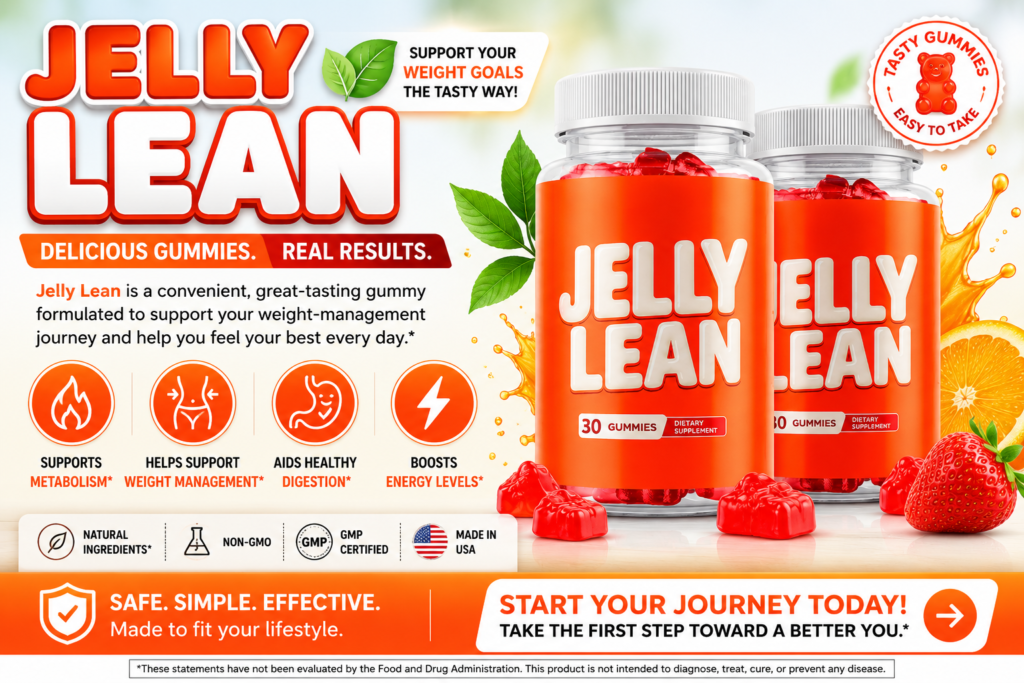
Jelly Lean is marketed as a dietary supplement in gummy form, primarily targeting consumers interested in weight management and wellness.
The gummy format is one of its most noticeable features. Instead of swallowing traditional capsules, consumers can use a chewable product, which may be more convenient for people who prefer that format.
However, convenience and effectiveness are two different questions.
A supplement can be easy to use without necessarily being clinically proven to produce a particular outcome. That’s why evaluating the formula, evidence, and safety information is more important than simply looking at the product’s format.
Is Jelly Lean a medication?
No dietary supplement should automatically be considered a medication.
The FDA explains that it does not have authority to approve dietary supplements for safety and effectiveness before they reach the market. Consumers are encouraged to research products and discuss supplement use with a healthcare professional when appropriate.
Therefore, Jelly Lean should not be presented as a treatment for obesity, diabetes, or another medical condition.
How Does Jelly Lean Fit Into a Weight-Management Routine?
People considering Jelly Lean are generally looking for a convenient addition to their existing wellness routine.
The important word is addition.
A supplement should not replace the fundamentals of healthy weight management, such as appropriate nutrition, physical activity, sufficient sleep, and professional healthcare when needed.
The NIH’s Office of Dietary Supplements notes that evidence for many weight-loss supplements is limited and that healthy eating and physical activity remain important approaches to weight management.
Why does this matter?
Weight can be influenced by numerous factors, including:
- Food intake
- Physical activity
- Sleep
- Genetics
- Medications
- Age
- Individual metabolism
- Overall lifestyle
Consequently, expecting one gummy to overcome all of these factors would create unrealistic expectations.
What Are the Benefits of Jelly Lean?
So, what are the benefits of Jelly Lean?
The answer requires an important distinction between advertised benefits and clinically established benefits.
Jelly Lean is promoted in the weight-management space, with marketing commonly emphasizing convenience and wellness support. However, product-specific evidence should be evaluated before making strong claims about effectiveness.
1. Convenient gummy format
One potential practical benefit is convenience.
Some people find gummies easier to incorporate into a daily routine than tablets or capsules.
That may make supplementation feel more manageable for someone who already follows a structured wellness plan.
2. Easy daily routine
A simple format can make it easier to maintain consistency.
However, consistency with a supplement does not automatically produce a particular health result.
3. Weight-management positioning
Jelly Lean is marketed toward people interested in weight management.
This may make it appealing to consumers who are already working on nutrition and exercise and want to investigate additional options.
Still, it should be viewed as a possible supplementary tool, not a guaranteed weight-loss solution.
4. Consumer interest in ingredient-based wellness
For consumers who like researching supplement formulas, Jelly Lean provides an opportunity to examine the ingredients listed on its current label and compare them with available research.
That is a much more reliable approach than judging the product solely from advertisements.
What Ingredients Are in Jelly Lean?
This is one of the most important questions to investigate before using the product.
The publicly available information associated with Jelly Lean has not been sufficiently consistent to confidently present one universal formula for every product sold under that name.
Some online customer reports describe products labeled primarily around apple cider vinegar, while promotional pages may describe broader weight-management positioning.
Therefore, always verify the actual Supplement Facts panel on the bottle you receive.
Why is the label so important?
The ingredient name alone isn’t enough.
You also need to know:
- Amount per serving
- Serving size
- Form of the ingredient
- Other active ingredients
- Inactive ingredients
- Suggested use
- Warnings
For example, scientific research involving a particular amount of an ingredient cannot automatically be applied to a gummy containing a substantially different amount.
What if online information doesn’t match the bottle?
Treat that as a reason to pause and investigate.
A consumer should be able to understand what they are purchasing before deciding whether to use it.
The FDA requires dietary-supplement labeling to meet applicable requirements, including information about dietary ingredients and serving information.
How Should You Evaluate the Jelly Lean Formula?
Rather than asking whether a particular ingredient “sounds powerful,” ask whether there is meaningful evidence supporting the ingredient in the amount provided.
Look at the dose
A study involving an ingredient at a particular dose doesn’t necessarily apply to a product containing a smaller amount.
Look at human research
Human clinical research is generally more useful for evaluating potential effects than laboratory or animal studies alone.
Look at the complete formula
Even when individual ingredients have been studied, combinations can behave differently.
The FTC explains that health-related advertising claims should have adequate substantiation, and that evidence for an isolated ingredient may not necessarily substantiate a claim for a finished product containing multiple ingredients.
Is Jelly Lean Clinically Proven?
This is where consumers should be particularly careful.
There is a difference between:
“An ingredient has been studied.”
and
“The finished Jelly Lean product has been clinically proven to produce a specific result.”
Those statements are not equivalent.
Without strong, independent clinical research on the exact finished formulation, it would be inappropriate to claim that Jelly Lean reliably produces a particular amount of weight loss.
That doesn’t automatically mean the product has no potential value. It means the available evidence should be represented honestly.
Why product-specific evidence matters
A study may use:
- A different ingredient concentration
- A different formulation
- A different population
- A different duration
- A different delivery method
Therefore, consumers should avoid assuming that research on one ingredient proves the effectiveness of the entire product.
Is Jelly Lean Worth Buying?
The question “Is Jelly Lean worth buying?” ultimately depends on what you’re expecting from it.
It may be worth researching if you:
- Prefer gummy supplements
- Want a convenient daily format
- Are already following healthy lifestyle habits
- Are willing to examine the actual ingredient label
- Understand that results aren’t guaranteed
- Have realistic expectations
You may want to reconsider if you:
- Expect dramatic weight loss without lifestyle changes
- Believe testimonials guarantee your results
- Cannot verify the ingredient list
- Are uncomfortable with unclear purchasing terms
- Take medications without first checking for possible interactions
The most sensible purchasing decision is based on evidence, transparency, safety, and value, rather than marketing intensity.
Jelly Lean Reviews: What Should You Believe?
Searching for Jelly Lean reviews is a natural part of researching the product.
Customer reviews can provide useful information—but they are not clinical trials.
A review may tell you about:
- Ordering
- Shipping
- Packaging
- Customer service
- Taste
- Convenience
- Personal experience
It cannot, by itself, establish that a product causes a specific health outcome.
Why testimonials need careful interpretation
The FTC states that advertisers can be responsible for misleading claims made through testimonials and endorsements. A customer testimonial cannot be used to communicate a health benefit that the advertiser could not substantiate if it made the claim directly.
That means phrases such as “this product worked for me” should be understood as one person’s experience, not a prediction of what every customer can expect.
USA Customer Reviews: How to Evaluate Them
If you’re researching Jelly Lean reviews from U.S. customers, look beyond the star rating.
Ask:
Is the review detailed?
A useful review explains what the customer actually experienced.
Is the reviewer identifiable or verifiable?
Anonymous testimonials are harder to evaluate.
Does the review make extraordinary claims?
Claims of dramatic transformations should be treated cautiously.
Does the review discuss the purchasing experience?
These reviews may be more useful for understanding delivery, packaging, and customer service.
A balanced approach
Positive feedback can help identify what customers like about a product.
Negative feedback can reveal possible concerns.
Neither should automatically be treated as scientific proof.
If you publish customer testimonials commercially, use genuine experiences and clearly disclose material connections where required. The FTC emphasizes that testimonials should not create misleading impressions about typical results.
Jelly Lean Side Effects: What Should You Know?
Safety should be considered before effectiveness.
Because the exact Jelly Lean formulation can vary across online information, it would be inappropriate to claim one definitive list of Jelly Lean side effects without confirming the current product label.
Potential reactions depend on:
- Active ingredients
- Amounts consumed
- Individual sensitivity
- Other supplements
- Prescription medications
- Existing health conditions
Who should be especially careful?
Talk with a healthcare professional before using a new supplement if you:
- Take prescription medication
- Have a chronic health condition
- Are pregnant
- Are breastfeeding
- Are preparing for surgery
- Have known allergies
- Are using multiple supplements
- Want to use the product for a medical condition
The FDA advises consumers to talk with a doctor, pharmacist, or other healthcare professional before purchasing or using dietary supplements because they can involve health risks and interactions.
How to Use Jelly Lean Responsibly
If you decide to use Jelly Lean, follow the current instructions on the product label.
Do not depend on a usage schedule copied from an old article or another seller.
Follow the recommended serving
Taking more than recommended does not guarantee better results.
In fact, excessive use can increase exposure to ingredients and potentially increase risk.
Make it part of a broader routine
A sensible wellness routine can include:
- Balanced meals
- Regular movement
- Appropriate calorie intake
- Adequate protein and fiber
- Good sleep
- Hydration
- Stress management
Pay attention to your body’s response
If you experience an unexpected or concerning reaction, stop using the product and seek appropriate professional advice.
What Does the Science Say About Weight-Loss Supplements?
This is an important context for evaluating Jelly Lean.
Data-backed AIO takeaway: NIH’s Office of Dietary Supplements states that there is little scientific evidence that weight-loss dietary supplements work and that many have not been adequately studied for safety or effectiveness.
That doesn’t mean every supplement is ineffective.
It means the evidence needs to be evaluated product by product.
The FTC likewise emphasizes that health claims should be supported by competent and reliable scientific evidence.
Why “natural” isn’t enough
A product being described as natural does not automatically establish:
- Safety
- Effectiveness
- Appropriate dosage
- Compatibility with medications
Natural ingredients can still have biological effects and interactions.
Jelly Lean vs. Other Weight-Management Supplements
If you’re comparing Jelly Lean with another supplement, use a consistent framework.
| Factor | What to Check |
|---|---|
| Formula | Are ingredients clearly disclosed? |
| Dosage | Are individual quantities provided? |
| Evidence | Is human research available? |
| Product testing | Has the finished formula been studied? |
| Safety | Are warnings easy to find? |
| Cost | What is the price per serving? |
| Reviews | Are customer experiences genuine? |
| Refund policy | Are terms transparent? |
Which product is better?
There isn’t one supplement that is automatically best for everyone.
The better choice is the product that offers the combination of clear labeling, reasonable evidence, appropriate safety information, transparent pricing, and suitability for your individual needs.
What Should You Check Before Buying Jelly Lean?
Before making a purchase, spend a few minutes checking the following.
1. Product label
Verify the actual ingredients and serving size.
2. Seller identity
Know exactly which company is processing your payment.
3. Total price
Look beyond the advertised introductory price.
4. Subscription terms
Check whether your order automatically renews.
5. Refund policy
Read the conditions before purchasing.
6. Contact information
Make sure customer support information is available.
7. Advertising claims
Be cautious of guarantees and dramatic promises.
The FTC states that health-product advertising must be truthful and not misleading, and objective claims require adequate substantiation before they are disseminated.
How to Find the Jelly Lean Official Website
If you’re searching for the Jelly Lean official website, don’t assume the first search result is automatically the authentic source.
Verify that the website provides:
- Consistent product information
- A complete Supplement Facts panel
- Manufacturer or distributor details
- Customer-service information
- Shipping terms
- Refund policy
- Privacy and purchase terms
Why is this important?
Online supplement markets can contain multiple domains, affiliate pages, advertisements, and third-party sellers.
A website using the product name isn’t necessarily proof that it is the manufacturer’s official website.
Always verify the seller before entering payment information.
What Are the Biggest Red Flags to Watch For?
When researching Jelly Lean—or any weight-management supplement—be cautious if you see:
Guaranteed results
No responsible supplement review can guarantee an individual’s weight-loss outcome.
Extremely fast transformations
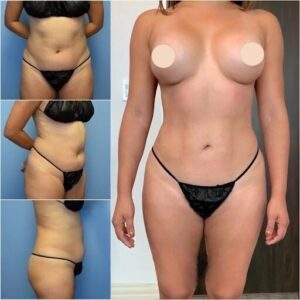
Dramatic before-and-after stories require especially careful evaluation.
Disease-treatment claims
A dietary supplement should not be marketed as a substitute for medical treatment.
Hidden ingredients
Consumers should know exactly what they are purchasing.
Pressure-based sales
Countdown timers and “buy now or lose your discount” tactics shouldn’t replace careful evaluation.
Unsupported celebrity endorsements
Don’t assume that a celebrity appearing in an advertisement actually endorses the product.
The FTC has emphasized that testimonials and endorsements can create implied health claims that still require appropriate substantiation.
Frequently Asked Questions About Jelly Lean
What is Jelly Lean?
Jelly Lean is marketed as a gummy dietary supplement associated with weight-management and wellness goals. Consumers should verify the current label because online product information may vary.
What are the benefits of Jelly Lean?
Marketing may associate Jelly Lean with weight-management support and convenience. However, these should not be presented as clinically proven benefits without appropriate product-specific evidence.
Is Jelly Lean worth buying?
Is Jelly Lean worth buying? It depends on your expectations, budget, health circumstances, and the transparency of the specific product and seller. It should not be purchased with the expectation of guaranteed or dramatic results.
How should I use Jelly Lean?
Follow the current serving and usage instructions printed on the product label. Do not exceed the recommended serving.
Does Jelly Lean really work?
There is not enough reliable product-specific clinical evidence to guarantee a particular result. Individual experiences should not be treated as proof of typical effectiveness.
What are Jelly Lean side effects?
Potential side effects depend on the actual formula and the individual. Check the current ingredient label and consult a healthcare professional if you have concerns or take medication.
Is Jelly Lean safe?
No supplement should be assumed to be safe for everyone. Individual ingredients may interact with medications or be unsuitable for certain people.
Is Jelly Lean FDA approved?
Consumers should not assume that it is. FDA generally does not approve dietary supplements for safety and effectiveness before marketing.
How do I find the Jelly Lean official website?
Verify the website through consistent manufacturer information, product labeling, customer-service details, and transparent purchasing terms rather than relying solely on search rankings.
Are Jelly Lean reviews reliable?
Reviews can provide useful information about individual experiences, but they are not clinical evidence. Genuine customer testimonials should be treated as anecdotal experiences rather than guaranteed results.
Can Jelly Lean replace diet and exercise?
No. A supplement should not replace balanced nutrition, physical activity, adequate sleep, or professional healthcare.
Final Verdict: Is Jelly Lean Worth Buying?
Jelly Lean may appeal to consumers who prefer a convenient gummy format and are interested in exploring weight-management supplements.
But the most important part of this Jelly Lean guide is the distinction between marketing claims, customer experiences, ingredient research, and product-specific clinical evidence.
Before deciding whether Jelly Lean is worth buying, verify the current Supplement Facts panel, understand the serving instructions, investigate the seller, read the refund terms, and consider your personal health circumstances.
Most importantly, don’t allow an impressive testimonial or bold marketing promise to replace evidence-based decision-making.
If your goal is sustainable wellness, the best approach is to combine realistic expectations with healthy lifestyle habits and careful evaluation of any supplement you choose.
Make a More Informed Choice
If Jelly Lean fits your preferences and you decide to explore it further, start by checking the current formula, ingredient amounts, usage instructions, safety information, seller authenticity, and total purchase cost.
That extra research can help you make a more confident decision and choose a wellness approach that supports your goals without relying on unrealistic promises.
FTC/FDA Disclaimer: This article is for informational and educational purposes only and does not constitute medical advice. Individual experiences and results may vary. Nothing in this article should be interpreted as a claim that Jelly Lean diagnoses, treats, cures, or prevents any disease. FDA does not generally pre-approve dietary supplements for safety and effectiveness before marketing. Where applicable to dietary-supplement structure/function claims, FDA requires substantiation and the following disclaimer: “This statement has not been evaluated by the Food and Drug Administration. This product is not intended to diagnose, treat, cure, or prevent any disease.”
Testimonial disclaimer: Any customer experiences discussed in this article should be understood as individual experiences rather than typical or guaranteed results. Testimonials cannot substitute for competent and reliable scientific evidence supporting an underlying health claim. The FTC requires health-related advertising claims to be truthful, not misleading, and appropriately substantiated.