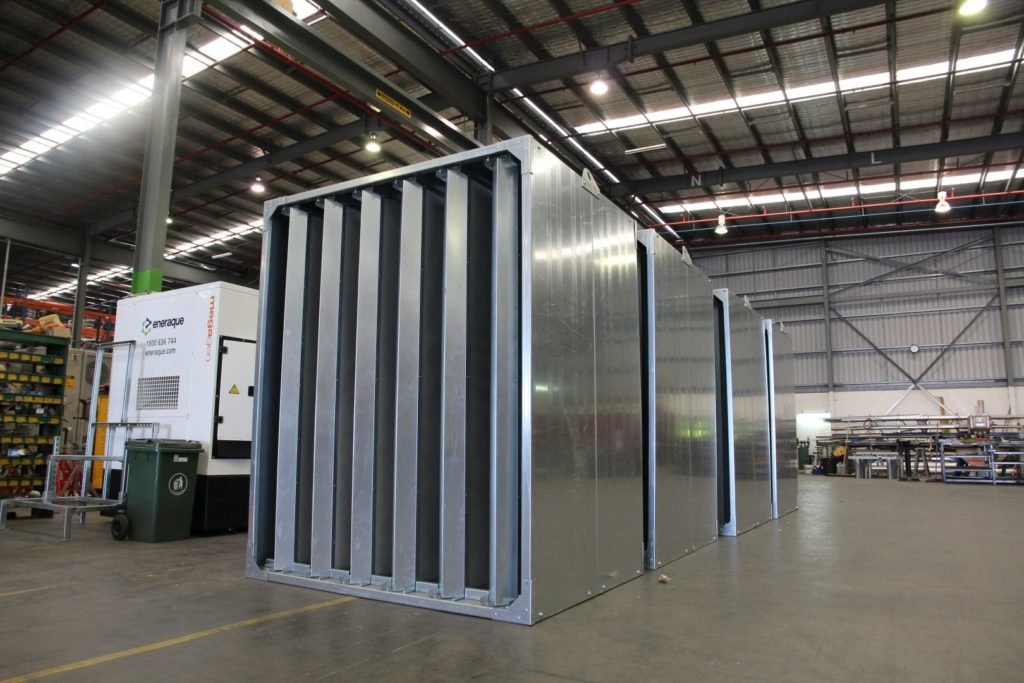
Sound Attenuators: The Silent Workhorses Behind Quieter HVAC and Industrial Systems
Anyone who has stood near an air handling unit or a large duct system knows how loud mechanical airflow can get. What most people don’t realize is that a lot of that noise can be controlled without shutting down airflow or compromising ventilation. This is where sound attenuators come in. These devices are designed to reduce noise traveling through ducts, HVAC systems, and mechanical equipment, making them essential in hospitals, commercial buildings, industrial plants, and residential complexes where both airflow and quiet operation matter equally.
What Are Sound Attenuators and How Do They Work
Sound attenuators, sometimes referred to as duct silencers, are installed within or alongside ductwork to absorb and dampen sound waves as air passes through. Instead of blocking airflow, they use internal baffles lined with acoustic-absorbing material to trap sound energy while letting air move freely. This makes them different from solid barriers, since their entire design purpose is to allow ventilation and noise reduction to work together rather than against each other.
Why Sound Attenuators Are Essential in Modern Buildings
Buildings today are designed with tighter noise regulations, especially in spaces like hospitals, offices, and residential towers where comfort and acoustic quality directly affect occupants. Sound attenuators help meet these requirements by controlling fan noise, compressor noise, and airflow turbulence before it travels through the ductwork and into occupied spaces. Without proper attenuation, even a well-designed HVAC system can become a constant source of background noise, affecting concentration, sleep, and overall comfort.
Choosing the Right Sound Attenuator for Your Application
Not all sound attenuators are built the same, and selecting the right one depends on airflow requirements, duct size, and the specific decibel reduction needed. Rectangular and circular attenuators are commonly used depending on duct shape, while the internal baffle design determines how much noise gets absorbed at different frequencies. It’s important to work with a manufacturer who understands both acoustics and mechanical airflow dynamics, since a poorly designed attenuator can restrict airflow and reduce system efficiency.
Ecotone Systems’ Approach to Acoustic Airflow Solutions
Ecotone Systems has developed strong expertise in designing acoustic solutions that balance sound reduction with mechanical performance. Their sound attenuators are engineered to fit seamlessly into HVAC and industrial ventilation systems, offering effective noise control without restricting airflow efficiency. Ecotone Systems works closely with facility planners and engineers to customize attenuator dimensions and acoustic ratings based on specific project requirements. This attention to technical detail is why Ecotone Systems is often chosen for projects where both comfort and performance are non-negotiable.
Final Thoughts
Sound attenuators may not be visible once installed, but their impact on comfort and compliance is significant. From hospitals to industrial plants, these devices quietly do the job of keeping mechanical noise under control. Working with an experienced provider like Ecotone Systems ensures your ventilation system delivers both the airflow and the acoustic performance your project actually needs.