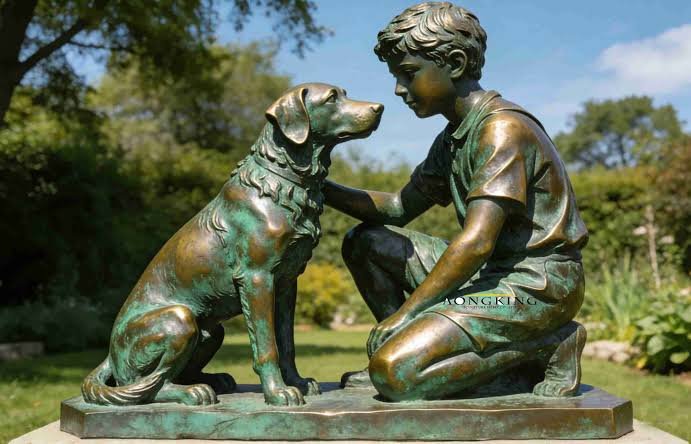
custom bronze statue
The price of a custom bronze statue depends on more than its appearance. Every project has different requirements that affect the final cost, from the amount of bronze used to the level of craftsmanship involved. Understanding these factors helps buyers set realistic expectations and choose options that match their budget without compromising quality.
Size and Bronze Usage
The size of a statue is one of the biggest factors that affect its price. Larger statues require more bronze, which increases material costs. Bigger pieces also need larger molds and more time during production.
Weight also plays a role. A heavier statue requires additional support during casting and handling, which adds to labor costs. Even a small increase in size can lead to higher expenses because both materials and production effort grow together.
Design Detail and Artistic Complexity
Simple designs usually cost less than highly detailed ones. A statue with realistic facial features, detailed clothing, or decorative textures takes longer to sculpt and refine before casting begins.
Complex poses or multiple figures also require greater artistic skill and careful planning. The more detailed the design, the more time artists spend creating an accurate model, which increases the overall cost.
Casting Process and Hand Finishing
Creating a bronze statue involves several production stages, and each one adds value to the finished piece. The main stages include:
- Casting: Skilled workers prepare the mold and pour molten bronze to create the basic form.
- Hand Finishing: Artisans smooth the surface, remove imperfections, and sharpen fine details by hand.
- Patina: A protective finish gives the statue its desired color while helping protect the bronze from weather and wear.
Each step requires experience and careful attention, making craftsmanship an important part of the final price.
Level of Customization
Custom features often increase the cost because they require additional design work. A statue created from photographs, sketches, or personal ideas takes more time than one based on an existing design.
Requests for custom accessories, engraved text, or design changes during production may also increase labor costs. The more unique the project becomes, the more time artists spend bringing the vision to life.
Delivery, Installation, and Project Timeline
Production costs do not end when the statue is complete. Buyers should also consider expenses that occur after manufacturing. These may include:
- Shipping: Large or heavy statues require secure packaging and specialized transportation.
- Installation: Outdoor displays may need equipment or professional installation to place the statue safely.
- Project Timeline: Rush orders often cost more because they require priority scheduling and faster production.
Planning these costs early helps prevent unexpected expenses before the statue reaches its final location.
Conclusion
The cost of a custom bronze statue depends on several factors, including size, design, craftsmanship, customization, and delivery requirements. Understanding how each element affects pricing allows buyers to make informed decisions. Choosing quality workmanship and planning the project carefully can provide lasting value and a finished statue that meets both expectations and budget.