Scrap metal price is an important consideration for individuals, businesses, and industries involved in recycling unwanted metal materials. The value of scrap metal can change regularly due to various factors, including market demand, metal quality, supply levels, and economic conditions. Understanding these influences helps people make informed decisions when collecting, sorting, and recycling scrap metal.
Different types of metals have different values based on their properties and uses. Non-ferrous metals, such as copper, aluminium, brass, and stainless steel, are often highly sought after because of their durability, conductivity, and wide range of industrial applications. Ferrous metals, including steel and iron, are also commonly recycled and contribute significantly to the recycling industry due to their availability and reusability.
The quality and condition of scrap metal play a major role in determining its price. Clean and properly separated materials are generally easier to process compared to mixed or contaminated scrap. Removing materials such as plastic, rubber, insulation, and other non-metal components can improve the quality of the metal and make recycling more efficient. Proper sorting also allows different metals to be processed according to their specific requirements.
Market demand is another important factor that affects scrap metal price. Industries such as construction, manufacturing, automotive production, and infrastructure development rely on recycled metals for various applications. When demand for raw materials increases, scrap metal values may change accordingly. Global supply, economic trends, and manufacturing activity can all influence fluctuations in pricing.
The quantity of scrap metal available can also affect its overall value. Larger amounts of well-organised and separated metal are often easier to transport and process. Businesses that generate metal waste through construction, manufacturing, or repair activities can benefit from effective collection and storage practices to maintain material quality.
Recycling scrap metal provides significant environmental advantages in addition to financial benefits. Producing new metals from raw materials requires mining, energy consumption, and extensive processing. Recycling reduces the need for new resource extraction and helps lower the environmental impact associated with metal production. Many metals can be recycled multiple times without losing their useful properties, making them valuable resources for a sustainable future.
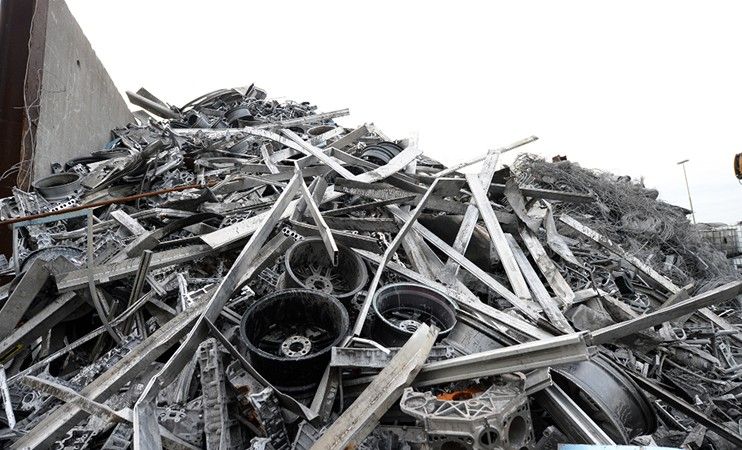
Common sources of scrap metal include old appliances, building materials, vehicle parts, machinery components, electrical equipment, and household items. Before recycling, separating different metal types can improve efficiency and help ensure materials are processed correctly.
Keeping track of scrap metal prices allows individuals and businesses to better understand the potential value of their recyclable materials. While prices may vary depending on market conditions and material quality, responsible recycling remains beneficial regardless of short-term changes.
By choosing to recycle scrap metal, communities can reduce waste, conserve natural resources, and support sustainable manufacturing practices. Proper management of unwanted metal helps transform discarded materials into useful resources while contributing to a cleaner and more environmentally responsible future.