Interior Designers Toronto Ontario: Creating Beautiful and Functional Spaces
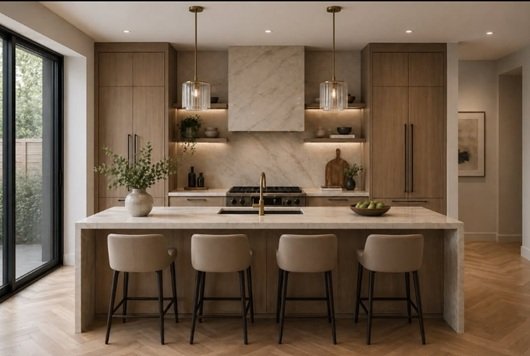
Interior Designers Toronto Ontario
Whether you’re renovating a family home, designing a modern condo, or transforming a commercial property, hiring experienced interior designers in Toronto Ontario can make all the difference. Professional interior designers combine creativity, technical expertise, and practical planning to create spaces that are both visually appealing and highly functional.
Toronto is home to diverse architectural styles, from historic Victorian homes to sleek downtown condominiums and contemporary office spaces. Interior designers understand how to maximize every square foot while reflecting your personality, lifestyle, and business goals. This guide explores the benefits of hiring an interior designer, the services they offer, current design trends, and how to choose the right professional for your next project.
Why Hire Interior Designers in Toronto Ontario?
Many people assume interior design is simply choosing furniture and paint colors. In reality, professional interior designers manage every aspect of a project, ensuring that beauty, comfort, and functionality work together seamlessly.
Hiring a professional offers several advantages:
- Personalized design solutions
- Better use of available space
- Access to quality materials and furnishings
- Improved project planning
- Professional budgeting assistance
- Coordination with contractors and suppliers
- Increased property value
- Reduced renovation mistakes
Professional designers help avoid costly errors by creating detailed plans before construction or remodeling begins.
Services Offered by Interior Designers Toronto Ontario
Interior designers provide comprehensive services for residential and commercial properties.
Residential Interior Design
Residential design focuses on creating comfortable and stylish living environments.
Common services include:
- Living room design
- Kitchen remodeling
- Bathroom renovations
- Bedroom interiors
- Dining room layouts
- Basement finishing
- Home office design
- Condo interior planning
- Custom furniture selection
- Lighting design
Each project is customized according to the homeowner’s lifestyle, preferences, and available space.
Commercial Interior Design
Businesses benefit significantly from professionally designed interiors.
Commercial projects often include:
- Office spaces
- Retail stores
- Restaurants
- Medical clinics
- Dental offices
- Hotels
- Salons
- Fitness centers
- Educational facilities
- Corporate headquarters
A well-designed commercial environment improves customer experience while increasing employee productivity.
Condo Interior Design in Toronto
Toronto’s growing skyline has created high demand for condo interior design.
Condo designers specialize in:
- Space-saving furniture
- Multi-functional layouts
- Built-in storage
- Open-concept living
- Minimalist interiors
- Smart home integration
- Modern lighting
- Compact kitchen optimization
Even smaller condos can feel spacious with thoughtful planning and creative design.
Luxury Home Interior Design
Luxury homes require sophisticated design solutions that balance elegance with functionality.
Features often include:
- Premium finishes
- Imported materials
- Custom cabinetry
- Designer lighting
- Smart home technology
- Home theaters
- Wine cellars
- Spa-inspired bathrooms
- Walk-in closets
- Statement staircases
Luxury designers carefully curate every detail to create timeless interiors.
Space Planning
One of the most valuable skills interior designers bring is effective space planning.
Proper layouts improve:
- Movement throughout the home
- Furniture placement
- Storage capacity
- Lighting efficiency
- Room functionality
- Comfort
- Visual balance
Even without major renovations, strategic space planning can dramatically improve daily living.
Interior Design Styles Popular in Toronto
Toronto homeowners appreciate a wide variety of design styles.
Modern Design
Modern interiors emphasize:
- Clean lines
- Neutral colors
- Open spaces
- Minimal clutter
- Large windows
- Simple furniture
Contemporary Design
Contemporary interiors feature:
- Bold accents
- Mixed textures
- Artistic lighting
- Curved furniture
- Natural materials
Scandinavian Style
Known for simplicity and warmth, Scandinavian design includes:
- Light wood
- White walls
- Cozy textiles
- Functional furniture
- Bright interiors
Transitional Design
This style blends traditional elegance with modern simplicity.
Features include:
- Neutral color palettes
- Comfortable seating
- Balanced décor
- Timeless finishes
- Layered textures
Industrial Design
Popular in Toronto lofts, industrial interiors showcase:
- Exposed brick
- Steel accents
- Concrete surfaces
- Open ceilings
- Reclaimed wood
- Large windows
Importance of Lighting Design
Lighting influences both appearance and functionality.
Interior designers typically combine:
Ambient Lighting
Provides overall room illumination.
Task Lighting
Supports activities like cooking, reading, and working.
Accent Lighting
Highlights artwork, architectural features, and decorative elements.
Layered lighting creates depth while improving comfort throughout the home.
Choosing the Right Color Palette
Color impacts mood, comfort, and visual perception.
Popular Toronto color schemes include:
- Soft whites
- Warm greys
- Earth tones
- Beige neutrals
- Forest green
- Navy blue
- Charcoal accents
Professional designers understand how natural light influences paint colors throughout the day.
Sustainable Interior Design
Eco-friendly design continues to grow in popularity.
Sustainable features include:
- Recycled materials
- Energy-efficient lighting
- Low-VOC paints
- Sustainable wood
- Water-saving fixtures
- Eco-friendly flooring
- Natural fabrics
- Indoor plants
Green design improves indoor air quality while reducing environmental impact.
Kitchen Interior Design
The kitchen remains one of the most valuable rooms in any home.
Professional designers focus on:
- Functional workflow
- Cabinet organization
- Countertop selection
- Appliance integration
- Lighting placement
- Island design
- Storage optimization
- Durable finishes
A well-designed kitchen supports cooking, entertaining, and family gatherings.
Bathroom Interior Design
Bathrooms have evolved into luxurious personal retreats.
Popular features include:
- Walk-in showers
- Floating vanities
- Freestanding bathtubs
- Heated floors
- Large mirrors
- Natural stone
- Modern fixtures
- Smart lighting
Thoughtful layouts maximize comfort while enhancing visual appeal.
Home Office Design
Remote work has increased demand for productive home office spaces.
Designers incorporate:
- Ergonomic furniture
- Sound management
- Natural lighting
- Custom shelving
- Organized storage
- Technology integration
- Comfortable seating
- Professional aesthetics
A well-designed office encourages focus and efficiency.
Furniture Selection
Choosing the right furniture requires balancing aesthetics, comfort, and functionality.
Interior designers consider:
- Room dimensions
- Traffic flow
- Material durability
- Lifestyle needs
- Scale and proportion
- Color coordination
- Maintenance requirements
Every piece contributes to the overall harmony of the space.
Custom Storage Solutions
Storage is essential for maintaining organized interiors.
Popular options include:
- Built-in shelving
- Walk-in closets
- Hidden storage benches
- Mudroom cabinetry
- Pantry organization
- Entertainment units
- Floating shelves
- Under-stair storage
Custom storage reduces clutter while enhancing visual appeal.
Interior Design Process
Most professional interior designers follow a structured workflow.
Initial Consultation
The designer learns about your goals, budget, and preferences.
Site Assessment
Measurements, photographs, and existing conditions are documented.
Concept Development
Mood boards, layouts, and design ideas are created.
Material Selection
Furniture, finishes, fabrics, lighting, and accessories are chosen.
Design Presentation
Clients review plans and request revisions if necessary.
Project Execution
The designer coordinates contractors, suppliers, and installations.
Final Styling
Artwork, décor, and accessories complete the finished space.
How to Choose Interior Designers Toronto Ontario
When selecting a designer, consider:
- Years of experience
- Portfolio quality
- Design style compatibility
- Client reviews
- Communication skills
- Budget transparency
- Project management experience
- Professional certifications
Meeting with several designers helps determine who best understands your vision.
Current Interior Design Trends in Toronto
Popular trends include:
- Warm neutral palettes
- Natural wood finishes
- Curved furniture
- Textured walls
- Sustainable materials
- Home wellness spaces
- Smart home technology
- Large-format tiles
- Statement lighting
- Multifunctional rooms
These trends combine modern aesthetics with practical everyday living.
Budgeting for Interior Design
A successful project begins with a realistic budget.
Costs typically include:
- Design consultation
- Planning and drawings
- Furniture
- Lighting
- Flooring
- Paint
- Renovation work
- Decorative accessories
- Installation
- Contingency expenses
Professional planning helps maximize value while minimizing unexpected costs.
Benefits of Working with Professional Interior Designers
Professional designers provide more than beautiful interiors.
They also offer:
- Expert planning
- Time savings
- Industry knowledge
- Access to trusted suppliers
- Better functionality
- Increased property value
- Personalized solutions
- Efficient project management
Their expertise ensures every detail contributes to a cohesive and practical design.
Final Thoughts
Finding experienced Interior Designers Toronto Ontario is one of the best investments you can make when renovating or designing a home or commercial property. From initial concepts to the final decorative touches, professional designers create spaces that reflect your personality while improving functionality, comfort, and long-term value.
Whether you’re updating a downtown condo, renovating a family home, designing a luxury residence, or planning a commercial office, skilled interior designers bring creativity, technical knowledge, and project management expertise to every stage of the process. With thoughtful planning, quality materials, and personalized design solutions, they transform ordinary spaces into inspiring environments that enhance everyday living and leave a lasting impression.