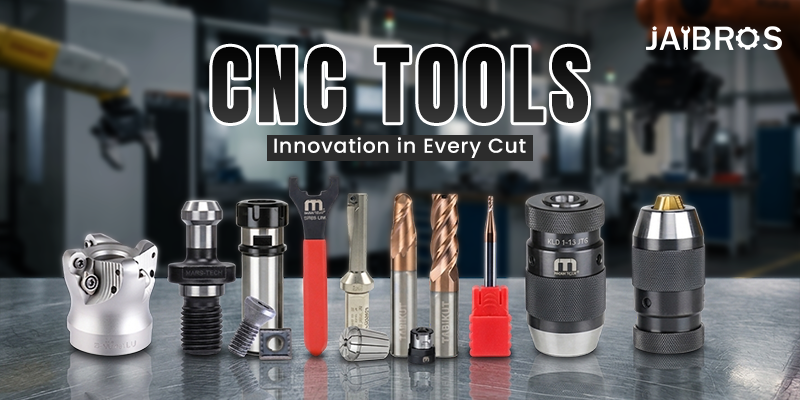
Modern manufacturing runs on precision, and at the heart of every precision job is one thing: the right CNC tool. Whether you’re machining aerospace components, automotive parts, or intricate molds, the performance of your entire operation depends heavily on the cutting tools you select. In this guide, we’ll break down what makes a great cutting tool, how to choose the right one for your application, and why investing in quality tooling pays off in the long run.
What Is a CNC Tool and Why Does It Matter?
A CNC tool refers to any cutting instrument used in Computer Numerical Control machines — including end mills, drills, inserts, reamers, and taps — designed to remove material with extreme accuracy and repeatability. Unlike manual machining, where operator skill compensates for tooling limitations, CNC machining relies almost entirely on the quality and geometry of the cutting instrument itself.
A poorly chosen tool can lead to excessive vibration, tool chatter, premature wear, and inconsistent surface finishes. On the other hand, a well-matched cutting tool improves cycle times, extends tool life, and reduces scrap rates — directly impacting your bottom line.
Key Factors to Consider Before Selecting a Cutting Tool
1. Material Compatibility
Every tool is engineered for specific materials. Carbide tools handle hardened steels and high-temperature alloys well, while high-speed steel (HSS) tools are more economical for softer metals like aluminum or brass. Matching your tool material to your workpiece is the single most important decision in tool selection.
2. Coating Technology
Coatings such as TiAlN, TiCN, and DLC significantly extend the life of a cutting tool by reducing friction and heat buildup. For high-speed or dry machining applications, a coated tool can outlast an uncoated one by several times, making it a worthwhile investment despite the higher upfront cost.
3. Geometry and Flute Design
The flute count, helix angle, and cutting edge geometry of a tool determine chip evacuation efficiency and surface finish quality. Fewer flutes generally allow better chip clearance for softer materials, while more flutes provide smoother finishes on harder metals at lower feed rates.
4. Rigidity and Toolholder Fit
Even the best cutting tool underperforms if it’s not held securely. Runout, poor clamping, and incorrect toolholder selection can cause deflection, leading to dimensional inaccuracies and shortened tool life. Always match your tool shank diameter and length to the appropriate holder for maximum rigidity.
Common Types of CNC Tools Used in Industry
- End Mills – Used for slotting, contouring, and profiling operations across a wide range of materials.
- Drills – Designed for creating precise holes, available in various point angles for different material hardness levels.
- Face Mills – Ideal for flattening large surfaces quickly with excellent finish quality.
- Chamfer Tools – Used to create clean, angled edges on finished parts, often for deburring or aesthetic purposes.
- Thread Mills and Taps – Essential for creating internal or external threads with high accuracy.
Each of these falls under the broader category of CNC tooling, and selecting the correct one for your specific operation is critical to achieving consistent, high-quality results.
Signs You Need to Upgrade Your Cutting Tool
Many shops continue using worn or outdated tooling simply because replacement feels like an unnecessary expense. However, certain warning signs indicate it’s time to invest in a better cutting tool:
- Increased cycle times due to reduced cutting efficiency
- Frequent tool breakage or chipping
- Poor surface finish requiring secondary operations
- Rising scrap rates from dimensional inconsistencies
- Excessive heat generation during cutting
If you’re noticing any of these issues, evaluating your current tooling inventory could reveal significant opportunities for efficiency gains.
Maintenance Tips to Extend CNC Tool Life
- Store tools properly — Moisture and dust exposure can degrade cutting edges over time.
- Monitor wear patterns regularly — Catching wear early prevents catastrophic tool failure mid-operation.
- Use proper coolant and lubrication — This reduces thermal stress on the tool and workpiece alike.
- Avoid running tools beyond their recommended limits — Pushing feeds and speeds too far shortens tool life dramatically.
- Re-sharpen when appropriate — Some CNC tools can be reground several times before requiring full replacement, offering excellent cost savings.
Final Thoughts
Selecting the right CNC tool isn’t just a technical decision — it’s a strategic one that affects productivity, part quality, and overall manufacturing costs. By understanding material compatibility, coatings, geometry, and proper maintenance practices, manufacturers can maximize the return on every tool they invest in. As machining demands continue to grow more complex, staying informed about the latest advancements in CNC tooling will remain essential for staying competitive in today’s precision-driven industry.
Author Bio: The author is a manufacturing industry writer with a strong interest in precision machining and industrial tooling trends. They enjoy breaking down technical topics into practical guides for machinists and shop owners alike.