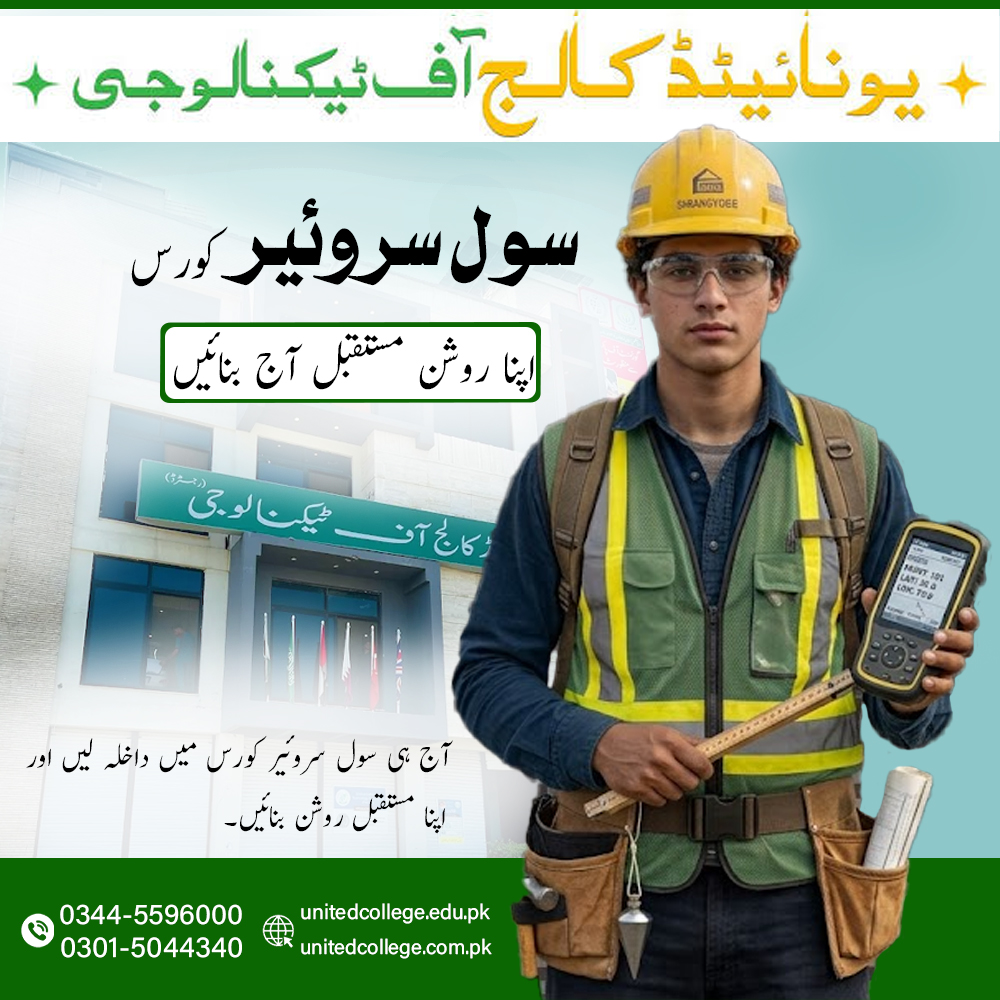
Why Soft Skills Matter for Civil Surveyors
Civil surveying is more than using modern equipment and taking accurate measurements. A successful civil surveyor also needs strong soft skills to work effectively with clients, engineers, contractors, and team members. These skills help improve communication, solve problems, and ensure projects run smoothly.
Whether you are planning to become a professional civil surveyor or are already working in the field, developing soft skills is just as important as learning technical surveying methods.
Communication Skills
Clear communication is one of the most valuable skills for a civil surveyor. Surveyors regularly share information with project managers, architects, engineers, and construction workers. They must explain survey data in a way that everyone can understand.
Good communication also helps prevent misunderstandings, reduces costly mistakes, and keeps construction projects on schedule. Strong written communication is equally important when preparing survey reports and project documentation.
Attention to Detail
Surveying requires a high level of accuracy. Even a small measurement error can affect the entire construction project. A civil surveyor must carefully check calculations, measurements, and site observations before submitting reports.
Paying close attention to detail improves the quality of work and builds trust with clients and employers.
Problem-Solving Ability
Construction sites often present unexpected challenges such as difficult terrain, weather conditions, or design changes. Civil surveyors need to think quickly and find practical solutions without delaying the project.
A good problem solver can identify issues early, reduce risks, and help the project stay on track.
Teamwork and Collaboration
Civil surveyors rarely work alone. They coordinate with engineers, contractors, architects, and construction supervisors throughout a project. Working well with others creates a positive work environment and improves project efficiency.
Respecting team members, sharing ideas, and supporting project goals are essential qualities for every surveyor.
Time Management
Construction projects follow strict deadlines. Civil surveyors must organize their daily tasks, complete fieldwork on time, and submit reports without unnecessary delays.
Effective time management helps surveyors balance multiple responsibilities while maintaining the accuracy of their work.
Adaptability
Every project is different. Surveyors may work on highways, bridges, buildings, housing societies, or infrastructure projects. Weather conditions, new technologies, and changing project requirements require surveyors to remain flexible.
Being adaptable allows professionals to learn new surveying equipment, software, and techniques that improve productivity.
Leadership and Professionalism
As surveyors gain experience, they may lead field teams or supervise junior staff. Leadership involves making responsible decisions, guiding team members, and maintaining high professional standards.
Professional behavior, honesty, and reliability help build long-term relationships with clients and employers.
Continuous Learning
The surveying industry continues to evolve with modern technologies such as GPS, drones, GIS, and advanced surveying software. Successful civil surveyors stay updated by learning new skills and improving their knowledge through training and practical experience.
Continuous learning increases career opportunities and prepares surveyors for more advanced roles in the construction industry.
Build Your Future with United College of Technology
If you want to become a skilled civil surveyor, choosing the right training institute is an important first step. The Civil Engineering Diploma at United College of Technology provides students with practical surveying knowledge, modern equipment training, and industry-focused education. Along with technical expertise, students are encouraged to develop the communication, teamwork, and leadership skills needed for long-term career success.
Take the Next Step Toward a Successful Surveying Career
Technical knowledge helps civil surveyors perform accurate measurements, but soft skills make them successful professionals. Communication, teamwork, problem-solving, adaptability, time management, and professionalism all contribute to better project outcomes and stronger career growth. By developing both technical and interpersonal skills, civil surveyors can confidently meet industry demands and create a successful future in the construction sector.