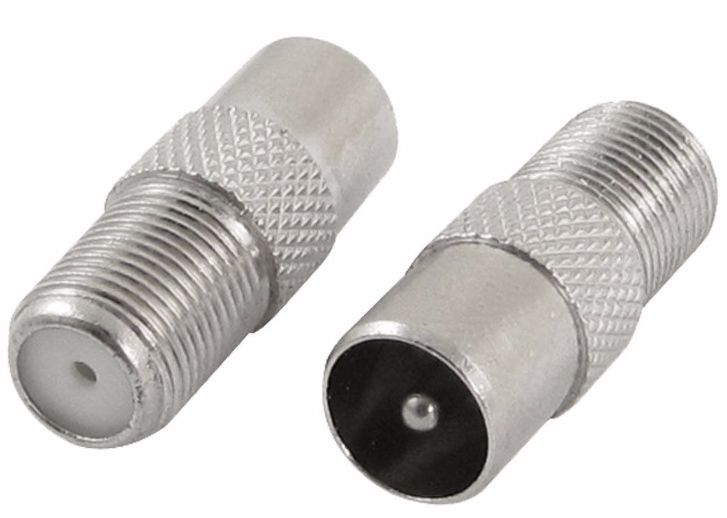
RF Coaxial Connectors & Adapters
RF Coaxial Connectors & Adapters are often overlooked until a signal problem appears, but they are among the most important components in any radio frequency setup. In communication systems, laboratory instruments, antennas, surveillance equipment, wireless infrastructure, and industrial electronics, the quality of the connection point can influence the entire system. Even when cables and devices are high grade, weak interconnection choices can introduce loss, instability, and unwanted noise. That is why RF Coaxial Connectors & Adapters deserve careful attention during design, installation, and maintenance.
These components do more than join two ends together. They help preserve the electrical path between cables, instruments, modules, and antennas. In high frequency applications, a poor fit is not just inconvenient. It can reduce accuracy, affect transmission quality, and create long term reliability issues. Understanding how RF Coaxial Connectors & Adapters work makes it easier to choose the right parts for dependable results.
What Is the Role of RF Coaxial Connectors & Adapters in Signal Systems?
RF Coaxial Connectors & Adapters are designed to carry radio frequency signals through coaxial cable assemblies without disrupting signal flow. Coaxial cable is built with a central conductor, insulation layer, outer shield, and protective jacket. This design helps control impedance and protect the signal from outside interference. The connector must continue that same structure at the termination point.
A connector links the cable directly to a device or another cable assembly. An adapter creates compatibility between two different interfaces. This may involve converting one connector family to another, changing gender, or allowing straight and angled configurations to work together. These small components make system integration far more practical, especially when engineers must connect equipment from different manufacturers or adapt a setup for testing.
Why Do RF Coaxial Connectors & Adapters Matter More at High Frequencies?
As frequency increases, connection quality becomes more important. Small imperfections that may seem minor in low frequency systems can create serious performance issues in RF environments. RF Coaxial Connectors & Adapters must therefore support both electrical precision and strong mechanical contact.
Consistent Impedance
Most RF systems operate with defined impedance values such as 50 ohms or 75 ohms. Connectors and adapters must match that value to avoid signal reflections. When the impedance changes at a connection point, part of the signal can bounce back instead of continuing through the system.
Better Signal Efficiency
Every added interface introduces some signal loss. High quality RF Coaxial Connectors & Adapters are built to reduce that loss and support cleaner transmission. This matters in communication, measurement, and broadcast applications where stable performance is essential.
Improved Shielding
Strong shielding protects the signal path from electromagnetic interference. In dense electronic environments, this can make a major difference. A well designed connector helps maintain the protective structure of the cable and reduces the risk of external noise affecting the signal.
Which RF Coaxial Connectors & Adapters Are Commonly Used?
Different connector families are developed for different applications. The right choice depends on size, frequency range, durability, and installation conditions.
SMA
SMA connectors are compact and threaded. They are widely used in antennas, RF modules, instrumentation, GPS equipment, and wireless devices. Their secure fit makes them suitable for precision applications.
BNC
BNC connectors use a bayonet style locking system that allows fast connection and disconnection. They are common in test equipment, radio systems, and some video applications where quick handling is useful.
N Type
N type connectors are larger and more rugged. They are often used in outdoor antenna systems, telecom installations, and industrial environments that require durability and stable RF performance.
TNC
TNC connectors provide threaded coupling and are often selected for systems exposed to vibration or movement. They are useful in mobile communication equipment and demanding field applications.
F Type
F type connectors are widely used in television, satellite, and broadband systems. They are practical for many signal distribution applications and remain common in consumer and commercial installations.
RF Adapters
RF adapters allow one connector style to mate with another. They are valuable during equipment upgrades, test bench work, temporary installations, and mixed system integration. While adapters add flexibility, they should still be selected carefully to avoid unnecessary loss or mismatch.
How Should RF Coaxial Connectors & Adapters Be Selected?
Choosing RF Coaxial Connectors & Adapters should never be based on appearance alone. Two parts may look similar but perform very differently depending on system requirements.
Important Factors to Review
- Frequency range of the application
- Required impedance
- Connector interface on each side
- Cable type and cable diameter
- Environmental conditions such as moisture, dust, and vibration
- Installation space and routing needs
- Straight or right angle design
- Mating cycle expectations
Material and Finish
Material quality has a direct effect on durability and conductivity. Brass, stainless steel, and plated contact surfaces are often used to improve resistance to wear and corrosion. In harsh environments, these details become even more important.
Where Are RF Coaxial Connectors & Adapters Used?
RF Coaxial Connectors & Adapters support a wide range of industries because controlled signal transmission is critical in many technologies.
Typical Application Areas
- Wireless communication systems
- Broadcast and media equipment
- Aerospace and defense electronics
- Medical instruments
- Test and measurement devices
- Satellite and navigation systems
- Industrial control and monitoring equipment
- IoT and embedded electronic hardware
In all of these sectors, connector reliability can affect signal quality, uptime, and system consistency. A well selected connector contributes to dependable operation across the full installation.
What Mistakes Can Reduce Connector Performance?
Even good RF Coaxial Connectors & Adapters can underperform when used incorrectly. Many system issues begin with installation or compatibility mistakes rather than with the connector design itself.
Common Problems to Avoid
- Using the wrong impedance type
- Selecting a connector not rated for the operating frequency
- Choosing a part that does not match the cable construction
- Overusing multiple adapters in one path
- Installing connectors with poor termination technique
- Ignoring contamination, corrosion, or looseness during maintenance
These issues can lead to return loss, unstable signals, or physical wear that shortens service life.
How Can Long Term Reliability Be Improved?
Reliable RF performance depends on both the product and the way it is handled. Good practice during assembly and maintenance helps RF Coaxial Connectors & Adapters perform as intended for a longer period.
Useful Best Practices
- Match the connector exactly to cable and device requirements
- Use proper tools for crimping or termination
- Keep connection surfaces clean and protected
- Tighten threaded connectors correctly
- Inspect interfaces regularly in demanding environments
- Replace worn or damaged adapters before they affect the system
Conclusion
RF Coaxial Connectors & Adapters are essential building blocks in any system where radio frequency performance matters. They support signal continuity, control impedance, reduce interference, and enable compatibility between different equipment types. Their value becomes even greater in high frequency and mission critical environments where small connection problems can create major system issues. By understanding connector types, selection factors, and installation best practices, engineers and buyers can make smarter decisions that improve performance, reliability, and long term efficiency across RF applications.