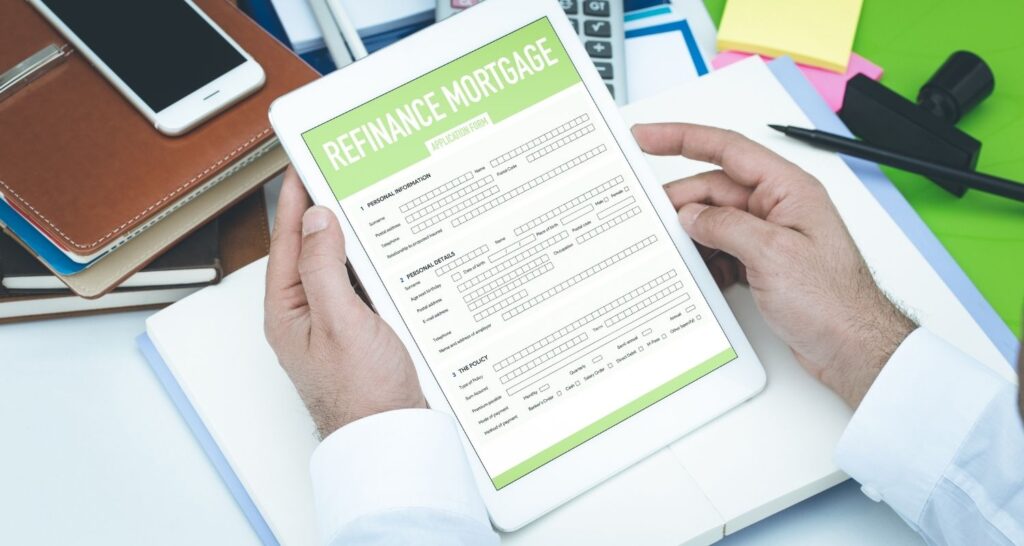
Refinance Mortgage
What Refinancing Can Do
A Refinance Mortgage replaces or restructures an existing home loan to better match current needs. Homeowners may explore this option to adjust payments, access equity, consolidate debts, change terms, or prepare for a new financial stage. The reason should be clear before the process begins.
A Refinance Mortgage is not only about getting a different loan. It is about deciding whether a new structure improves the overall picture. When used wisely, refinancing can create breathing room, simplify obligations, or support planned investments in the property.
Start with the goal
Before applying for a Refinance Mortgage, homeowners should write down the main objective. Lower monthly pressure, shorter payoff time, renovation funding, or debt organization are very different goals. Each one may require a different structure.
Reviewing the Full Financial Picture
A Refinance Mortgage should be measured against income, expenses, home value, existing balance, and future plans. Homeowners should also consider how long they expect to stay in the property. A structure that works for one household may not work for another.
Debt consolidation is a common reason to review a Refinance Mortgage. Combining higher-payment obligations into the home loan may improve cash flow, but it should not become a reason to restart the same spending pattern. A new budget is just as important as the new mortgage.
Equity and affordability
Equity can influence how much is available through a Refinance Mortgage, but affordability still matters. The payment should fit comfortably, including taxes, insurance, utilities, and other household costs. Borrowing more than needed can weaken long-term stability.
Preparing for the Process
Homeowners can prepare by collecting mortgage statements, income records, property tax information, debt details, and a realistic estimate of property value. A Refinance Mortgage review is smoother when documents are organized from the start.
It also helps to compare the current mortgage with the proposed structure. Look at payment changes, remaining amortization, flexibility, penalties, and future plans. A Refinance Mortgage should solve a real problem or create a measurable benefit.
When Refinancing Makes the Most Sense
A Refinance Mortgage can be useful when the benefit is clear and measurable. For example, a homeowner may want to reduce monthly strain, organize debts, fund necessary improvements, or change the mortgage structure to match a new stage of life.
The decision should also include future habits. If refinancing clears debts, the household may need a spending plan that prevents those balances from returning. Without that discipline, refinancing may only provide temporary relief.
A careful review also considers timing. Homeowners should look at renewal dates, possible penalties, income changes, and property plans. Refinancing should support the next chapter, not create a larger challenge later.
Questions before applying
Before choosing a Refinance Mortgage, homeowners should ask what problem they are solving, how the new payment fits the budget, and whether the total debt picture improves. A clear answer helps separate a useful strategy from a temporary reaction.
They should also compare today’s needs with tomorrow’s plans. Refinancing may feel helpful now, but it should still make sense if income changes, the home is sold, or another major goal appears within the next few years.
Good preparation can also speed up the review. Keeping documents ready, checking balances, and listing household goals gives the refinancing process a stronger direction from the start.
Conclusion
A Refinance Mortgage can be a powerful tool when it is guided by purpose rather than impulse. By reviewing goals, equity, affordability, and the long-term impact, homeowners can decide whether refinancing supports a stronger financial path and a more manageable mortgage plan. The right refinance decision should make the mortgage easier to manage and the household plan more stable. A Refinance Mortgage should leave the homeowner with a clearer path, better control, and a mortgage structure that fits real life.