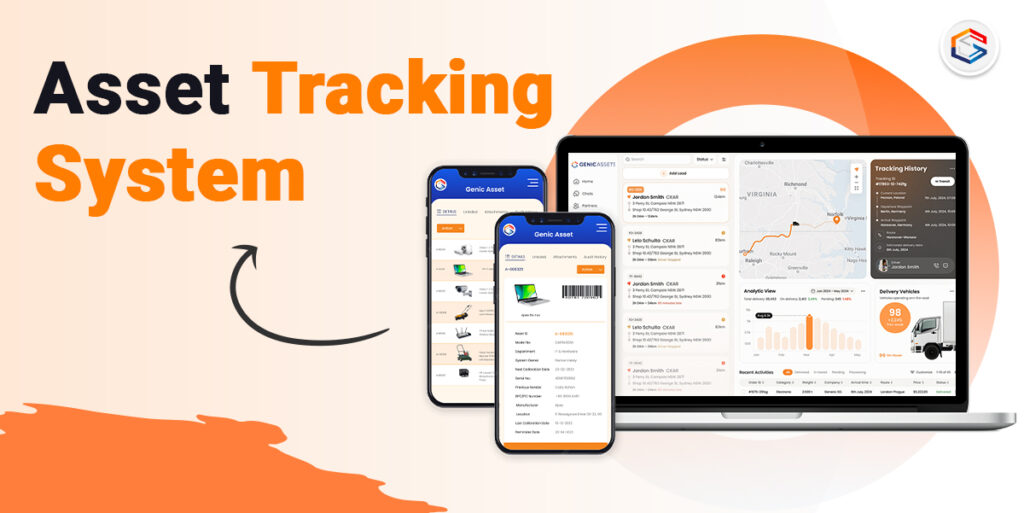
Businesses handle many tools, machines, laptops, and stock items each day. Without a clear tracking process, teams may misplace assets, waste time, and struggle with daily tasks. Many firms now trust an asset tracking system in Malaysia to follow asset movement, prevent loss, and strengthen control across different locations.
A strong tracking setup helps managers spot asset records in real time and schedule maintenance with ease. Teams can also finish audits with less stress and fewer errors. As businesses expand, manual records often create gaps that slow tasks and confuse staff.
Digital tracking tools fix these problems by keeping records neat and simple to find. In addition, modern systems support barcode scanning, mobile access, and automatic alerts for repairs or updates. When firms choose the right solution, they sharpen workflow, guard valuable equipment, and support future business growth with stronger confidence and clear accuracy.
Why Asset Tracking Matters
A good tracking setup keeps each asset in clear view. Staff can trace movement, check use, and spot faults before damage spreads. Because of this, firms save time and protect valuable stock.
Key Gains from a Smart Setup
- Clear records for each item
- Fast checks during audits
- Less loss across sites
- Better care plans for tools
- Strong control over stock flow
In many sectors, teams need fast access to data. Yet, paper logs create gaps and errors. A digital setup removes guesswork and keeps records fresh each day.
Understand Your Business Needs
Every business handles assets in its own way. Therefore, firms should study daily tasks before they choose a system. A warehouse may track stock each hour, while a school may track laptops and lab tools.
Managers should ask clear questions before buying a solution.
Questions to Consider
- Which assets need tracking?
- How often do assets move?
- Who will use the system?
- Does the firm need remote access?
- Will the business grow soon?
Clear answers help firms choose tools that fit real work needs instead of extra features that staff may never use.
Features That Deserve Attention
Each firm has its own needs. Therefore, managers must study features before they choose a system.
Real-Time Tracking
Live tracking helps teams trace assets across stores, yards, and work sites. Staff can check item status without long searches. As a result, work moves with fewer delays.
Simple Dashboard
A clean dashboard helps staff learn the system with ease. Clear menus reduce stress and cut training time. Because of this, teams adapt with less confusion.
Alerts and Reminders
A useful asset management software in Malaysia sends alerts for repair dates, low stock, or missing items. These prompts help teams act before issues grow.
Mobile Access
Field staff need access from phones or tablets. Mobile support helps workers scan assets, update records, and report faults on site.
Look at Barcode and RFID Support
Many firms now use barcode and RFID tools for fast scanning. These tools help teams reduce manual work and improve record accuracy.
Benefits of Barcode Systems
- Quick scanning during audits
- Fewer human errors
- Faster stock updates
- Simple asset tagging
Benefits of RFID Tracking
RFID tags help teams scan many assets at once. Staff can track items from longer distances without direct contact. Therefore, warehouses and factories often favour this method.
Think About Business Size
Small firms and large groups need different tools. A small warehouse asset management software may need basic tracking. Yet, a large network may need deep reports and wide access control.
Before you decide, study these points:
- Number of assets
- Number of users
- Site locations
- Growth plans
- Daily workflow needs
A system should support future growth. Otherwise, firms face fresh costs and new delays after a short period.
Check Ease of Integration
Many firms use finance tools, stock systems, or repair logs. Therefore, the new setup must link with the present tools. Good links reduce repeat work and keep records in sync.
An asset management software in Malaysia should fit daily tasks without major changes. Staff should move data across systems with ease.
Why Integration Matters
When systems work together, teams avoid duplicate records and missing data. As a result, managers gain a clearer view of operations.
Integrated systems also help firms:
- Save staff time
- Reduce manual entry
- Improve report accuracy
- Strengthen workflow control
Focus on Security and Access Control
Asset records hold key business data. Because of this, firms must guard access with care. Managers should set user roles for each team.
Strong Security Steps Include
- User login control
- Data backup plans
- Access limits by role
- Record history checks
These steps protect records from loss and keep work on track during system faults.
Cloud vs On-Site Storage
Some firms store data in the cloud, while others keep records on local servers. Cloud systems support remote access and simple updates. On-site storage gives firms direct control over data. Managers should compare both options before they decide.
Training Shapes Success
A strong system fails when staff lack skill. Therefore, training plays a key role during setup. Teams should learn scanning, reporting, and record checks before launch day. Managers should give clear guides and simple lessons. As a result, staff gain trust in the system and use it each day without fear.
Ways to Improve Staff Learning
- Offer short training sessions
- Create simple user guides
- Give hands-on practice
- Answer staff questions early
Good training helps teams avoid mistakes and use system features with confidence.
Study Reporting Tools
Reports help firms track costs, repairs, and asset use. Good reports reveal weak points and guide better plans.
An asset tracking system should create clear reports without long steps. Teams need facts in simple form so they can act with speed and confidence.
Useful Reports to Look For
- Asset movement reports
- Maintenance history
- Usage records
- Loss and damage reports
- Audit summaries
Clear reports help managers make strong decisions and plan future growth.
Maintenance Tracking Improves Asset Life
Machines and tools need regular care. Without maintenance, firms face breakdowns and delays. A tracking system helps staff plan service schedules before issues appear.
Key Maintenance Features
- Service reminders
- Repair logs
- Warranty tracking
- Spare part records
These tools help firms extend asset life and reduce repair costs over time.
User Experience Matters
Staff use the system each day. Therefore, the setup should feel simple and smooth. Complex menus slow work and frustrate teams.
Signs of a User-Friendly System
- Clear screen layout
- Fast search tools
- Simple navigation
- Easy report access
A clean design helps staff complete tasks with less effort and fewer mistakes.
Choose a Flexible Solution
Business needs shift with time. Therefore, firms should pick systems that adapt to growth. Flexible tools support fresh sites, new users, and added stock without strain. Many firms now pair tracking tools with asset management software to gain deeper control over records and repairs. This link helps teams manage assets from purchase to disposal.
Benefits of Flexible Systems
- Support for business growth
- Easy feature upgrades
- Better workflow changes
- Smooth user expansion
Flexible systems help firms avoid major disruptions in future operations.
Build a Clear Asset Control Plan
Every business needs a simple plan to manage tools, machines, and stock items. Without a clear process, teams may scramble to find missing assets or untangle record mistakes. A strong control plan helps staff organise assets, track movement, and handle tasks with better accuracy. It also helps managers make faster decisions during daily work.
Steps to Create a Strong Process
- Mark each asset with clear tags or codes
- Refresh records after every movement
- Give staff clear roles for asset handling
- Inspect asset condition on a regular schedule.
Final Thoughts
Choosing the right tracking solution helps businesses protect valuable assets and improve daily operations. A reliable system cuts manual work, strengthens record accuracy, and guides better decisions across departments. Many growing firms now use an asset tracking system in Malaysia to track stock, tools, and equipment with stronger control and smoother workflow.
Before selecting a platform, businesses should review their goals, daily workflow, and future growth plans. A flexible system with strong reporting, security, and mobile access can support teams for many years. Clear training and simple features also help staff learn the system with confidence. With the right setup in place, companies can reduce waste, improve productivity, and keep operations running smoothly across every location.
FAQs
Q 1: Why do businesses need asset tracking tools?
Businesses use tracking tools to follow equipment, stock, and machines in one place. These tools help teams prevent loss, sharpen record accuracy, and finish daily tasks with better speed and control across different work locations.
Q 2: Can small businesses use tracking systems?
Yes, small businesses can use tracking systems with ease. Simple tools help staff organise assets, review records, and manage stock without long manual work. These systems also support future growth as the business expands over time.
Q 3: How do mobile features help field workers?
Mobile access helps field workers scan items, refresh records, and flag issues from any location. This feature strengthens communication between teams and keeps records fresh without the need to return to the office.
Q 4: What should businesses check before choosing a system?
Businesses should review ease of use, reporting tools, security features, and future growth support before making a decision. A system should match daily work needs and help staff handle tasks without confusion or delays.