Circular Connectors
Reliable connectivity is at the heart of modern electrical and electronic equipment. In industrial automation, transport systems, medical devices, renewable energy installations, and communication networks, a weak connection can cause downtime, signal disruption, and rising maintenance costs. This is one reason Circular Connectors continue to hold such an important place in system design. Their shape, mechanical strength, and secure locking features make them suitable for environments where durability and performance are essential.
Unlike many standard connection solutions, Circular Connectors are designed to operate in demanding conditions. They can handle vibration, dust, moisture, temperature variation, and repeated use more effectively than many alternatives. As modern equipment becomes more compact and more advanced, the need for dependable interconnect technology continues to grow across industries.
What Are Circular Connectors?
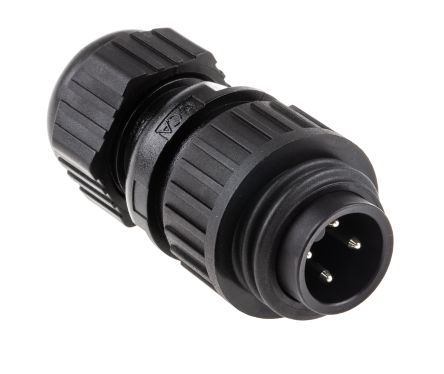
Circular Connectors are electrical connectors with a round housing and matching interface that allow the transfer of power, signal, or data between components and systems. They usually consist of a plug and receptacle arrangement with multiple contacts placed inside a circular shell. This design helps create a secure and organized connection point while supporting reliable performance in a wide range of applications.
One of the biggest reasons Circular Connectors are so widely used is their versatility. They are available in various shell sizes, contact layouts, materials, and sealing levels. This makes them suitable for everything from small control devices to large industrial equipment. Their adaptable design allows engineers and buyers to select a connector that closely matches the electrical and environmental demands of the application.
Why Circular Connectors Are Used in Demanding Industries
Connection failure can lead to expensive delays and performance issues. In sectors where systems must run continuously, reliable interconnect components are not optional. Circular Connectors are often selected because they help reduce the risk of accidental disconnection and environmental damage while supporting long service life.
Key benefits of Circular Connectors
- Secure mating for stable electrical continuity
- Compact design for better space efficiency
- Strong resistance to vibration and movement
- Protection against dust, moisture, and contaminants
- Availability in power, signal, and data configurations
- Long operating life in harsh environments
- Easier servicing and maintenance in complex systems
Because of these benefits, they are commonly used where consistency, safety, and mechanical reliability are essential.
Main Types of Circular Connectors
Different applications require different connection solutions. Circular Connectors are produced in several types to support specific operating needs.
Power connectors
These connectors are built to carry electrical current in applications where strong and stable power delivery is required. They are commonly used in machinery, automation systems, and industrial equipment.
Signal connectors
Signal connectors are used for low current transmission in controls, sensors, instrumentation, and monitoring systems. They help preserve signal integrity in applications where accuracy matters.
Data connectors
As equipment becomes more connected, data capable Circular Connectors are becoming increasingly valuable. They support communication systems and digital equipment that need stable and protected data transmission.
Hybrid connectors
Hybrid designs combine power, signal, and data contacts within a single body. This helps reduce cable complexity and can simplify installation in advanced systems.
Where Circular Connectors Deliver the Most Value
Many industries depend on secure and durable connection points to support daily operations. Circular Connectors are used in a wide range of sectors because they can perform under challenging conditions while maintaining stability.
Industrial automation
Factories and process plants use connectors in motors, sensors, drives, robotic systems, and control cabinets. A secure round connector can help reduce unexpected interruptions and support efficient production.
Transportation systems
Rail systems, commercial vehicles, and heavy equipment operate under constant motion and vibration. These conditions make reliable connector retention especially important for long term performance.
Medical technology
Portable instruments, patient monitoring systems, and diagnostic devices all need compact and dependable interfaces. In such environments, consistent connection quality supports both performance and serviceability.
Outdoor and energy applications
Renewable energy systems, power infrastructure, and field equipment are regularly exposed to moisture, dust, and temperature changes. Connectors used here must be durable enough to withstand the elements.
Features That Make Circular Connectors Reliable
The success of Circular Connectors comes from a combination of smart design and practical engineering. Their structure is intended to protect the connection while making installation and use more efficient.
Secure locking systems
Threaded, bayonet, and push-pull mechanisms help keep the connection firmly in place. This reduces the chance of accidental disconnection during operation or maintenance.
Rugged housing materials
Metal and high performance plastic housings are both used depending on the application. These materials help protect internal contacts and improve mechanical strength.
Environmental sealing
Many Circular Connectors include sealing features that guard against water, dust, oil, and other contaminants. This improves long term reliability in indoor and outdoor installations.
Contact durability
Well designed contacts help maintain conductivity across repeated mating cycles. This is important in systems that require regular disconnection and reconnection.
How to Choose Circular Connectors for the Right Application
Choosing the right connector involves more than selecting a suitable size. The best option depends on electrical requirements, installation conditions, and expected usage patterns. Circular Connectors should be chosen with attention to current rating, voltage rating, contact count, housing material, locking style, and protection level.
Important selection factors
- Current and voltage requirements
- Number of contacts needed
- Mounting space available
- Locking method required
- Environmental exposure
- Frequency of connection and disconnection
- Material suitability for the operating environment
A careful selection process can improve reliability, reduce maintenance problems, and extend equipment life.
How Circular Connectors Support Better System Efficiency
A dependable connection improves more than just electrical continuity. It also supports better overall system efficiency. Poor connections can create signal instability, heat buildup, unplanned downtime, and higher repair costs. Circular Connectors help lower these risks by providing a stable and protected interface built for real operating conditions.
Their durability can also reduce replacement frequency, which helps businesses save time and maintenance effort. In systems where uptime matters, that long term value is a major advantage.
Conclusion
Circular Connectors remain an essential part of modern electrical and electronic design. Their compact shape, secure locking features, durable materials, and strong environmental resistance make them highly effective in a wide range of applications. From automation and transport to medical equipment and outdoor systems, Circular Connectors continue to support stable performance where reliability matters most.
As industries demand stronger and more efficient connectivity, Circular Connectors will remain a trusted choice for engineers, buyers, and businesses that need dependable long term performance.