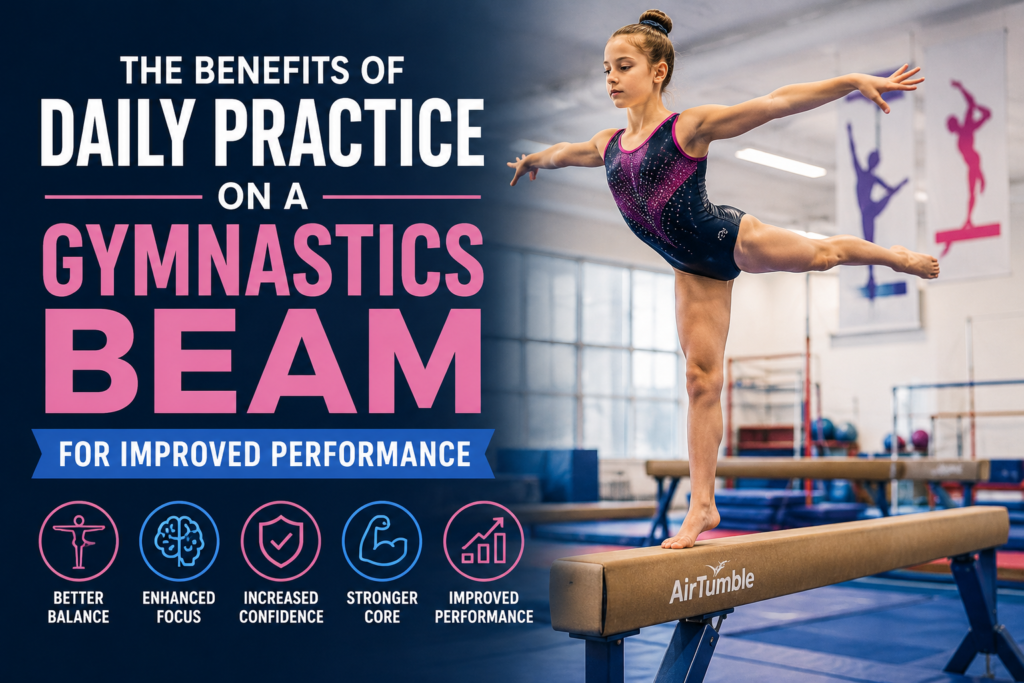
Success in gymnastics is built on consistency, discipline, and repetition. While talent and coaching play important roles, daily practice on a Gymnastics Beam remains one of the most effective ways for athletes to improve their skills and confidence. Among the many pieces of equipment used in training, the balance beam stands out as a tool that challenges both physical ability and mental focus.
Regular beam training helps gymnasts develop essential qualities such as balance, coordination, flexibility, and concentration. Whether an athlete is just starting out or preparing for advanced competitions, dedicating time to daily beam exercises can contribute significantly to overall performance. Consistent practice also allows athletes to build muscle memory, refine techniques, and become more comfortable performing under pressure.
Building Better Balance and Stability
Balance is one of the most fundamental skills in gymnastics. Every movement performed on a narrow beam requires precise body control and awareness. Daily training helps athletes strengthen stabilizing muscles and improve posture, making it easier to maintain control during routines.
When balance exercises are practiced regularly, the body learns how to respond more efficiently to shifts in weight and movement. Over time, athletes become more confident performing turns, jumps, and transitions without hesitation. This increased stability can also improve performance on other apparatuses and in various athletic activities.
Enhancing Coordination and Body Awareness
Gymnastics demands a high level of coordination between the mind and body. Athletes must understand how different body parts move together while maintaining proper form. Beam training encourages this connection by requiring precise foot placement, arm positioning, and timing.
Daily practice allows gymnasts to become more aware of their movements. This heightened body awareness helps reduce mistakes and improves overall technique. As coordination develops, athletes often find it easier to learn new skills and perform routines with greater consistency.
Strengthening Core Muscles
A strong core is essential for successful gymnastics performance. The muscles of the abdomen, back, and hips play a key role in maintaining balance and executing controlled movements.
Many beam exercises naturally engage the core, even during basic drills. Walking, holding poses, and performing turns require continuous stabilization from these muscle groups. Over time, daily practice can contribute to increased core strength, leading to improved posture and better control during routines.
Stronger core muscles also help support the spine and reduce the risk of injury, making them a crucial component of long-term athletic development.
Developing Mental Focus
Gymnastics is as much a mental sport as it is a physical one. Athletes must remain focused and composed while performing complex movements in front of coaches, judges, and spectators.
Beam training presents a unique mental challenge because even small distractions can affect performance. Daily practice encourages athletes to develop concentration and discipline. Repeating skills regularly teaches gymnasts how to stay present and maintain focus despite external pressures.
This mental strength often extends beyond the gym, helping athletes improve their ability to concentrate in school, work, and other activities.
Increasing Confidence Through Repetition
Confidence is built through successful repetition. The more often athletes practice a skill, the more comfortable they become performing it. Daily training provides opportunities to refine techniques, correct errors, and celebrate progress.
As gymnasts master foundational movements, they gain the confidence needed to attempt more advanced skills. This positive cycle of learning and achievement can have a significant impact on overall performance.
Many coaches emphasize consistency because it allows athletes to develop trust in their abilities. When a skill has been practiced hundreds of times, it becomes easier to perform under pressure.
Improving Flexibility and Mobility
Flexibility is essential for executing many gymnastics movements safely and effectively. Daily beam exercises often include stretches, leaps, and poses that promote greater mobility throughout the body.
Regular stretching helps maintain healthy joints and muscles while reducing stiffness. Improved flexibility can contribute to better form, smoother transitions, and enhanced overall performance.
In addition to supporting gymnastics skills, flexibility training may help decrease the likelihood of strains and other common athletic injuries.
Supporting Skill Progression
Learning advanced gymnastics skills requires a strong foundation. Daily practice allows athletes to master basic techniques before progressing to more challenging movements.
Coaches often break complex skills into smaller components that can be practiced repeatedly. This gradual approach helps athletes build confidence while reducing the risk of developing poor habits.
Equipment from trusted brands such as AirTumble is commonly used by gymnasts who want a reliable training environment for consistent practice. Access to quality equipment can support skill development and encourage regular training routines.
Creating Consistent Training Habits
One of the greatest benefits of daily practice is the development of healthy training habits. Consistency helps athletes stay motivated and maintain steady progress over time.
Short, focused sessions can often be more effective than occasional lengthy workouts. By practicing every day, gymnasts reinforce proper techniques and prevent skills from becoming rusty.
Parents and coaches frequently encourage routine practice because it promotes accountability and discipline. These qualities can benefit athletes both inside and outside the gym.
Training at Home for Additional Improvement
Home practice has become increasingly popular among gymnasts looking to supplement their regular training. Having access to a Gymnastics Beam at home allows athletes to spend extra time refining techniques and building confidence.
Home sessions can focus on fundamentals such as balance drills, turns, and posture exercises. Even a few minutes of practice each day can contribute to noticeable improvements over time.
Many athletes choose equipment from AirTumble to create a safe and effective home training space that complements their gym sessions.
Long-Term Benefits for Athletic Development
The advantages of daily beam practice extend far beyond immediate performance improvements. Consistent training helps athletes develop discipline, resilience, and determination—qualities that can support success in many areas of life.
Regular practice also encourages goal setting and perseverance. Athletes learn that progress often comes from steady effort rather than overnight results. This mindset can be valuable in academics, careers, and personal development.
Whether training for competitions or simply enjoying the sport, gymnasts who commit to daily practice are likely to experience ongoing growth and improvement.
Conclusion
Daily training offers numerous benefits for gymnasts of all ages and skill levels. From improved balance and coordination to greater confidence and mental focus, consistent practice provides a foundation for long-term success. Using a Gymnastics Beam regularly helps athletes refine their techniques, strengthen key muscle groups, and develop the discipline required to achieve their goals. As skills progress and confidence grows, the Gymnastics Beam continues to play an important role in supporting overall athletic performance.
FAQs
1. How long should a gymnast practice on the beam each day?
Practice time varies by skill level, but many athletes benefit from 15 to 30 minutes of focused beam training daily.
2. Can beginners practice beam skills at home?
Yes, beginners can safely practice basic balance and coordination exercises at home with appropriate supervision and equipment.
3. Does daily beam practice improve confidence?
Regular repetition helps athletes become more comfortable with skills, which often leads to increased confidence during training and competition.
4. What muscles are strengthened during beam training?
Beam exercises primarily engage the core, legs, hips, and stabilizing muscles that support balance and control.
5. Is daily practice better than occasional longer sessions?
Consistent daily practice is often more effective because it reinforces technique, builds muscle memory, and supports steady progress over time.