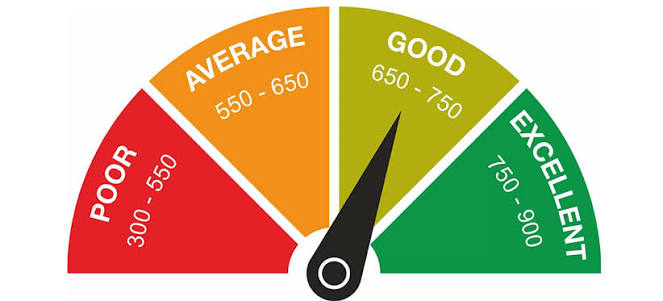
CIBIL Score and Report
Your CIBIL score and report play an important role in shaping your financial profile. Whether you are planning to apply for a home loan, personal loan, credit card, or any other form of credit, lenders often review both these elements before making a decision. While many people focus only on the score, the report provides a much deeper view of your credit history, repayment behaviour, and existing obligations. Therefore, understanding the difference between a score and a report can help you manage your finances more effectively. Today, borrowers can check CIBIL score for free through various authorised channels and check CIBIL online without much effort. Additionally, many individuals look for ways to calculate your CIBIL score and understand the factors influencing it. By regularly reviewing your credit profile and taking steps to improve credit score, you can strengthen your financial standing and make better borrowing decisions in the future.
CIBIL Score and Report – What Is the Difference?
Although often used together, a CIBIL score and a credit report are not the same.
CIBIL Score
A CIBIL score is a three-digit number that reflects your creditworthiness based on your credit history and repayment behaviour.
Credit Report
A credit report is a detailed document containing information about your credit accounts, repayment records, enquiries, and financial obligations.
The following table highlights the difference:
| Aspect | CIBIL Score | Credit Report |
|---|---|---|
| Format | Three-digit number | Detailed financial report |
| Purpose | Indicates creditworthiness | Provides complete credit history |
| Information Included | Credit rating | Loans, cards, enquiries, payment history |
| Usage | Quick assessment | Detailed evaluation |
Therefore, while the score provides a snapshot, the report offers a complete picture of your credit profile.
Why CIBIL Score and Report Matter
CIBIL score and report lenders often review both the score and report when assessing credit applications.
Some reasons they are important include:
- Help assess repayment behaviour
- Reflect financial discipline
- Highlight existing liabilities
- Show credit utilisation patterns
- Support credit eligibility assessment
As a result, maintaining a healthy credit profile can improve overall financial preparedness.
How to Check CIBIL Score for Free
Today, borrowers have multiple options to check CIBIL score for free through authorised digital platforms.
Typically, the process involves:
- Providing basic personal details
- Verifying identity through OTP authentication
- Accessing the score and report online
Regular monitoring allows borrowers to stay informed about changes in their credit profile and identify potential issues early.
Moreover, checking your own score generally does not negatively affect your credit standing.
Check CIBIL Online for Better Financial Awareness
The ability to check CIBIL online has made credit monitoring far more convenient.
When reviewing your report online, pay attention to:
- Active loan accounts
- Closed loan accounts
- Credit card balances
- Payment history
- Recent credit enquiries
- Personal information accuracy
Consequently, regular reviews can help you detect discrepancies and maintain an accurate credit record.
Can You Calculate Your CIBIL Score?
Many borrowers want to calculate your CIBIL score to understand how different financial actions affect their credit profile.
While the exact scoring methodology is proprietary, several factors commonly influence the score.
| Factor | Influence on Credit Score |
|---|---|
| Repayment History | High impact |
| Credit Utilisation | Significant impact |
| Length of Credit History | Moderate impact |
| Credit Mix | Moderate impact |
| Recent Credit Enquiries | Can affect score |
Although you may not calculate the exact score manually, understanding these factors can help you manage credit more effectively.
Common Information Included in a Credit Report
A credit report contains much more than a credit score.
Key sections generally include:
Personal Information
- Name
- Date of birth
- PAN details
- Contact information
Credit Accounts
- Loan accounts
- Credit card accounts
- Outstanding balances
- Account status
Repayment History
- EMI payments
- Delayed payments
- Overdue amounts
Credit Enquiries
- Recent loan applications
- Credit card enquiries
Reviewing these sections carefully can help identify inaccuracies that may affect your credit profile.
Practical Ways to Improve Credit Score
If your credit score needs improvement, consistent financial discipline can make a difference over time.
Pay Bills and EMIs on Time
Timely repayments remain one of the most important contributors to a healthy credit score.
Maintain Low Credit Utilisation
Avoid using a large percentage of your available credit limit.
Avoid Multiple Loan Applications
Too many credit enquiries within a short period may affect your score.
Review Your Credit Report Regularly
Regular monitoring helps identify and resolve errors quickly.
Retain Older Credit Accounts
Long-standing credit history can contribute positively to your overall profile.
These practices can gradually improve credit score and strengthen your borrowing profile.
Common Mistakes to Avoid
Many borrowers unknowingly damage their credit standing through avoidable mistakes.
Avoid:
- Missing EMI payments
- Delayed credit card bill payments
- High credit utilisation
- Ignoring report errors
- Applying for multiple loans simultaneously
By avoiding these issues, borrowers can maintain a healthier credit profile over time.
Summary
Understanding your CIBIL score and report is essential for effective financial planning and responsible borrowing. While the score provides a quick snapshot of creditworthiness, the report offers detailed insights into your credit history and repayment behaviour. By choosing to check CIBIL score for free, regularly check CIBIL online, and understand the factors that calculate your CIBIL score, you can gain better control over your financial profile. Additionally, adopting responsible credit habits can help improve credit score and strengthen your readiness for future borrowing opportunities.