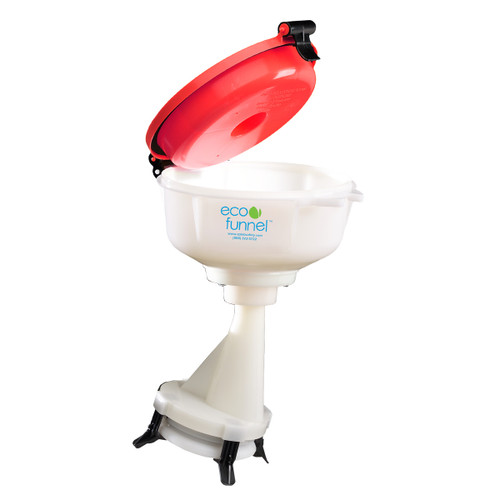
Autoclavable Funnels
Laboratories rely on precision, cleanliness, and safety in every process. Whether handling chemicals, transferring liquids, or preparing samples, having the right equipment is critical for maintaining efficiency and preventing contamination. Among the many tools used in modern laboratories, autoclavable funnels play an important role in ensuring safe and sterile liquid transfer.
Designed to withstand high temperatures and repeated sterilization cycles, these specialized funnels provide a practical solution for laboratories that require strict hygiene standards. From research facilities and educational institutions to pharmaceutical and biotechnology laboratories, high-quality lab funnels help streamline workflows while maintaining the integrity of samples and experiments.
What Are Autoclavable Funnels?
Autoclavable funnels are laboratory funnels specifically manufactured from materials that can endure the high temperatures and pressures generated during autoclaving. Autoclaving is one of the most effective sterilization methods used in laboratories, typically involving steam under pressure at temperatures exceeding 121°C.
Unlike standard funnels that may warp, crack, or degrade under extreme heat, autoclavable models retain their shape and functionality even after multiple sterilization cycles. This makes them ideal for environments where cleanliness and contamination control are critical.
Because of their durability and resistance to heat, these funnels are widely used for transferring liquids, chemicals, biological samples, and laboratory reagents.
Why Laboratory Funnels Are Important
Laboratory funnels are simple yet essential tools found in virtually every laboratory. Their primary purpose is to facilitate the transfer of liquids or fine materials into containers with narrow openings, reducing spills and improving accuracy.
Without reliable funnels, transferring liquids can become inefficient and potentially hazardous, especially when dealing with chemicals, solvents, or biological substances. Laboratory funnels help maintain a cleaner workspace while minimizing product loss and exposure risks.
In many scientific applications, contamination can compromise experimental results. This is why sterilizable and heat-resistant funnel options have become increasingly important for modern laboratories.
Key Features of Sterilizable Funnels
When selecting sterilizable funnels, laboratories should look for several important features that support safety, durability, and performance.
High Temperature Resistance
One of the most significant characteristics of sterilizable funnels is their ability to tolerate repeated exposure to elevated temperatures. This allows laboratories to sterilize equipment frequently without worrying about material degradation.
Chemical Compatibility
Laboratories often work with acids, solvents, reagents, and other potentially aggressive substances. High-quality funnels are designed to resist chemical corrosion, helping ensure long-term reliability.
Durable Construction
Repeated use and sterilization can place stress on laboratory equipment. Durable funnel materials maintain structural integrity and reduce the need for frequent replacements.
Smooth Surface Design
Smooth internal and external surfaces help prevent residue buildup, making cleaning easier and reducing the risk of contamination between uses.
Lightweight and Easy Handling
Many modern laboratory funnels are manufactured from advanced polymers that provide excellent strength while remaining lightweight and easy to handle.
Benefits of Heat-Resistant Funnels in Laboratories
The growing demand for heat-resistant funnels reflects the increasing emphasis on laboratory safety and efficiency. These funnels offer several advantages compared to conventional alternatives.
Enhanced Sterility
Heat-resistant funnels can undergo repeated sterilization cycles without damage. This helps laboratories maintain stringent hygiene standards and reduce contamination risks.
Longer Service Life
Because they are built to withstand thermal stress, heat-resistant funnels typically last longer than standard funnels. Their durability contributes to lower equipment replacement costs over time.
Improved Safety
When working with hot liquids or sterilization procedures, equipment failure can create safety hazards. Heat-resistant funnels reduce these risks by maintaining their structural stability under challenging conditions.
Consistent Performance
Reliable laboratory equipment supports consistent results. Heat-resistant funnels continue to perform effectively even after repeated exposure to extreme temperatures.
Common Applications of Lab Funnels
Lab funnels are versatile tools used across a wide range of scientific and industrial environments.
Pharmaceutical Laboratories
Pharmaceutical facilities require strict cleanliness standards during formulation, testing, and manufacturing processes. Sterilizable funnels help maintain product integrity while supporting regulatory compliance.
Biotechnology Research
Biotechnology laboratories frequently handle sensitive biological samples. Autoclavable funnels assist in preventing contamination and preserving sample quality.
Chemical Laboratories
Chemical research often involves transferring hazardous liquids and reagents. Durable laboratory funnels help improve handling accuracy while minimizing spills.
Educational Institutions
Universities, colleges, and research schools rely on laboratory funnels for demonstrations, experiments, and student training activities.
Environmental Testing Facilities
Environmental laboratories use funnels during water analysis, sample preparation, and filtration procedures where cleanliness and accuracy are essential.
Choosing the Right Laboratory Funnels
Selecting suitable laboratory funnels depends on the specific needs of the laboratory and the materials being handled.
Consider Material Quality
Look for funnels made from high-performance materials that can withstand heat, chemicals, and repeated sterilization.
Evaluate Temperature Requirements
If the funnel will be exposed to autoclaving or high-temperature processes, ensure it is specifically designed for those conditions.
Match Funnel Size to Application
Different laboratory tasks require different funnel sizes. Choosing the appropriate size improves efficiency and reduces waste.
Verify Chemical Resistance
Ensure the funnel material is compatible with the chemicals commonly used in your laboratory environment.
Prioritize Ease of Cleaning
Funnels with smooth, non-porous surfaces are easier to clean and sterilize, supporting better laboratory hygiene.
Maintaining Sterilizable Funnels for Long-Term Performance
Proper maintenance can significantly extend the lifespan of sterilizable funnels.
Regular inspection helps identify signs of wear, cracking, or discoloration. Cleaning funnels immediately after use prevents residue accumulation and simplifies sterilization. Following manufacturer guidelines for autoclaving temperatures and cycles also helps preserve material integrity.
Storing funnels in clean, protected environments further reduces contamination risks and extends their usability.