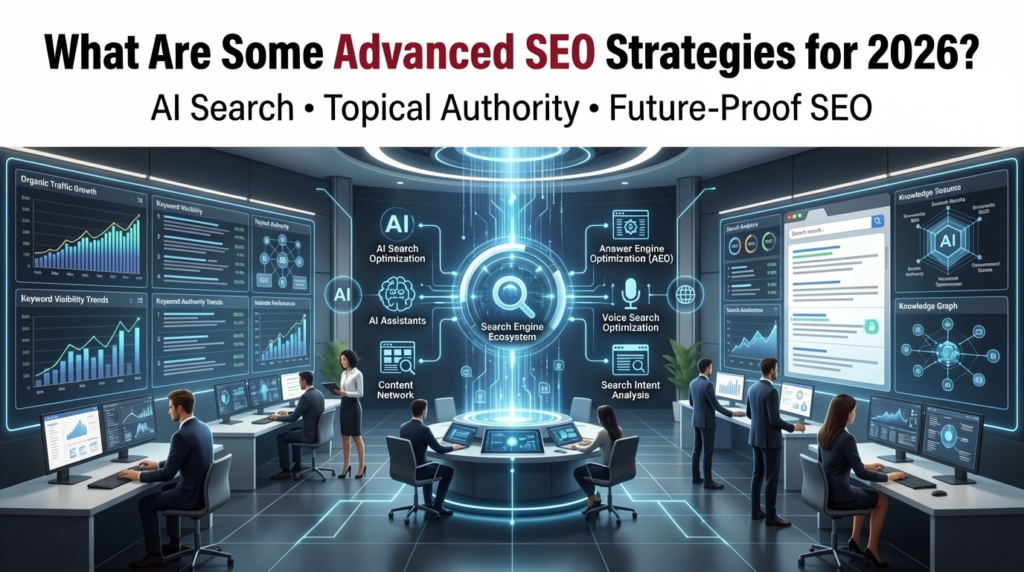
Search engine optimization continues to evolve at a remarkable pace. Businesses that want to remain visible in an increasingly competitive digital landscape must move beyond traditional tactics and embrace modern optimization techniques. A professional search engine optimization service can help organizations adapt to these changes by implementing strategies that align with the latest search technologies, user behaviors, and artificial intelligence advancements.
As search engines become more sophisticated and AI-powered search experiences continue gaining popularity, SEO in 2026 is no longer just about rankings. It is about building authority, creating exceptional user experiences, establishing trust, and ensuring visibility across multiple discovery platforms. Businesses that understand these shifts will be better positioned to attract qualified traffic, generate leads, and achieve long-term growth.
The Evolution of SEO in 2026
SEO has transformed significantly over the last few years.
Search engines now rely heavily on artificial intelligence, machine learning, semantic understanding, and user behavior signals to determine which content deserves visibility. Traditional ranking factors still matter, but modern algorithms increasingly focus on context, expertise, trustworthiness, and overall user satisfaction.
Today’s SEO professionals must optimize not only for search engines but also for AI-driven answer engines, voice assistants, conversational search tools, and emerging digital discovery platforms.
Organizations that continue relying solely on outdated SEO practices risk losing visibility to competitors that embrace modern optimization strategies.
Building Topical Authority Instead of Chasing Keywords
One of the most effective SEO strategies for 2026 is focusing on topical authority.
Search engines increasingly reward websites that demonstrate comprehensive expertise across entire subject areas rather than isolated keywords.
Instead of publishing dozens of unrelated articles, businesses should create content ecosystems that thoroughly cover their industry topics.
A strong topical authority strategy includes:
- Comprehensive pillar pages
- Supporting content clusters
- Internal linking structures
- Industry-specific resources
- Expert insights
- Frequently updated content
When search engines recognize a website as an authoritative source on a particular topic, rankings often improve across multiple related searches.
Optimizing for AI-Powered Search Results
Artificial intelligence is reshaping how people discover information online.
Modern search experiences increasingly provide AI-generated summaries, direct answers, and conversational responses.
To remain visible, businesses must optimize content for AI systems that extract and summarize information.
Effective AI optimization includes:
- Clear content structure
- Concise explanations
- Direct answers to common questions
- Well-organized headings
- Context-rich content
- Authoritative references
AI systems favor content that is easy to interpret, trustworthy, and highly relevant to user intent.
Businesses that adapt early can gain a significant competitive advantage.
Prioritizing Search Intent Over Keyword Density
Keyword stuffing became ineffective years ago, yet many websites still focus excessively on keyword repetition.
In 2026, understanding search intent is far more important than exact keyword frequency.
Search engines now analyze the purpose behind searches.
Common search intents include:
- Informational
- Navigational
- Commercial
- Transactional
Successful SEO strategies align content with the user’s actual needs.
For example, someone searching for “best CRM software” has a different intent than someone searching for “buy CRM software.”
Content that satisfies intent consistently outperforms content optimized solely around keywords.
Creating Experience-Driven Content
Search engines increasingly value content created through genuine experience and expertise.
Businesses should focus on producing content that demonstrates:
- Real-world knowledge
- Industry expertise
- Original research
- Case studies
- Practical insights
- Unique perspectives
Generic content generated without experience often struggles to compete against content that provides authentic value.
Experience-driven content helps establish credibility while improving user engagement.
Leveraging First-Party Data for SEO Success
Privacy regulations and changing consumer expectations have reduced reliance on third-party tracking methods.
As a result, first-party data has become increasingly valuable.
Businesses can use customer insights gathered from:
- Website interactions
- Email campaigns
- Customer surveys
- Purchase history
- Support inquiries
- User behavior analytics
This information helps organizations create more relevant content and improve overall SEO performance.
Understanding customer needs allows businesses to address specific questions and concerns more effectively.
Enhancing User Experience Signals
User experience remains a major ranking factor in modern SEO.
Search engines evaluate how visitors interact with websites.
Important experience signals include:
- Page loading speed
- Mobile responsiveness
- Navigation simplicity
- Content readability
- Accessibility
- Visual stability
- Security
Websites that provide positive experiences tend to achieve better engagement metrics and stronger search visibility.
Businesses should regularly audit their websites to identify and resolve user experience issues.
Implementing Advanced Internal Linking Strategies
Internal linking is often overlooked despite its significant SEO value.
A well-structured internal linking strategy helps:
- Distribute authority across pages
- Improve crawlability
- Guide users through content
- Strengthen topic relationships
- Increase page visibility
Rather than linking randomly, businesses should create logical content pathways that support both user journeys and search engine understanding.
Strong internal linking contributes to improved rankings and greater topical authority.
Optimizing for Voice and Conversational Search
Voice search continues growing as consumers increasingly use smart devices and digital assistants.
Voice queries tend to be:
- Longer
- More conversational
- Question-based
- Intent-focused
Businesses should optimize content for natural language patterns by answering common questions clearly and directly.
FAQ sections, conversational headings, and concise explanations often perform well for voice search optimization.
As conversational search technology advances, this strategy will become even more important.
Strengthening E-E-A-T Signals
Google continues emphasizing Experience, Expertise, Authoritativeness, and Trustworthiness (E-E-A-T).
Websites that demonstrate these qualities are more likely to earn visibility in competitive search results.
Businesses can strengthen E-E-A-T by:
- Showcasing expert authors
- Publishing original research
- Maintaining accurate information
- Highlighting credentials
- Securing reputable backlinks
- Building positive brand reputation
- Updating outdated content
Trust has become one of the most important competitive advantages in modern SEO.
Investing in High-Quality Backlink Acquisition
Backlinks remain an important ranking factor, but quality matters far more than quantity.
The most effective link-building strategies focus on earning links naturally through valuable content and industry relationships.
Strong backlink opportunities include:
- Industry publications
- Thought leadership content
- Guest blogging
- Original research
- Case studies
- Digital PR campaigns
- Partnership collaborations
Search engines increasingly recognize manipulative link-building tactics and prioritize genuine authority signals.
Optimizing for Entity-Based SEO
Search engines are becoming better at understanding entities rather than individual keywords.
An entity may represent:
- A person
- A company
- A product
- A location
- A concept
Businesses should focus on establishing clear entity relationships across their websites.
Strategies include:
- Consistent branding
- Structured data implementation
- Knowledge graph optimization
- Author profiles
- Comprehensive topic coverage
Entity optimization helps search engines better understand and trust a business.
Using Structured Data Strategically
Structured data helps search engines interpret website content more effectively.
Schema markup can improve visibility through enhanced search features such as:
- Rich snippets
- Review ratings
- FAQs
- Product information
- Event listings
- Organization details
Structured data increases the likelihood of attracting user attention within search results.
Businesses that implement schema correctly often achieve higher click-through rates.
Updating Existing Content Regularly
Publishing new content is valuable, but updating existing content often delivers faster SEO gains.
Search engines prefer fresh, accurate, and relevant information.
Regular content updates may include:
- Adding recent statistics
- Improving accuracy
- Expanding coverage
- Refreshing examples
- Enhancing visuals
- Addressing emerging trends
Content refresh strategies can significantly improve rankings without requiring entirely new content creation.
Building Brand Authority Beyond Google
SEO success in 2026 extends beyond traditional search engines.
Consumers increasingly discover brands through:
- AI platforms
- Social media
- Industry communities
- Podcasts
- Video platforms
- Professional networks
Businesses should focus on becoming recognized authorities across multiple digital channels.
Brand mentions, citations, and online reputation signals contribute to overall visibility.
The future of SEO belongs to brands that are consistently referenced, discussed, and trusted across the web.
Measuring What Truly Matters
Many businesses focus too heavily on rankings alone.
While rankings remain important, modern SEO measurement should include:
- Organic traffic growth
- Lead generation
- Conversion rates
- Revenue impact
- User engagement
- Brand visibility
- Customer acquisition
- Authority development
The ultimate goal of SEO is not simply attracting visitors but generating meaningful business outcomes.
Organizations that align SEO efforts with broader business objectives typically achieve stronger long-term results.
Conclusion
Advanced SEO in 2026 is centered on authority, trust, user experience, AI visibility, and strategic content development. Businesses that focus solely on traditional keyword rankings may struggle as search technology continues evolving. The most successful organizations are building topical authority, optimizing for AI-powered search experiences, improving user engagement, strengthening E-E-A-T signals, and creating content that genuinely serves user needs. As digital competition intensifies, SEO remains one of the most valuable long-term investments for sustainable online growth. For businesses seeking to improve search visibility, attract qualified traffic, strengthen brand authority, and adapt to the future of search, Vibrant Logics delivers innovative SEO strategies designed to help organizations achieve measurable results and maintain a competitive advantage in an ever-changing digital landscape.