PRP Hair Treatment Cost and Maintenance: What to Expect Post-Therapy
Hair loss is a growing concern among both men and women, leading many individuals to explore advanced hair restoration treatments. Among the most popular non-surgical options available today is PRP therapy, a procedure known for stimulating natural hair growth and strengthening weak hair follicles. While many patients focus on the initial procedure, understanding the long-term maintenance and ongoing PRP Hair Treatment Cost is equally important.
PRP therapy is not usually a one-time solution. Like many hair restoration treatments, it often requires follow-up sessions and proper aftercare to maintain visible results over time. Patients who understand the maintenance process can better plan their treatment journey, budget effectively, and maximize hair regrowth outcomes.
In this article, we will discuss post-therapy care, maintenance sessions, follow-up schedules, and how long-term upkeep affects the overall PRP Hair Treatment Cost.
What Is PRP Hair Treatment?
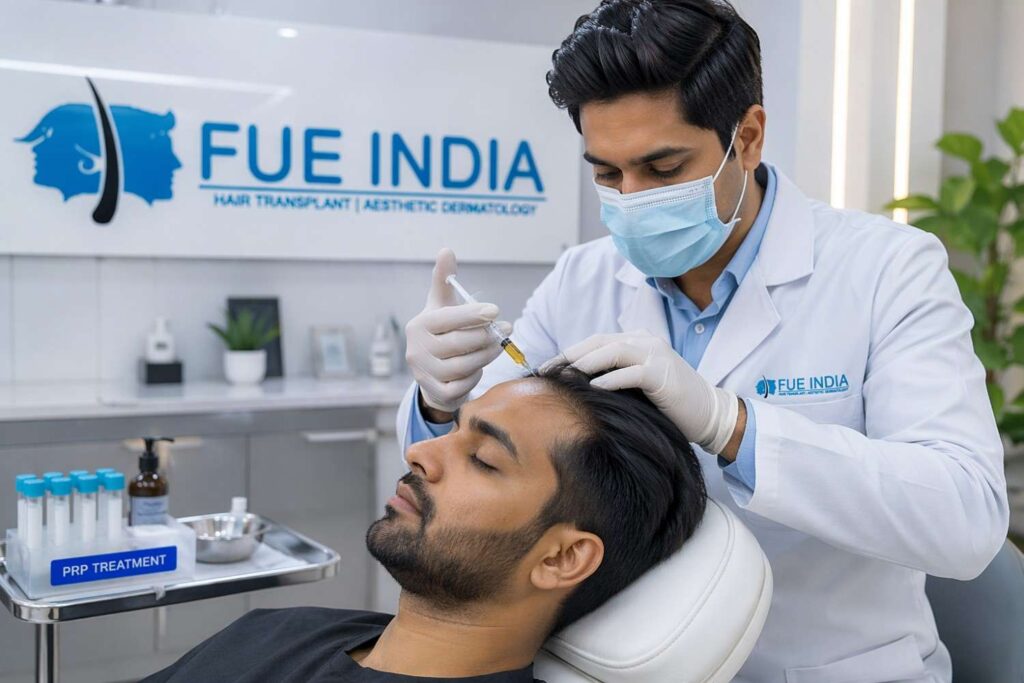
PRP stands for Platelet-Rich Plasma therapy. It is a non-surgical treatment that uses the patient’s own blood to stimulate hair follicles and improve scalp health.
The procedure involves:
- Drawing a small blood sample
- Processing the blood in a centrifuge machine
- Separating platelet-rich plasma
- Injecting the plasma into thinning areas of the scalp
The platelets contain growth factors that help repair damaged follicles, improve blood circulation, and support healthier hair growth.
PRP therapy is commonly recommended for:
- Early-stage hair thinning
- Weak hair follicles
- Hair shedding
- Stress-related hair loss
- Post-hair transplant recovery
Understanding PRP Hair Treatment Cost
The average PRP Hair Treatment Cost in India generally ranges between ₹3,000 and ₹15,000 per session depending on several factors such as:
- Clinic reputation
- Doctor expertise
- City location
- PRP technology used
- Number of sessions required
Most patients need:
- 3 to 6 initial sessions
- Regular maintenance sessions afterward
Although the initial treatment cost may seem manageable, maintenance plays a major role in the total long-term expense.
Why Maintenance Is Important After PRP Therapy
PRP therapy stimulates natural hair growth, but the results are not permanent without ongoing care.
Hair loss is often progressive, especially when caused by genetics or hormonal factors. Maintenance sessions help preserve the improvements achieved during the initial treatment phase.
Without proper follow-up care, patients may gradually experience:
- Renewed hair thinning
- Reduced hair density
- Increased hair fall
- Loss of previous treatment results
Regular maintenance helps extend the benefits of PRP therapy and supports long-term scalp health.
Typical PRP Maintenance Schedule
The exact maintenance schedule varies depending on the patient’s condition and response to treatment.
Initial Treatment Phase
Most specialists recommend:
- 3 to 6 sessions
- One session every 4 to 6 weeks
This phase focuses on stimulating follicles and reducing active hair loss.
Maintenance Phase
After the initial improvement, patients usually require:
- One maintenance session every 4 to 6 months
Some individuals with aggressive hair loss may need more frequent sessions.
The frequency of maintenance directly affects the overall PRP Hair Treatment Cost over time.
Factors That Influence Long-Term PRP Hair Treatment Cost
Several factors determine how much patients spend on PRP therapy in the long run.
1. Frequency of Maintenance Sessions
The biggest factor affecting ongoing costs is the number of maintenance treatments required annually.
For example:
- 2 sessions per year at ₹8,000 each = ₹16,000 annually
- 4 sessions per year at ₹10,000 each = ₹40,000 annually
Patients with more severe hair loss may need more frequent sessions to maintain results.
2. Clinic Location
Clinics in metro cities such as Mumbai, Delhi, Bangalore, and Hyderabad often charge higher fees due to:
- Advanced facilities
- Experienced specialists
- Higher operational costs
Smaller cities may offer lower pricing, but treatment quality should always remain the priority.
3. Technology Used
Advanced PRP technologies may improve treatment outcomes but also increase expenses.
Some clinics use:
- Activated PRP
- Growth Factor PRP
- Double-spin centrifuge systems
These advanced methods may provide higher platelet concentration and improved follicle stimulation.
4. Combination Therapies
Many clinics combine PRP with additional hair restoration treatments such as:
- Hair growth medications
- Laser therapy
- Mesotherapy
- Hair transplant support
These additional procedures can increase maintenance costs but may also improve overall hair growth results.
What to Expect After PRP Sessions
Understanding post-treatment care is essential for maintaining good results.
Immediate Aftercare
After PRP therapy, patients may experience:
- Mild redness
- Temporary swelling
- Slight scalp tenderness
These side effects usually disappear within 1 to 2 days.
Activities to Avoid
Doctors often recommend avoiding:
- Hair washing for 24 hours
- Heavy exercise for a day
- Smoking and alcohol
- Excessive sun exposure
Following aftercare instructions may improve treatment effectiveness.
How Long Do PRP Results Last?
Results vary from person to person depending on factors such as:
- Age
- Hair loss severity
- Genetics
- Lifestyle
- Consistency of maintenance sessions
Most patients begin noticing improvements after 3 to 4 sessions, including:
- Reduced hair shedding
- Better hair thickness
- Improved scalp condition
Without maintenance, results may gradually fade over time.
Tips to Maximize PRP Results Without Overspending
Managing long-term PRP Hair Treatment Cost wisely can help patients maintain results without unnecessary expenses.
1. Follow the Recommended Treatment Plan
Skipping maintenance sessions may reduce the effectiveness of the treatment and lead to faster hair thinning.
Consistency often produces better long-term outcomes.
2. Maintain a Healthy Lifestyle
Healthy habits can support hair growth naturally, including:
- Balanced nutrition
- Proper hydration
- Stress management
- Adequate sleep
Improved overall health may reduce the need for very frequent sessions.
3. Choose Experienced Specialists
While cheaper clinics may seem attractive, poor-quality treatment can lead to disappointing results and additional corrective expenses later.
Experienced specialists can customize treatment plans effectively.
4. Ask About Package Deals
Many clinics offer discounted maintenance packages that reduce the cost per session.
Package plans may make long-term treatment more affordable.
Is PRP Therapy Worth the Maintenance Cost?
For many individuals experiencing early hair thinning, PRP therapy can be a worthwhile investment because it offers:
- Non-surgical treatment
- Natural hair regrowth support
- Minimal downtime
- Improved scalp health
- Better hair density
However, patients should understand that maintenance is essential to preserve results.
Those expecting a permanent one-time solution may find hair transplant surgery more suitable for advanced baldness.
Final Thoughts
The long-term PRP Hair Treatment Cost depends heavily on maintenance frequency, clinic quality, treatment technology, and individual hair loss conditions.
While PRP therapy requires ongoing care, many patients consider the investment worthwhile because of the natural-looking results and non-surgical approach it offers. Proper follow-up sessions, healthy lifestyle habits, and expert guidance can significantly improve treatment outcomes and help maintain thicker, healthier hair over time.
Before beginning PRP therapy, consulting a qualified hair restoration specialist can help you understand the expected maintenance schedule and create a realistic long-term budget for your treatment journey.
FAQs
How often are PRP maintenance sessions needed?
Most patients require maintenance sessions every 4 to 6 months after the initial treatment phase.
Does maintenance increase PRP Hair Treatment Cost significantly?
Yes, long-term maintenance sessions can increase the total cost over time.
Can PRP results disappear without maintenance?
Yes, hair thinning may gradually return if maintenance sessions are stopped.
Is PRP maintenance painful?
Most patients experience only mild discomfort during injections, and numbing cream is often used.
Can PRP maintenance be combined with other treatments?
Yes, many specialists combine PRP with medications, laser therapy, or hair transplant support for improved results.