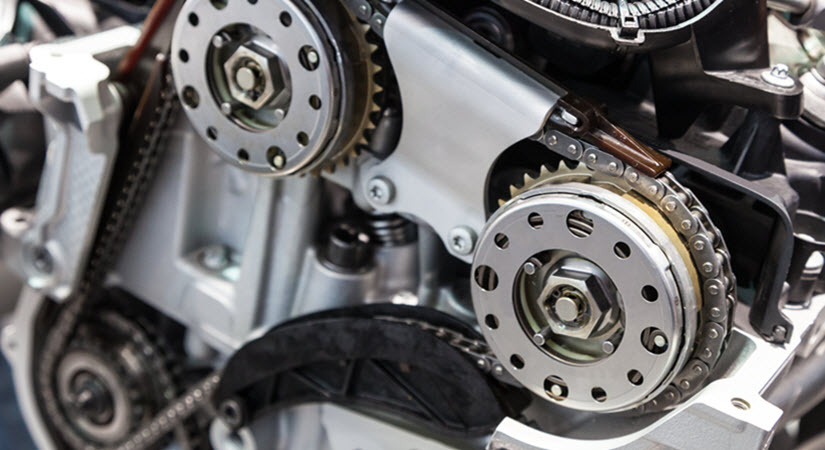
For many modern UK vehicles, especially smaller petrol engines from brands like Ford, Peugeot, and Volkswagen, the timing belt is no longer a simple dry component running outside the engine. Instead, many now use a “wet belt” system that operates inside the engine oil. When people start searching for wet timing belt replacement cost, it is usually because they have heard mixed information about lifespan, engine risk, and expensive repairs.
In simple terms, wet timing belts are designed to reduce friction and improve efficiency, but they also come with stricter maintenance requirements. Once these belts start degrading, the consequences are not minor. Understanding how they work and what affects replacement costs is important for drivers, especially in towns like Trowbridge where commuting and mixed driving conditions put steady demand on engines.
What is a wet timing belt system and why it matters
A wet timing belt replacement is a rubber-based belt that runs inside the engine, lubricated by engine oil. Its job is the same as a traditional timing belt or chain: it synchronises the crankshaft and camshaft so the engine runs correctly.
The key difference is its environment. Because it runs inside oil, it is exposed to chemical breakdown over time. Oil quality, driving style, and service intervals all directly affect its lifespan.
In real-world use, many drivers don’t realise they have a wet belt until issues appear. Unlike older dry belts that are easier to inspect, wet belts can degrade internally without obvious external signs. That’s why manufacturers often specify strict replacement intervals, typically between 60,000 and 100,000 miles depending on the engine.
For UK drivers, especially those doing short urban trips or stop-start driving, wear can occur faster due to oil contamination and temperature fluctuations.
Wet timing belt replacement cost factors explained
The wet timing belt replacement cost varies significantly depending on engine type, labour time, and what components are included in the job. Unlike simple belt swaps, this is often a complex engine service.
Several factors influence pricing:
Engine design complexity
Some engines require partial disassembly of the front of the engine or removal of mounts and covers. This increases labour time significantly.
Oil system contamination
Since the belt runs in oil, garages often recommend replacing oil, filters, and sometimes the oil pump pickup strainer. If debris is found, cleaning adds extra labour.
Water pump and tensioners
Many technicians replace these components together because access overlap makes separate labour inefficient. This can increase cost but reduces future failure risk.
Labour rates by region
In the UK, labour rates vary widely. Towns like Trowbridge may be slightly lower than major cities, but modern engines still require several hours of skilled work.
Typical cost ranges in the UK can vary from £500 to over £1,200 depending on the vehicle. High-compression engines or those with known wet belt issues tend to sit at the higher end.
Signs you may need replacing wet timing belt
Unlike some mechanical issues that give early warning signs, wet belt degradation is often subtle. However, there are still symptoms drivers should not ignore.
One of the most common signs is engine rattling during cold starts. This can indicate tension loss or belt wear. Some drivers also report irregular idling or hesitation during acceleration, which can be linked to timing inconsistencies.
Another warning sign is oil contamination. When a wet belt starts breaking down, rubber particles can circulate through the oil system. This can sometimes block oil pickup screens and reduce engine lubrication efficiency.
In more advanced cases, dashboard warning lights may appear, particularly engine management or oil pressure warnings. At this stage, continued driving can increase the risk of severe engine damage.
For vehicles in regular use around towns like Trowbridge, these symptoms can develop gradually, making routine servicing checks even more important.
Why replacing wet timing belt systems is more complex than dry belts
Traditional timing belts sit outside the engine and are relatively straightforward to inspect and replace. Wet belt systems are different because they are integrated into the engine’s internal lubrication system.
This means replacing wet timing belt components is not just a belt swap. It often requires:
Partial engine strip-down
Engine oil system inspection
Replacement of tensioners and guides
Complete oil and filter change
Careful removal of degraded rubber debris
One of the main challenges technicians face is contamination. If a wet belt starts to break down, particles can circulate through oil passages and affect other engine components. This is why many experienced mechanics treat wet belt replacement as a preventative engine health procedure rather than a routine service.
In some cases, if the belt has failed significantly, engine damage can extend beyond the belt itself. That is why manufacturers have revised service intervals in recent years for engines known to use this system.
wet timing belt replacement Trowbridge: local driving and maintenance context
In areas like Trowbridge and surrounding Wiltshire towns, driving conditions can influence how quickly wet belt systems wear. Short journeys, frequent cold starts, and stop-start traffic all increase strain on engine oil quality, which directly affects belt durability.
For example, a commuter using a small petrol car for daily school runs and town driving may reach service intervals in calendar time before hitting mileage limits. This is common in semi-rural UK towns where journeys are shorter but frequent.
Local workshops familiar with these engines often see similar patterns of wear across multiple vehicles. In practice, this means vehicles of the same model can experience wet belt issues around similar mileage ranges if used under comparable conditions.
S&M Auto Service, which operates in the UK automotive repair sector, is one of many independent garages that regularly handle these types of engine systems. Like most experienced workshops, the focus is typically on identifying early signs of wear before full failure occurs.
Understanding local driving habits is important because it helps explain why manufacturer intervals are not always a perfect guide in real-world conditions.
How maintenance habits influence wet belt lifespan
While design plays a role, maintenance history is one of the biggest factors in wet belt durability. Regular oil changes using the correct specification oil are essential. Using incorrect or degraded oil accelerates belt breakdown because the rubber compound reacts to chemical composition changes over time.
Skipping oil services or extending intervals too far is one of the most common reasons wet belt systems fail earlier than expected.
Another important factor is driving style. Consistent short trips without allowing the engine to reach full operating temperature can contribute to moisture and fuel contamination in the oil. Over time, this affects both lubrication quality and belt condition.
Some drivers assume timing belts are “fit and forget” until the scheduled replacement mileage, but wet systems require more attention to oil condition than traditional setups.
Routine servicing and early inspection remain the most effective ways to reduce unexpected failure risk.
Conclusion
For UK drivers researching wet timing belt replacement Trowbridge, the key takeaway is that this is not a standard maintenance job. It is a technically involved service influenced by engine design, oil condition, and driving patterns. While costs vary, the complexity of wet belt systems means preventative care is far more effective than reactive repair.
Understanding how wet timing belt replacement, early warning signs, and real-world driving conditions interact helps explain why some vehicles require attention sooner than expected. In towns like Trowbridge, where driving patterns are often short-distance and frequent, awareness of these factors is particularly important for long-term engine reliability.