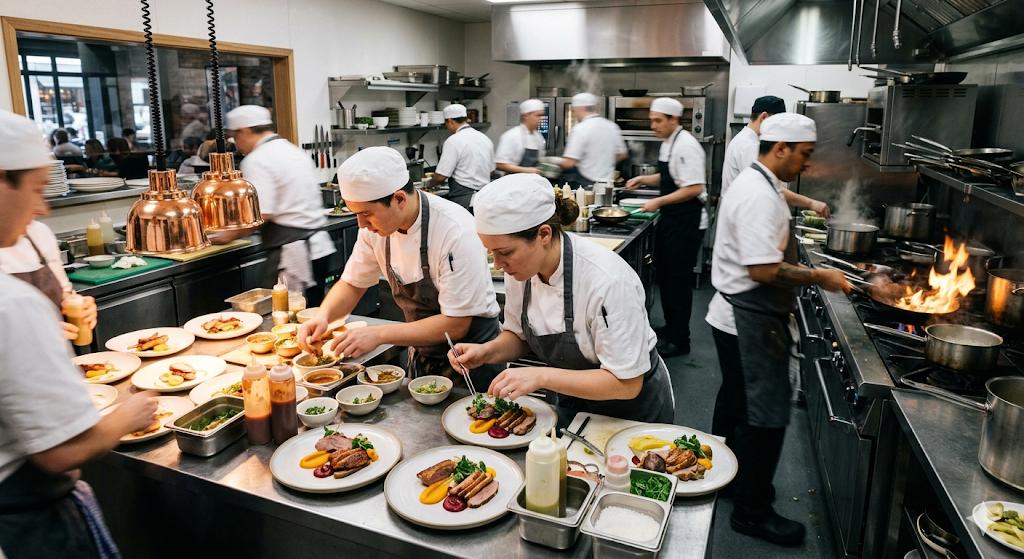
The restaurant industry has always been resilient. It survived recessions, a global pandemic, and a labor crisis that would have broken most other sectors, but the quiet revolution happening right now isn’t happening in the kitchen; it’s happening in the supply chain. And the operators who understand this are pulling ahead.
In 2026, distribution isn’t just logistics. It’s infrastructure, and for restaurants, delis, hotels, and cafés trying to scale, the quality of their distribution network is increasingly the difference between growing and grinding.
What Is Driving the New Foodservice Economy?
Several converging forces are reshaping how food service operators think about sourcing, scaling, and supply. It’s not one trend; it’s five happening simultaneously.
According to the National Restaurant Association’s 2026 State of the Restaurant Industry report, total restaurant industry sales are projected at $1.55 trillion, with operators citing supply chain reliability as a top-three operational priority for the third consecutive year. That’s a significant shift from five years ago, when most operators treated distribution as a back-office concern.
What changed?
- Menu complexity increased.Multi-daypart service, dietary customization, and seasonal programming have made the product range a competitive advantage, not just a convenience.
- Consumer expectations accelerated.Guests dining at a hotel café expect the same ingredient quality they’d find at a standalone restaurant. The bar has moved across every segment.
- Labor pressures didn’t disappear.Streamlined sourcing through full-line distributors directly reduces the administrative burden on already-stretched management teams.
- Margins tightened further.The food and labor costs now consume over 60% of revenue for most full-service operators, making efficient procurement more critical than ever.
The operators building durable businesses in this environment aren’t just great at cooking. They’re great at sourcing.
How Are Distribution Networks Enabling Menu Innovation?
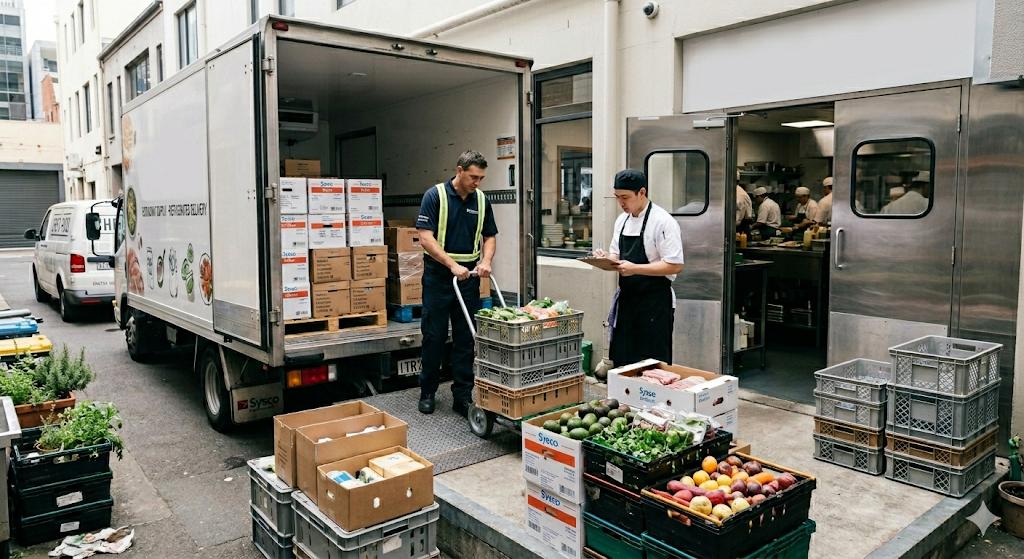
The best menus in 2026 aren’t built by chefs alone; they’re built by chefs working closely with their distribution partners. When a distributor carries a broad, consistent product line, operators gain the flexibility to experiment without the risk of sourcing instability.
Consider the shift in deli and sandwich programming. Wholesale lunch meat, once ordered in bulk on weekly cycles, is now being sourced with far more precision. Operators are working with wholesale meat suppliers to access a wider variety of cuts, preparations, and portion formats that allow menu differentiation without adding SKU complexity on the kitchen side.
The same dynamic is playing out in:
- Hotel food programs:Properties expanding from continental breakfast to full-day dining are leaning on single-source distributors to cover proteins, dairy, produce, and specialty items without juggling multiple vendor relationships.
- Café and bar concepts:Venues adding food programming to complement beverage revenue need reliable access to deli components, charcuterie items, and fresh ingredients that can be assembled with minimal labor.
- Healthcare and institutional dining:Hospitals and corporate cafeterias are increasingly requiring consistent, documented supply chains for compliance and menu planning purposes.
In each case, the distributor isn’t just filling an order. They’re enabling a business model.
What Does Operational Resilience Actually Look Like?
Resilience in food service doesn’t mean never running out of product. It means recovering fast when you do. The operators who weathered the supply disruptions of recent years best were those with strong distributor relationships and flexible sourcing structures.
Here’s what operationally resilient sourcing looks like in practice:
- Consolidated vendor relationships:Fewer distributors mean fewer points of failure. Operators who source proteins, dairy, produce, and dry goods through a single full-line partner have more leverage and better communication when disruptions occur.
- Regional proximity:Working with food distributors in New Jersey and across the broader metro region means shorter lead times, more responsive account management, and a distributor who understands local demand patterns. When a nor’easter shuts down interstate logistics, regional relationships hold.
- Flexible ordering structures:The best food service suppliers offer adaptable delivery schedules that can scale up during peak seasons and adjust during slower periods without penalty.
- Proactive account support:Operators shouldn’t learn about product shortages after they’ve run out. Strong distributor relationships include advance communication on availability issues and proactive substitution recommendations.
The difference between a restaurant that handles a supply disruption seamlessly and one that has to pull items from the menu mid-service often comes down to the distributor they called and how long they’ve been working together.
Why Does Regional Distribution Matter More Than Ever?
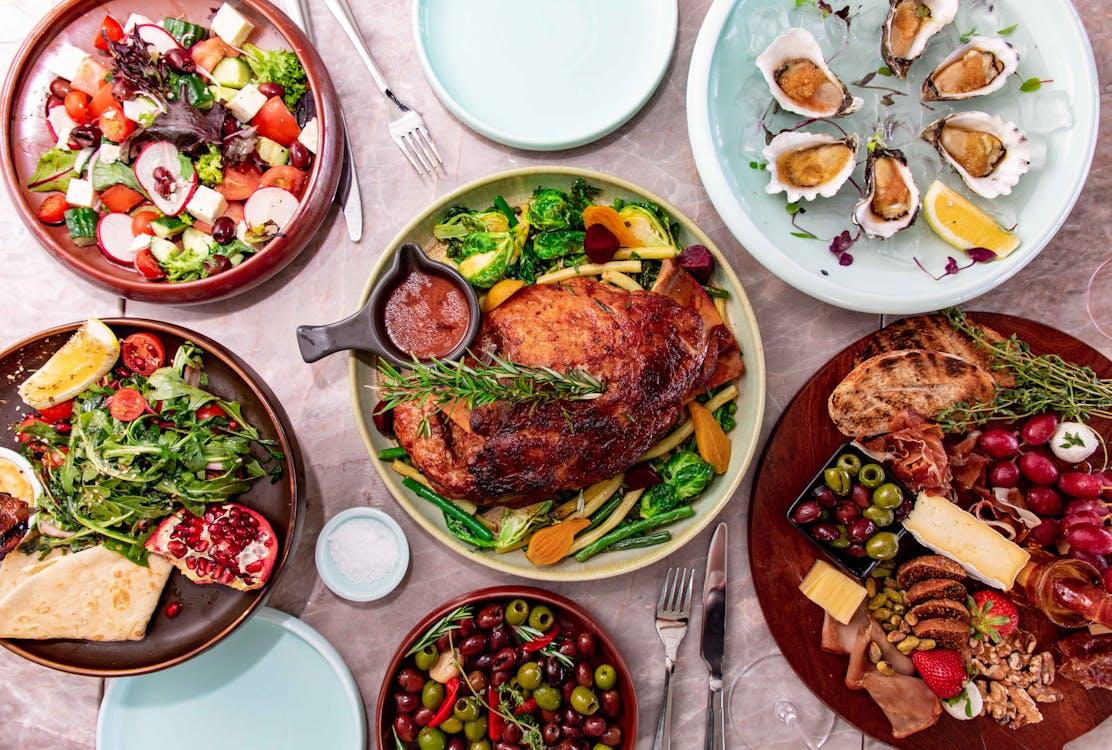
National broadline distributors offer scale. Regional distributors offer agility. For operators in competitive urban and suburban markets, agility frequently wins.
The Tri-State Area represents one of the most concentrated and demanding food service markets in the country. The density of restaurants, delis, pizzerias, hotels, cafés, and institutional food programs in this region creates a distribution environment where speed, product knowledge, and relationship quality matter enormously.
Regional food distributors embedded in this market understand its rhythms. They know when summer brunch demand surges in the Hamptons, when hotel food programs ramp up for convention season in Midtown, and when deli operators in North Jersey need faster replenishment cycles heading into the holidays.
That market intelligence doesn’t show up on an invoice, but it shows up in service. For growing operators, the question isn’t whether to use a regional distributor. It’s whether their current regional distributor is actually performing like one.
The Bottom Line
Distribution has always been essential to food service. What’s changed in 2026 is that operators are finally treating it that way. The restaurants, hotels, and food concepts that are scaling successfully aren’t doing it by outspending the competition. They’re doing it by outbuilding their supply chains.
The infrastructure behind a great restaurant is invisible when it’s working. When it isn’t, everyone notices.
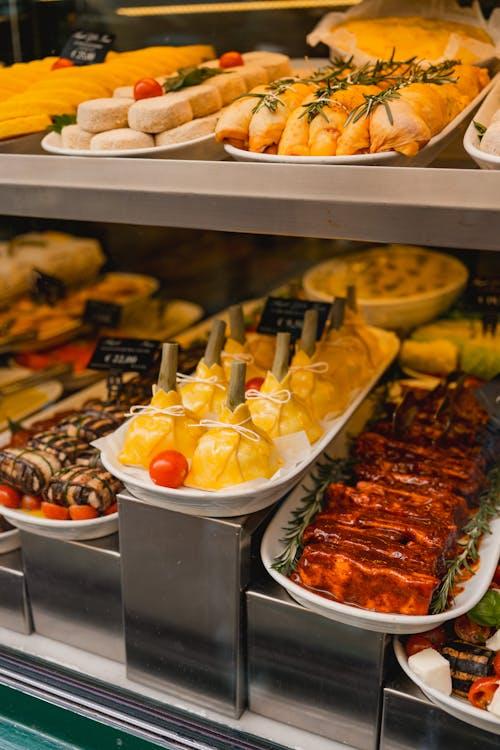
Power Your Kitchen with a Partner That Delivers
Serving restaurants, delis, cafés, pizzerias, bars, hotels, hospitals, and food service operations across the entire Tri-State Area, Apito Provisions Inc. is a full-line wholesale food distributor with the product range and regional expertise today’s operators demand.
From wholesale lunch meat and specialty proteins to fresh produce, dairy, and dry goods, their team works directly with kitchen operators to ensure product is available, consistent, and delivered on schedule, every time.
For food service operations looking to scale without the sourcing headaches, Apito Provisions Inc. offers the kind of distributor relationship that actually moves the needle. Contact Apito Provisions Inc. today and build the supply chain your growth deserves.
About the Author
The author is a foodservice industry consultant and trade writer with over 15 years of experience covering supply chain strategy, restaurant operations, and wholesale distribution across the Northeast. They regularly contribute thought leadership pieces to culinary and hospitality publications, with a focus on how independent and mid-size food service operators can build more resilient, scalable businesses.