Where Are Fibre Optic Connectors Used and How Do They Transform Connectivity?
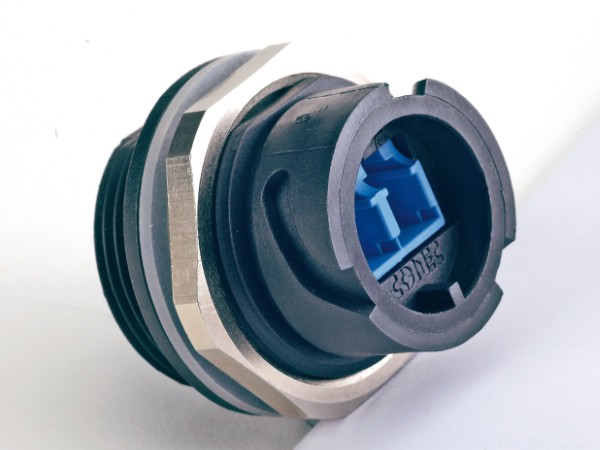
Fibre Optic Connectors
Introduction to Fibre Optic Connectors
Fibre Optic Connectors are critical components that link optical fibres to transmit light signals with precision. They ensure consistent signal flow, making them essential in high performance communication systems.
As industries move towards digital transformation, these connectors support faster data exchange, reduced downtime, and improved connectivity across complex networks.
The Role of Fibre Optic Connectors in Signal Transmission
These components play a key role in maintaining signal integrity. They ensure that light signals pass smoothly between fibre cables without significant loss or distortion.
Core transmission roles include:
- Aligning fibre cores to maximise signal efficiency
- Reducing insertion loss during connections
- Preventing signal reflection that can affect performance
- Enabling stable communication across long distances
This precision ensures reliable operation in both simple and advanced network systems.
Key Variants of Optical Connectors
Different environments require different connector types. Each variant is designed to meet specific technical demands.
APC Connectors
APC connectors are designed with angled end faces to minimise back reflection.
- Ideal for high performance networks
- Reduces signal interference
- Common in broadband systems
UPC Connectors
UPC connectors have ultra polished surfaces for improved signal transmission.
- Low insertion loss
- High reliability in data networks
- Suitable for telecom applications
Simplex and Duplex Connectors
These connectors differ based on the number of fibres they support.
- Simplex connectors handle single fibre transmission
- Duplex connectors allow simultaneous send and receive signals
- Widely used in communication equipment
Hybrid Connectors
Hybrid connectors allow connection between different connector types.
- Supports system compatibility
- Useful in upgrades and retrofitting
- Reduces the need for full system replacement
Benefits That Drive Adoption
These optical components offer performance advantages that make them essential in modern infrastructure.
- High bandwidth capability for large data volumes
- Faster communication speeds for real time applications
- Strong resistance to environmental interference
- Improved network security through optical transmission
- Long lifespan with minimal maintenance needs
These benefits support both current and future connectivity requirements.
Industries Powered by Fibre Optic Connectors
Fibre Optic Connectors are used in diverse industries where performance and reliability are critical.
Telecommunications and Internet Services
Communication providers depend on these solutions to deliver seamless connectivity.
- Enables high speed broadband services
- Supports expanding mobile networks
- Maintains consistent signal quality
Manufacturing and Automation
Industrial systems rely on optical connectivity for efficient communication between machines.
- Supports automated production lines
- Ensures reliable data transfer in noisy environments
- Enhances operational efficiency
Security and Surveillance Systems
Modern security systems use fibre based connections for uninterrupted monitoring.
- Supports high resolution video transmission
- Provides stable connections for surveillance networks
- Improves response time in critical situations
Education and Research Facilities
Institutions use advanced networking components to manage large data systems and research applications.
- Enables high speed data sharing
- Supports advanced computing environments
- Facilitates collaboration across networks
Selecting Suitable Fibre Optic Connectors
Choosing the right Fibre Optic Connectors requires evaluating system needs and operating conditions.
Important factors include:
- Fibre compatibility such as single mode or multimode
- Required connection type and interface
- Environmental conditions including dust and moisture
- Performance expectations such as speed and bandwidth
- Ease of installation and long term maintenance
Proper selection ensures optimal performance and reduces system issues.
Handling and Care
Maintaining these connectors is essential to preserve their efficiency and lifespan.
- Clean connectors regularly to prevent contamination
- Use protective covers when connectors are not in use
- Avoid direct contact with fibre ends
- Store cables properly to prevent damage
- Inspect connections to ensure consistent performance
These practices help maintain strong and reliable communication links.
Technological Progress in Fibre Optic Connectors
Advancements continue to improve performance and usability in this category.
- Development of connectors for ultra high speed networks
- Compact designs for space efficient installations
- Improved materials for enhanced durability
- Integration with smart and automated systems
These innovations are shaping the future of global connectivity.
Conclusion
Fibre Optic Connectors remain fundamental to modern communication systems, enabling fast, secure, and efficient data transmission. Their versatility and precision make them essential across industries. By understanding their features, applications, and benefits, organisations can build strong and future ready network infrastructures.