Summer is the worst time for an air conditioner to stop working. One moment your home feels comfortable, and the next, warm air starts blowing through the vents while indoor temperatures keep rising. In places like Las Vegas, where summer heat can become extreme, a broken AC system quickly turns into an urgent problem.
Many homeowners assume the entire unit has failed when their air conditioner suddenly shuts down. In reality, the issue could range from a simple thermostat setting to a more serious mechanical failure. Understanding the common reasons behind AC breakdowns can help you respond faster and avoid larger repair costs.
If your system is struggling during peak heat, professional ac services in las vegas can help diagnose the issue before it leads to complete system failure.
Dirty Air Filters Restrict Airflow
One of the most common reasons an air conditioner stops working is a clogged air filter. During summer, your system runs longer and works harder, which means filters collect dust, pet hair, and debris much faster.
When airflow becomes restricted, the AC system may overheat or freeze up. Frozen evaporator coils can stop cool air from circulating entirely. In some cases, the system may shut down automatically to prevent damage.
Signs of a dirty filter include:
- Weak airflow from vents
- Higher indoor humidity
- Uneven cooling
- Ice buildup around the indoor unit
- Increased energy bills
Replacing filters every one to three months during heavy use helps maintain proper airflow and system efficiency.
Thermostat Problems Can Shut the System Down
Sometimes the air conditioner itself is not the problem. The thermostat may be sending incorrect signals or failing to communicate with the HVAC system.
A thermostat issue may happen because of:
- Dead batteries
- Incorrect temperature settings
- Wiring problems
- Sensor malfunctions
- Outdated thermostat models
Before assuming the AC unit has failed, check whether the thermostat is set to cooling mode and the temperature is lower than the current room temperature.
Smart thermostats may also require software updates or Wi Fi reconnections after power outages.
Tripped Circuit Breakers During High Heat
Air conditioners consume more electricity during summer because they run for longer cycles. Electrical overloads can trip the circuit breaker and shut the system off unexpectedly.
If your AC suddenly stops operating completely, inspect your electrical panel for a tripped breaker. Resetting it may restore power temporarily, but repeated trips usually indicate a deeper issue such as:
- Compressor failure
- Electrical short circuits
- Overheating components
- Loose wiring
- Capacitor problems
Ignoring recurring electrical problems can create safety risks and lead to expensive repairs.
Low Refrigerant Levels Affect Cooling Performance
Refrigerant is essential for removing heat from your home. If refrigerant levels drop because of a leak, your air conditioner may lose its ability to cool properly.
Common signs of low refrigerant include:
- Warm air from vents
- Hissing sounds near the unit
- Frozen evaporator coils
- Longer cooling cycles
- Higher utility bills
Refrigerant does not naturally run out over time. Low levels almost always indicate a leak somewhere in the system. A licensed HVAC technician should inspect and repair the issue before recharging the refrigerant.
Outdoor Condenser Units Overheat
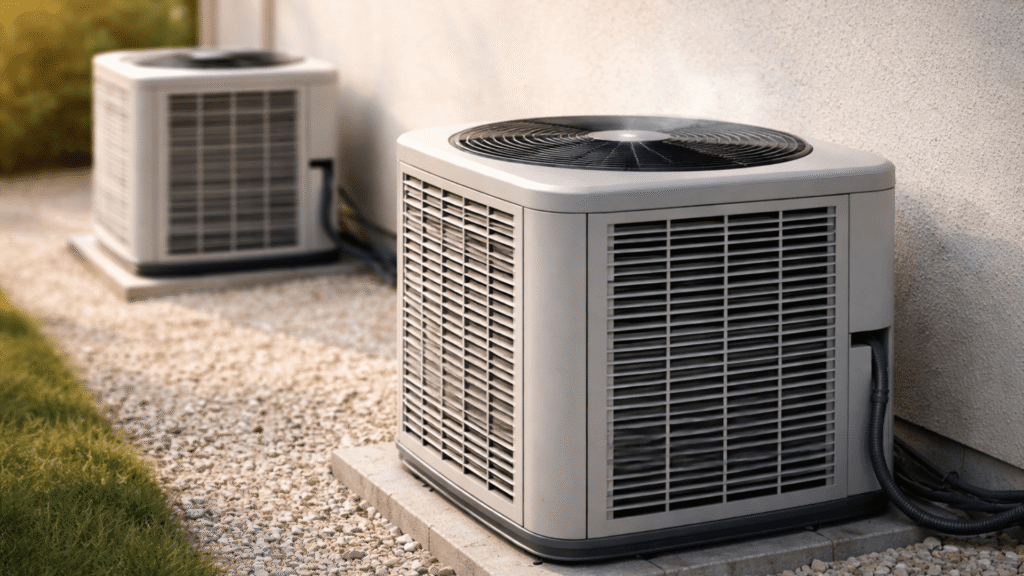
The outdoor condenser unit plays a critical role in releasing heat from your home. During summer, especially in hot climates, the condenser can overheat if airflow becomes restricted.
Common causes include:
- Dirt and debris around the unit
- Blocked condenser fins
- Poor ventilation
- Extreme outdoor temperatures
- Lack of maintenance
If the condenser overheats, the system may shut down automatically to protect internal components. Keeping at least two feet of clear space around the outdoor unit improves airflow and performance.
Frozen Evaporator Coils Stop Cooling
Frozen coils are another major reason AC systems stop working during summer. While it may seem strange for ice to form in hot weather, restricted airflow and refrigerant problems often cause indoor coils to freeze.
When coils freeze:
- Airflow decreases significantly
- Cooling performance drops
- Water leakage may occur
- The system may shut down entirely
Turning the system off and allowing the coils to thaw can help temporarily, but the underlying cause still needs professional attention.
Drain Line Clogs Trigger Safety Shutoffs
Air conditioners remove humidity from indoor air, producing condensation that drains through a condensate line. Over time, algae, dirt, and debris can clog the drain line.
Many modern systems include safety switches that shut the unit off if water begins backing up to prevent water damage inside the home.
Warning signs include:
- Water near the indoor unit
- Musty odors
- AC shutting off unexpectedly
- High indoor humidity
Routine maintenance helps keep drain lines clear and functioning properly.
Aging Components Fail Under Summer Stress
Older air conditioners often struggle during periods of extreme heat because internal components wear down over time.
Parts commonly affected include:
- Capacitors
- Compressors
- Fan motors
- Contactors
- Electrical relays
These parts may work normally during mild weather but fail once temperatures rise and the workload increases. If your system is over 10 to 15 years old and frequently breaking down, replacement may become more cost effective than ongoing repairs.
Lack of Preventive Maintenance
Many summer AC emergencies happen because systems go months or years without professional maintenance. Small problems often go unnoticed until the hottest days of the year place additional strain on the equipment.
Routine maintenance helps identify issues early, including:
- Refrigerant leaks
- Dirty coils
- Loose electrical connections
- Worn components
- Airflow restrictions
Seasonal inspections improve efficiency, extend system lifespan, and reduce the likelihood of sudden breakdowns during extreme heat.
How to Prevent Summer AC Breakdowns
Preventive care is the best way to reduce unexpected air conditioning problems. Homeowners can lower the risk of system failure by following a few simple steps:
Replace Air Filters Regularly
Clean filters improve airflow and reduce stress on the system.
Keep Outdoor Units Clear
Remove debris, leaves, and vegetation around the condenser.
Schedule Professional Maintenance
Annual inspections help catch problems before peak summer temperatures arrive.
Monitor Energy Bills
Sudden increases in utility costs may signal hidden AC issues.
Avoid Overworking the System
Setting the thermostat extremely low during heat waves forces the system to work harder than necessary.
When to Call an HVAC Professional
Some AC issues can be resolved with simple troubleshooting, but others require professional repair. If your air conditioner shows any of the following signs, it is best to contact a qualified HVAC technician:
- Burning smells
- Loud grinding or banging noises
- Warm air despite normal settings
- Frequent system cycling
- Ice buildup
- Water leaks
- Complete system shutdown
Delaying repairs can worsen damage and increase repair costs over time.
Final Thoughts
An air conditioner that suddenly stops working during summer is often caused by airflow problems, electrical issues, refrigerant leaks, overheating, or lack of maintenance. While some problems are minor, others can quickly damage important system components if ignored.
Understanding the warning signs helps homeowners respond faster and avoid extended discomfort during extreme heat. Regular maintenance, timely repairs, and proper system care remain the most effective ways to keep your air conditioner running reliably throughout the summer season.