Finding high-quality hay for sale is essential for farmers, ranchers, and livestock owners who want to maintain healthy animals and optimize feeding costs. Whether you are searching for hay bales for sale, timothy hay bales, or alfalfa hay, understanding hay types, pricing, and buying options can help you make smarter decisions.
This guide explores everything you need to know—from types of hay and bale sizes to current hay prices and how to buy hay online from trusted suppliers like Harris Hay Farm.
What Is Hay and Why It Matters
Hay is dried forage made from grasses or legumes, used as feed for livestock such as cows, horses, sheep, and goats. It is typically compacted into bales for easy storage and transportation.
Hay plays a critical role in animal nutrition by providing:
- Fiber for digestion
- Protein for growth and production
- Energy for daily activity
Different hay types offer different nutritional benefits, making it important to choose the right one based on your livestock needs.
Types of Hay Bales for Sale
Timothy Hay Bales
Timothy hay is one of the most popular choices, especially for horses.
- High fiber content
- Moderate protein levels
- Supports digestion and steady energy
It is widely considered premium horse hay and is ideal for maintaining overall health.
Alfalfa Hay Bales
Alfalfa hay (also known as lucerne) is nutrient-dense and rich in:
- Protein
- Calcium
- Energy
It is best suited for:
- Dairy cows
- Growing livestock
- Performance horses
Bermuda and Coastal Hay
Bermuda hay and Coastal Bermuda hay are popular grass hay options.
- Affordable
- Good fiber content
- Ideal for maintenance feeding
Mixed and Grass Hay
Mixed hay combines grasses and legumes, offering:
- Balanced nutrition
- Cost-effectiveness
- Versatility for multiple livestock types
Grass hay is often the most economical choice for general feeding.
Types of Hay Bale Sizes
Hay is available in different bale sizes depending on your needs:
Small Square Bales
- Weight: 40–75 lbs
- Easy to handle
- Ideal for small farms and horse owners
Large Square Bales
- Weight: 800–1500 lbs
- Efficient for bulk feeding
- Easier stacking and transport
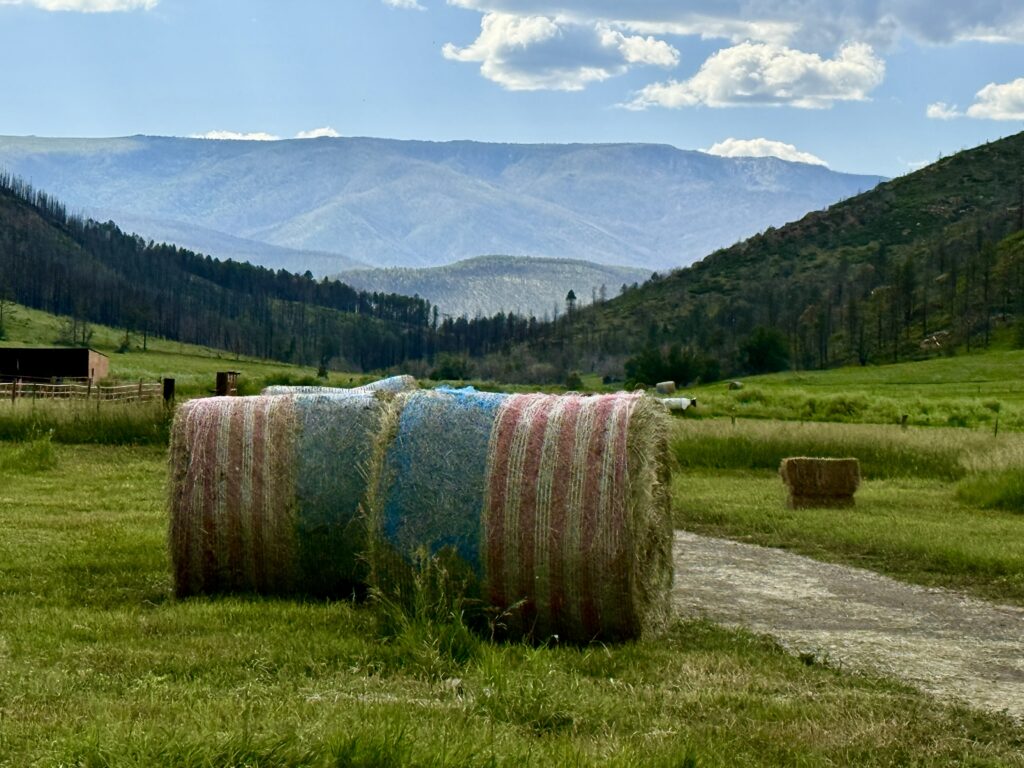
Large Round Bales
- Weight: 800–1200+ lbs
- Best for large livestock operations
- Cost-effective per pound
Hay for Different Livestock
Hay for Horses
Horses require high-quality, dust-free hay with good fiber.
- Timothy hay → Best overall choice
- Orchard grass → Good for picky eaters
- Alfalfa → For high-energy needs
Hay for Cows
Cattle need hay based on production goals:
- Alfalfa → Milk production and growth
- Timothy → Balanced nutrition
- Grass hay → Maintenance feeding
Premium Hay: What to Look For
When buying premium hay, quality is everything. Look for:
- Bright green color
- Fresh smell (no mold or dust)
- Soft, leafy texture
- Low moisture content
- Consistent bale density
High-quality hay ensures better digestion, reduced waste, and improved animal health.
Current Hay Prices (2026 Guide)
Hay prices vary depending on type, quality, and region. Here are average market rates:
Price Per Bale
- Small square bales: $8–$28
- Large square bales: $50–$160
- Round bales: $55–$120
Price Per Ton
- Alfalfa hay: $220–$330
- Timothy hay: $240–$340
- Grass hay: $140–$220
- Mixed hay: $160–$250
Prices fluctuate based on weather, supply, and demand.
Buying Hay Online vs Local Suppliers
Buy Hay Online
Online platforms like Harris Hay Farm allow you to:
- Compare prices easily
- Order in bulk
- Get delivery to your location
They often supply multiple types including timothy hay bales, alfalfa hay, and bermuda hay.
Local Hay Suppliers
Buying from local farms offers:
- Fresher hay
- Lower transportation costs
- Ability to inspect before purchase
For many farmers, combining both online and local sourcing works best.
Hay Price Factors You Should Know
Several factors affect current hay prices:
- Weather conditions (drought increases prices)
- Harvest quality
- Transportation costs
- Bale size and weight
- Supply and demand
Bulk buying often reduces costs significantly, with discounts for large orders.
Bulk Buying and Wholesale Hay
If you need large quantities:
- Buy by the ton for better pricing
- Consider full truckload shipments
- Look for long-term supplier contracts
Wholesale hay suppliers offer competitive rates, especially for large farms and commercial operations.
Tips for Buying the Best Hay
Before purchasing hay bales for sale, keep these tips in mind:
- Always inspect for mold or dust
- Choose the right type for your livestock
- Compare price per ton, not just per bale
- Store hay in dry, ventilated areas
- Buy early during peak seasons
Why Choose Harris Hay Farm
Harris Hay Farm is a trusted supplier offering:
- Multiple hay types (timothy, alfalfa, bermuda, oat)
- Various bale sizes
- International shipping options
- Over 20 years of farming experience
Their focus on quality and proper storage ensures you receive fresh, nutrient-rich hay.
Conclusion
Whether you’re searching for hay for cows, hay for horses, or premium hay bales for sale, understanding your options is key to making the right choice.
- Timothy hay → Best for balanced nutrition
- Alfalfa hay → High protein and energy
- Bermuda hay → Affordable maintenance feed
With current hay prices varying based on supply and demand, comparing options and buying from reliable hay suppliers—either locally or online—will help you get the best value.
Investing in high-quality hay ensures healthier livestock, better productivity, and long-term cost savings.