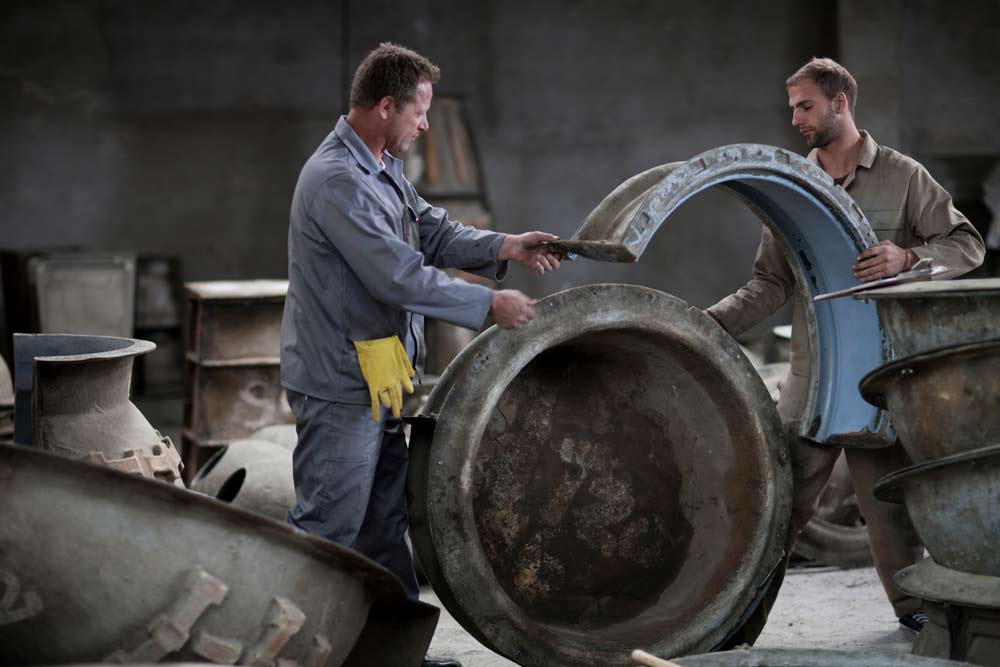
In today’s resource-conscious world, industries are under increasing pressure to reduce waste and operate more sustainably. One of the most effective ways to achieve this is through metal recycling. From construction and manufacturing to mining and automotive sectors, metals are essential—but so is managing their lifecycle responsibly. This is where Industrial Metal Recyclers play a crucial role, helping businesses recover valuable materials while reducing environmental impact.
The Role of Industrial Metal Recyclers
Industrial metal recyclers specialise in collecting, processing, and reintroducing scrap metal back into the production cycle. Unlike general recycling services, these professionals deal with large-scale operations involving ferrous and non-ferrous metals such as steel, aluminium, copper, and brass.
Their work begins with the collection of scrap materials from factories, construction sites, and industrial facilities. These materials are then sorted, cleaned, and processed using advanced equipment. Techniques such as shredding, melting, and refining ensure that recycled metals meet industry-grade standards and can be reused in manufacturing.
This process not only conserves natural resources but also reduces the need for mining, which is both costly and environmentally disruptive.
Environmental and Economic Benefits
One of the most compelling advantages of working with industrial recyclers is the environmental benefit. Recycling metals uses significantly less energy compared to producing new metals from raw ore. For instance, recycling aluminium can save up to 95% of the energy required for primary production. This leads to a substantial reduction in greenhouse gas emissions.
Additionally, recycling helps divert waste from landfills, reducing soil and water contamination. By choosing responsible recycling solutions, businesses can actively contribute to a cleaner and more sustainable environment.
From an economic perspective, metal recycling offers tangible financial benefits. Scrap metal has real market value, and businesses can generate revenue by selling their waste materials. Moreover, using recycled metals often costs less than sourcing virgin materials, helping companies lower production expenses.
Supporting Circular Economy Practices
The concept of a circular economy is gaining traction across Australia, and industrial metal recycling is at its core. Instead of the traditional “take, make, dispose” model, a circular approach focuses on reusing and repurposing materials for as long as possible.
Industrial recyclers enable this shift by transforming waste into valuable resources. Metals, unlike many other materials, can be recycled repeatedly without losing their properties. This makes them ideal for circular use, ensuring minimal waste and maximum efficiency.
Businesses that adopt these practices not only improve their sustainability credentials but also enhance their reputation among environmentally conscious clients and stakeholders.
Practical Applications Across Industries
Industrial metal recycling is widely used across multiple sectors. In construction, steel beams, pipes, and wiring can be recycled and reused in new projects. Manufacturing industries often rely on recycled metals to produce machinery, tools, and consumer goods.
The automotive sector is another major contributor, where old vehicles are dismantled and their metal components recycled. Even the mining industry, which extracts raw materials, benefits by recycling equipment and reducing operational waste.
By partnering with experienced recyclers, businesses can streamline their waste management processes while ensuring compliance with environmental regulations.
Choosing the Right Recycling Partner
Selecting a reliable recycling partner is essential for maximising benefits. Businesses should look for recyclers with proven expertise, proper certifications, and modern processing facilities. Transparency in pricing and adherence to environmental standards are also key factors to consider.
A good recycler will provide tailored solutions based on the specific needs of a business. This may include on-site collection, efficient logistics, and detailed reporting on recycled materials. These services not only save time but also improve overall operational efficiency.
Working with reputable [Industrial Metal Recyclers] ensures that materials are handled responsibly and that businesses achieve both environmental and financial gains.
Conclusion
Industrial metal recycling is more than just waste management—it is a vital component of sustainable industry. By recovering and reusing valuable metals, businesses can reduce costs, minimise environmental impact, and support a circular economy.
As Australia continues to prioritise sustainability, the role of industrial recyclers will only grow in importance. Companies that embrace these practices today are not only contributing to a greener future but also positioning themselves as leaders in responsible and efficient operations.