Recovery is not just about physical healing. It also involves emotional strength, mental adjustment, and learning how to return to daily life. Many people feel unsure, anxious, or even isolated after a stroke. This is where a Stroke Support Group Northern Virginia becomes a powerful source of encouragement and hope.
Understanding Life After a Stroke
A stroke can change life in many ways. Some people may have difficulty speaking, walking, or even performing simple daily tasks. Along with physical challenges, there is often a loss of confidence. Things that once felt easy may suddenly feel overwhelming.
It is common for survivors to feel frustrated or worried about their future. They may avoid social situations or hesitate to try new things. This emotional struggle can slow down recovery if not addressed properly.
A stroke support group helps individuals understand that these feelings are normal and that they are not alone in their journey.
The Power of Shared Experiences
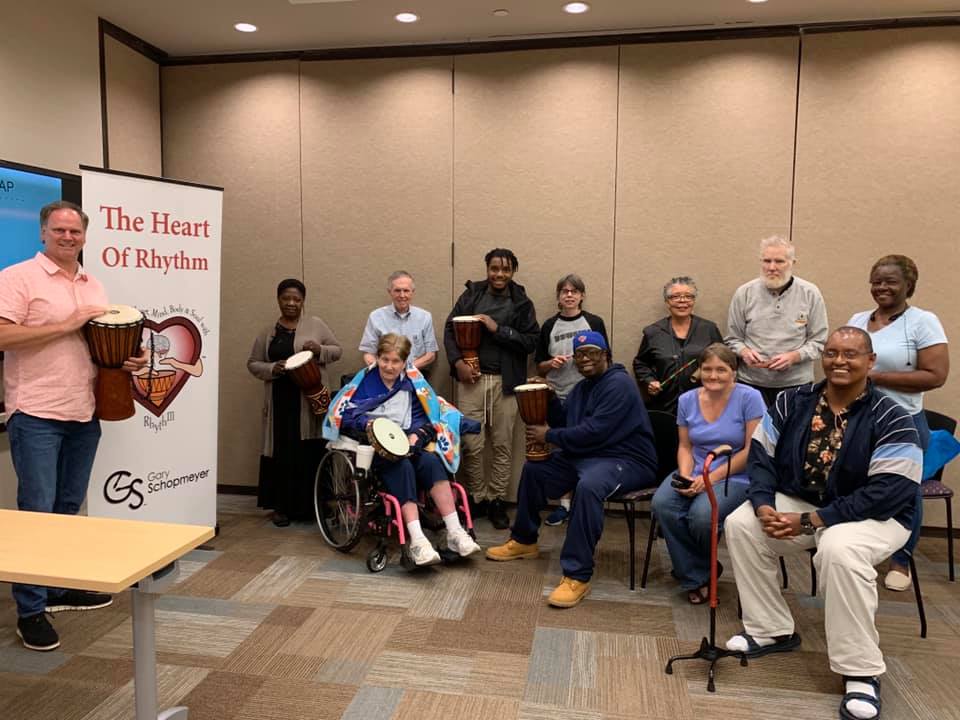
One of the biggest strengths of a stroke support group is the opportunity to connect with others who have had similar experiences. Talking to people who truly understand your situation can be comforting.
In these groups, members share their stories, challenges, and small victories. Hearing how others overcame similar problems can inspire confidence. It shows that recovery is possible, even if progress feels slow.
This shared understanding creates a sense of belonging. It replaces feelings of isolation with a sense of connection and support.
Building Emotional Strength Step by Step
Confidence does not return overnight. It grows slowly with time and support. A stroke support group offers a secure environment where people may share their emotions without worrying about being judged.
Members are encouraged to speak openly about their struggles. This helps reduce stress and emotional pressure. When people feel heard and understood, they begin to regain trust in themselves.
Support groups also offer encouragement during difficult moments. A few kind words from someone who has been through the same situation can make a big difference.
Learning Practical Skills for Daily Life
Recovery is not only emotional—it is also practical. Many stroke survivors need to relearn daily activities. A stroke support group often shares useful tips and techniques that make everyday tasks easier.
Members may discuss:
- Ways to improve communication
- Simple exercises for mobility
- Strategies for managing daily routines
These small pieces of advice can help individuals feel more capable and independent. As they start handling tasks on their own, their confidence naturally improves.
The Role of Brain Injury Vocational Programs
For many people, returning to work is a major step in recovery. It brings a sense of purpose and normalcy. However, this can feel challenging after a stroke.
Brain Injury Vocational Programs are designed to help individuals rebuild skills needed for employment. These programs focus on training, guidance, and support to help people return to the workplace.
When combined with a stroke support group, these programs create a strong support system. The group provides emotional encouragement, while vocational programs offer practical direction. Together, they help individuals feel ready to take on new responsibilities.
Encouragement Through Small Wins
Recovery often involves small steps. Walking a little further, speaking more clearly, or completing a task independently—these are all important achievements.
In a stroke support group, these small wins are celebrated. This positive reinforcement helps individuals see their progress, even if it feels slow.
Celebrating progress builds motivation. It reminds people they are moving forward, which over time boosts their confidence.
Reducing Fear and Anxiety
After a stroke, many people feel afraid of trying new things. They may worry about failure or embarrassment. This fear can hold them back from making progress.
A stroke support group helps reduce these fears by creating a supportive environment. Members encourage each other to try, even if the results are not perfect.
When individuals see others facing similar fears and overcoming them, it becomes easier to take that first step. Gradually, fear is replaced by confidence.
Support for Families and Caregivers
Recovery does not only affect the individual—it also impacts their family. As they support their loved ones, caregivers often face both physical and emotional challenges.
Many stroke support groups include family members in their sessions. This helps caregivers understand the recovery process better and learn how to provide support.
When families feel informed and supported, they can create a more positive home environment. This, in turn, helps the survivor feel more confident and secure.
Creating a Routine and Sense of Purpose
A structured routine is important during recovery. It brings stability and helps individuals stay focused on their goals.
Stroke support groups often encourage members to set small, realistic goals. These goals give a sense of direction and purpose.
At the same time, Brain Injury Vocational Programs help individuals explore new opportunities and rebuild their careers. Having something meaningful to work toward increases confidence and motivation.
A Safe Space to Grow
One of the most valuable aspects of a Stroke Support Group is the safe environment it provides. There is no pressure to be perfect. Everyone is at a different stage of recovery, and that is respected.
This safe space allows individuals to try, fail, and try again without fear. Over time, this freedom helps build self-belief.
Confidence grows when people feel accepted and supported, and that is exactly what these groups offer.
FAQs
- How does a stroke support group help confidence?
It provides encouragement, shared experiences, and emotional support.
- Can family members join a stroke support group?
Yes, many groups welcome caregivers and family members.
- What are Brain Injury Vocational Programs?
They help individuals regain skills needed to return to work.
- Is it normal to feel low after a stroke?
Yes, emotional challenges are common during recovery.
- How often should someone attend a stroke support group?
Regular attendance helps maintain motivation and progress.
- Do support groups really make a difference?
Yes, they improve emotional strength and boost confidence over time.