For independent musicians, filmmakers, and digital creators, the combination of visuals and sound can transform ordinary content into fully immersive experiences. Thoughtful integration of audio and visuals strengthens emotional engagement, enhances storytelling, and encourages audiences to connect more deeply. Platforms like Artramedia provide tools that help musicians and filmmakers distribute, monetize, and manage content that integrates these elements, allowing creators to maintain artistic control while reaching new audiences worldwide.
Audiences are drawn to content that stimulates multiple senses. Therefore, projects that skillfully merge visual and audio components tend to resonate longer, encouraging repeat views, shares, and fan loyalty. Independent creators who focus on this integration can differentiate themselves, even when competing against larger studios or mainstream content.
The Role of Visual Storytelling
Visual storytelling serves as the foundation for immersive experiences. Elements such as composition, cinematography, lighting, color grading, and visual pacing guide viewers’ attention and convey narrative and mood. Even subtle choices, like the placement of a subject within a frame or the pacing of cuts, can influence how audiences perceive a story.
For musicians producing music videos or visual albums, visuals enhance the meaning and emotional impact of the music. Carefully chosen imagery, lighting, and color schemes can complement lyrical themes or musical tones, creating a richer, more memorable experience for the audience. Similarly, filmmakers rely on visuals to communicate emotions, time, and place, often conveying more than dialogue alone can achieve. By combining these visual strategies with global distribution through Artramedia, creators can reach audiences worldwide and showcase their work as intended.
The Importance of Audio
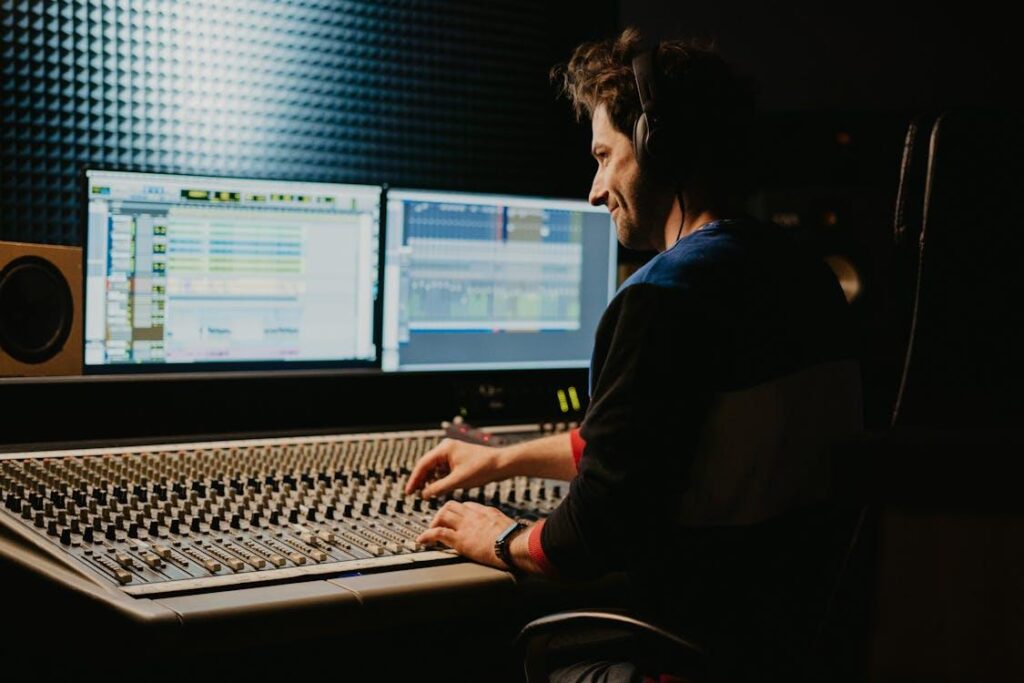
Audio plays an equally important role in immersive storytelling. Music, sound effects, dialogue, and ambient sounds contribute to mood, reinforce narrative cues, and make scenes feel more realistic. Effective sound design allows creators to manipulate audience emotions, guiding viewers’ responses in subtle but meaningful ways.
For musicians collaborating with filmmakers, audio becomes a central storytelling tool. Original compositions, layered soundscapes, or dynamic sound design can support visuals and enhance emotional impact. Independent creators using platforms like Artramedia can upload high-quality audio alongside video, ensuring audiences experience the work as intended. This holistic approach strengthens engagement and helps build a dedicated fanbase.
Techniques for Combining Audio and Visuals
Creating immersive content requires a balance between visual and audio elements. Overly loud or complex sound can distract from the visuals, while weak audio can make strong visuals feel flat. Successful creators employ techniques such as:
- Layered soundscapes: Combining multiple audio tracks, including ambient sounds, dialogue, and music, to add depth.
- Audio-driven pacing: Synchronizing cuts and transitions with music or sound cues to maintain rhythm.
- Motif-based pairing: Reinforcing recurring visual themes with consistent musical or sound cues.
- Dynamic range control: Adjusting volume levels carefully to ensure clarity without overpowering visuals.
By thoughtfully applying these techniques, independent creators can produce professional-quality projects that resonate with audiences and stand out on streaming platforms.
Collaboration Between Musicians and Filmmakers
Collaboration is a powerful way to enhance immersive storytelling. Musicians contribute original compositions or sound design, while filmmakers focus on crafting compelling visual narratives. When these talents intersect, the result is often more engaging than what either could achieve alone.
Platforms like Artramedia provide creator tools for monetizing video content online, making collaboration easier. Musicians and filmmakers can coordinate production, maintain ownership of their contributions, and monetize their work efficiently. Collaborative projects also allow creators to reach each other’s audiences, expanding visibility while preserving creative identity.
Distribution and Audience Engagement
Creating immersive content is only part of the challenge; effective distribution is equally important. High-quality streaming platforms ensure that both audio and visuals are delivered accurately to viewers. Ad-free or subscription-based services reduce distractions and preserve the integrity of the experience.
Analytics tools are also essential. Understanding how audiences interact with audio and visuals allows creators to refine future projects. Artramedia offers dashboards that track engagement, geographic reach, and viewing patterns. These insights enable independent musicians and filmmakers to make informed decisions about content development, marketing, and distribution strategies.
Benefits of Audio-Visual Integration
Merging audio and visuals offers several advantages for independent creators. It provides deeper audience engagement, helps establish a unique creative identity, and increases content shareability. Projects that are immersive are more likely to be remembered and revisited, strengthening fan loyalty.
For musicians, pairing visuals with music expands the reach of tracks or albums, creating more memorable performances and stories. For filmmakers, immersive audio-visual content enhances narrative clarity and emotional resonance. By leveraging platforms like Artramedia, creators can license, monetize, and distribute their projects globally while retaining creative control.
As a platform that supports and develops creator careers, Artramedia allows creators to access mentorship for early-stage digital content creators, use an analytics dashboard for digital content creators, and benefit from events for indie content creators and digital storytellers. With Artramedia, musicians and filmmakers can distribute projects globally, maintain creative control, collaborate, and build sustainable, long-term careers.
Reach out to them now.
About the Author
Avery M. Collins is a media strategist and creative consultant who works with independent musicians and filmmakers on audio-visual storytelling and audience engagement. She writes about techniques to create immersive content experiences.