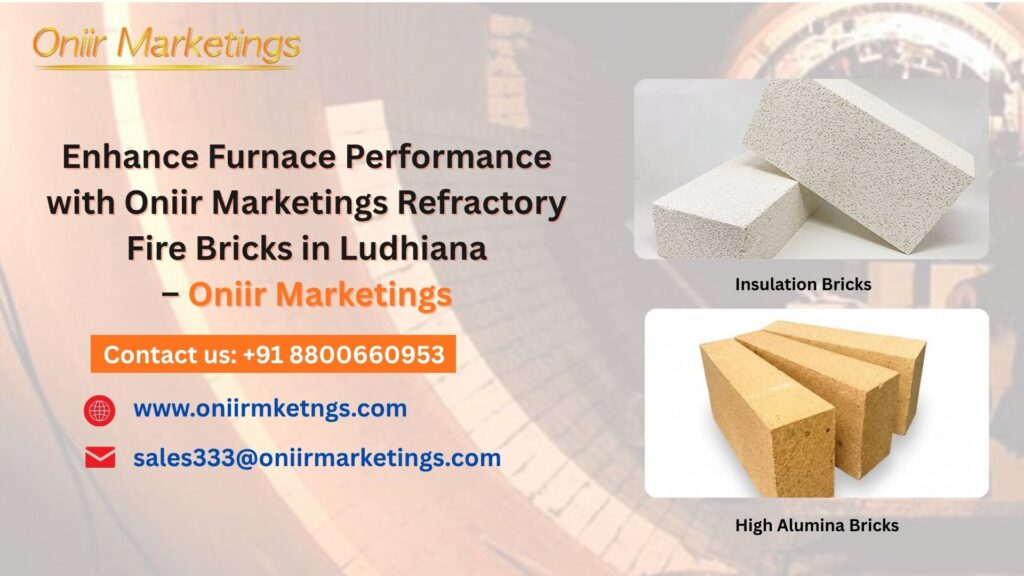
Understanding Refractory Fire Bricks
What Are Fire Bricks?
When we think of the name “fire bricks,” we could picture normal building bricks, but there is nothing similar about them at all. These bricks, known as refractory fire bricks, have been specifically created from ceramics for use in situations involving extreme heat, corrosive chemicals, and intense industrial conditions. While normal bricks become brittle or crumble due to exposure to high temperatures, these bricks will keep their form even at temperatures above 1000°C. In some cases, they may be able to tolerate up to 1800°C or more. The material these special refractory bricks are made from includes, among others, alumina, silica, and magnesia. The main purpose of these items is to endure high temperatures while also being able to retain heat, protect furnace walls, and keep it all safe. Thus, it can be said that they form the base of any heating process in the industry. Without the fire bricks, the steel, cement, and glass industries would simply fail. With the growth of industries in Punjab, the city of Ludhiana has seen an increase in demand for fire bricks. More and more enterprises are trying to use high-end refractories in order to maximize production efficiency. Such suppliers as Oniir Marketings offer reliable refractory solutions today.Why Refractory Bricks Are Essential in Industry
In industries, there are high operating temperatures that make refractory bricks a requirement for operations to continue. For instance, furnaces, kilns, and reactors reach temperatures exceeding 1200°C to 1600°C; hence, refractory materials become necessary. The absence of refractory fire bricks in a steel plant means heat loss will be extensive, thereby increasing fuel expenses and accelerating furnace degradation. Fire bricks protect the equipment from thermal effects and chemical corrosion. Besides, they help sustain uniform internal temperatures, which is essential for product quality. Energy efficiency is another significant benefit. Due to their low thermal conductivity, fire bricks retain heat and consume less energy during industrial activities. Therefore, companies can adopt sustainable industrial practices by cutting energy losses, thus saving operational expenses. Considering the growing competition in the business environment, companies in Punjab and Ludhiana need refractory fire bricks in Ludhiana to stay ahead of their competitors.Growing Demand for Fire Bricks in Ludhiana and Punjab
Industrial Growth in Punjab
Punjab is well known for being an industrially advanced state, with Ludhiana contributing significantly to Punjab’s industrial sector. Industries in Punjab have been making extensive use of machinery, which requires heating equipment at high temperatures. The expansion of the industry has seen a rise in demand for fire bricks in Punjab. With the emergence of small and medium-scale businesses in Punjab, there has been a greater need for improved machinery. There is currently a demand for high alumina bricks in Ludhiana and insulation bricks in Ludhiana for efficient industrial operations.Role of Oniir Marketings in Ludhiana
Oniir Marketings has become a well-known brand when it comes to supplying refractory fire bricks in Ludhiana. With their commitment to delivering quality and consistent services, they have become the go-to provider of refractory fire bricks in Punjab. Providing an array of refractory materials, they cater to the varying demands of industrial clients. What sets them apart is their ability to customize according to the unique demands of their clients. From high heat resistance to improved insulation, they deliver industry-standard products.Types of Refractory Fire Bricks Available
High Alumina Bricks in Ludhiana
The main characteristics of high alumina bricks include their excellent resistance to heat as well as mechanical strength. Being composed of 50 to 90 percent of alumina, high alumina bricks are capable of resisting temperatures from 1200°C to 1800°C. They find applications in steel manufacturing units, cement kilns, and glass furnaces. High alumina bricks are suitable for use in regions that are directly affected by the heat of the flame, along with being under extreme mechanical stress. Their properties, such as slag and chemical resistance, are the main reasons why these bricks have gained immense popularity among industries.Insulation Bricks in Ludhiana
The Insulating Fire Bricks or Lightweight Fire Bricks are made specifically to avoid heat dissipation. They are porous materials that conduct little heat, making them ideal for lining furnaces. The normal operating temperature of these bricks lies between 1100°C and 1760°C. These bricks are light and decrease the weight of the furnace structure, while also increasing its thermal efficiency. Companies wanting to cut down their fuel usage will prefer the use of these bricks in their furnaces, especially in Ludhiana.Fire Clay Bricks
Fire clay bricks constitute the most popularly used refractory bricks owing to the affordability and optimal performance that they offer. These bricks can withstand temperatures between 1400°C and 1750°C and are ideal for various applications such as furnace and boiler lining. These refractory bricks are characterized by high thermal shock resistance and good mechanical strength. These qualities make them a suitable choice for various applications in the industrial sector of Punjab.Technical Specifications of Fire Bricks
The performance of fire bricks also depends on their physical properties. Key specifications include:| Property | Typical Range |
| Bulk Density | 1.9 – 2.3 g/cm³ |
| Cold Crushing Strength | 20 – 40 MPa |
| Porosity | 20% – 28% |
| Alumina Content Temperature Resistance Range | 38% – 90% Up to 1600°C |
| Dimensions | Standard (230mm x115mm x75mm) and custom sizes (E/A & S/A 3×2, 3×1.5, 3×2) |
Key Features of Oniir Marketings’ Fire Bricks
- Resistance to High Temperatures: Specifically engineered to tolerate extremely high temperatures up to 1600 degrees Celsius and beyond, making them perfect for use in furnaces, kilns, and boilers.
- Good Insulation Properties: Low thermal conductivity reduces energy losses and increases efficiency in industrial processes.
- Mechanical Durability: Their high cold crushing strength ensures that they can handle heavy loads and survive in tough conditions.
- Chemical Stability: Highly resistant to slag, alkalis, and acids, ensuring durability even in hostile environments.
- Availability in Grades: Available in different grades, such as high alumina refractory bricks.
- Versatile Uses in Industries: Suitable for usage in steel mills, cement factories, glass furnaces, and boilers.
- Tailored to Specific Needs: Available in different shapes and sizes as per industrial needs.
Applications of Refractory Fire Bricks
- Used as furnace linings in industries to resist very high temperatures for efficient thermal performance
- Commonly used in the steel and metal industries in blast furnaces, ladles, and reheat furnaces
- Required in cement kilns, where constant exposure to high temperatures and chemicals takes place
- Commonly found in glass-making furnaces to retain a consistent temperature and avoid contamination
- Found in boilers and incinerators to help protect structures against high temperatures
- Used in ceramic kilns in firing pottery, tiles, and sanitary wares
- Found in power plants for lining furnaces
- Suitable for use in chimneys and fireplaces for their heat-resisting properties
- Found in petrochemical plants in reactors and other process vessels
- Used in the aluminum and non-ferrous metal industries in melting and refining processes
- Found in forge furnaces, where metals are heated up and shaped