Let’s be honest—running an automotive business today isn’t what it used to be.
A few years ago, word-of-mouth, referrals, and a good roadside location were enough to keep things moving. Now? Your next customer is probably sitting on their phone, comparing options, reading reviews, and deciding where to go—before they ever call you.
That’s where automotive digital marketing comes in. Not as a buzzword, but as a practical way to stay visible, relevant, and competitive.
Whether you’re running a dealership, managing a garage, or offering specialized repair services, your online presence is now your first impression. And in most cases, it’s your only shot.
So, What is Automotive Digital Marketing?
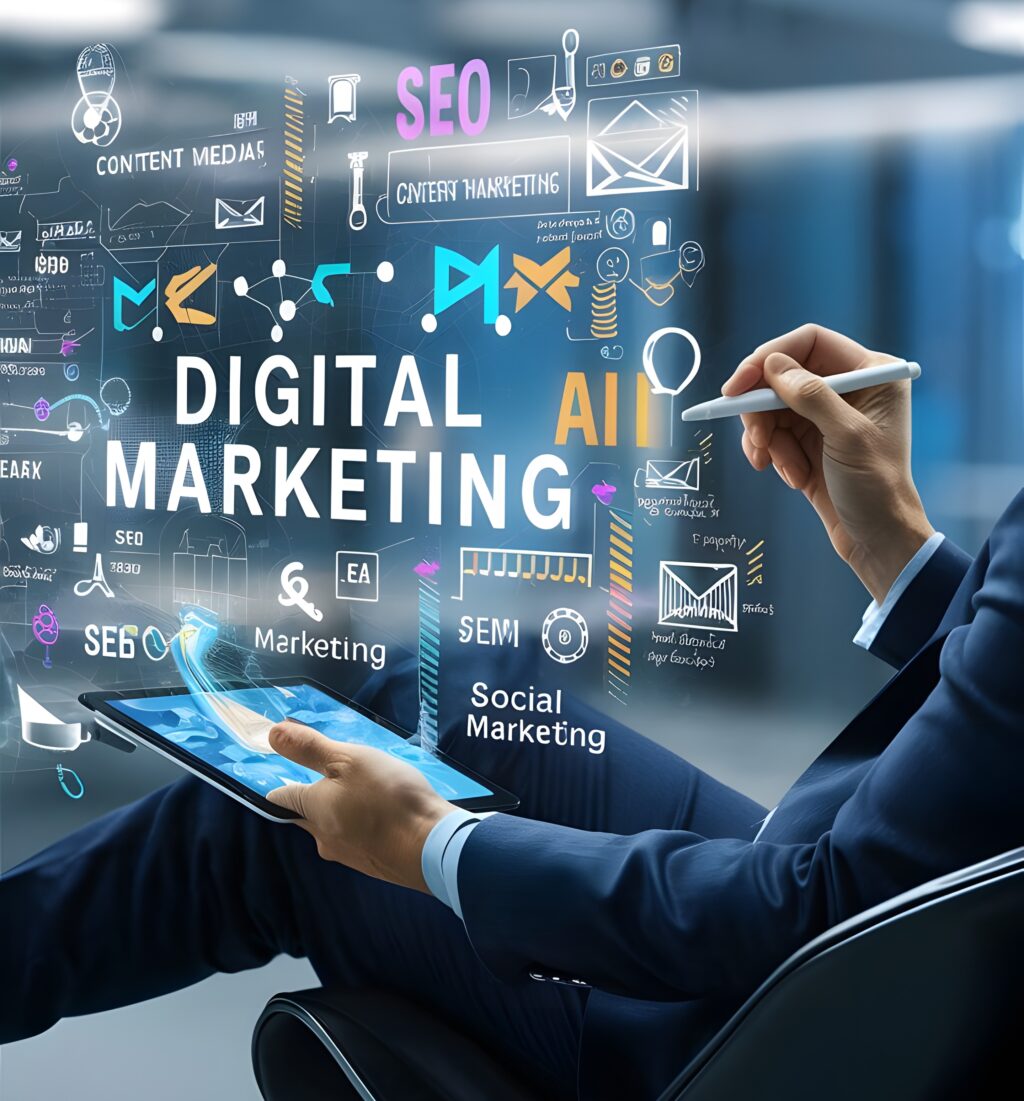
At its core, digital marketing for automotive businesses is about showing up where your customers are already looking—Google, social media, email, and even YouTube.
It’s not just about ads. It’s about:
- Being found when someone searches for your service
- Building trust before the first visit
- Staying connected with past customers
- Turning online interest into real bookings
Think of it as your digital showroom or service desk—open 24/7.
Why It Matters More Than Ever
Here’s the reality: people don’t “discover” auto businesses randomly anymore.
They search things like:
- “best car service near me”
- “affordable dent repair”
- “used cars under budget”
And they usually pick from the top few results.
If your business isn’t there, it’s not even in the conversation.
On top of that:
- Competition is growing fast
- Customers trust reviews more than ads
- Attention spans are short
Digital marketing helps you cut through that noise and get noticed.
The Core Pillars of Automotive Digital Marketing
Let’s break this down without jargon—just what actually works.
1. SEO (Search Engine Optimization)
SEO is what helps your business show up on Google when someone searches for your service.
For example, if you run a garage, you want to appear when someone searches:
“car repair near me” or “automotive services”
This doesn’t happen by luck. It involves:
- Using the right keywords
- Optimizing your website pages
- Keeping your business listings updated
- Getting genuine customer reviews
SEO takes time, but once it starts working, it brings consistent, free traffic.
2. Paid Ads
If SEO is slow and steady, paid ads are fast and direct.
With Google Ads or social media ads, you can:
- Show up instantly at the top of search results
- Promote offers like discounts or seasonal services
- Target specific locations and audiences
For example, a campaign like “Free Car Inspection This Week” can quickly bring in leads.
The key is not just running ads—but running the right ads with the right targeting.
3. Social Media
A lot of automotive businesses treat social media like a formality. Post a car photo, add a caption, done.
But when used properly, it’s a powerful trust-building tool.
What actually works:
- Before-and-after repair videos
- Short clips explaining common issues
- Real customer experiences
- Behind-the-scenes of your work
People like to see real work, not just polished ads.
4. Content Marketing
This is where most businesses miss out.
Instead of constantly trying to sell, you help.
For example:
- “5 signs your brake pads need replacement”
- “How often should you service your car?”
- “What to check before a long drive”
When someone finds helpful information on your website, they’re more likely to trust you—and eventually choose you.
That’s the long game of automotive digital marketing services.
5. Email & Follow-Ups
Most businesses focus only on getting new customers.
Smart ones focus on keeping them.
A simple email or message can:
- Remind customers about service due dates
- Offer discounts
- Bring them back for repeat visits
And repeat customers are always easier (and cheaper) than new ones.
6. Online Reviews
Before choosing any automotive service, people check reviews. Almost always.
A strong rating can win you business. A poor one can lose it instantly.
What helps:
- Asking happy customers to leave feedback
- Responding politely to negative reviews
- Keeping your Google profile active and updated
Think of reviews as your reputation—visible to everyone.
Automotive Digital Marketing for Repair Shops vs Dealerships
Not all strategies work the same for everyone.
For Auto Repair Shops:
- Local SEO is everything
- “Near me” searches matter most
- Trust and reviews drive decisions
For Dealerships:
- Visual content (cars, features, offers) works better
- Paid ads bring faster results
- Comparison-based content helps buyers decide
Understanding this difference is important when planning your strategy.
Should You Hire an Automotive Digital Marketing Agency?
This depends on your time, budget, and goals.
An automotive digital marketing agency can:
- Handle SEO and ads professionally
- Save you time
- Bring faster, measurable results
But not all agencies are equal.
If you’re considering one, look for:
- Real experience in the automotive industry
- Clear reporting (not vague promises)
- Practical strategies, not just jargon
If you prefer control, you can start small on your own and scale later.
What’s Changing in Automotive Digital Marketing?
The landscape keeps evolving. A few trends you should keep an eye on:
- Short-form videos are dominating attention
- Mobile-first experience is now standard
- Voice searches are increasing
- Personalized ads are performing better
- AI tools are improving targeting and automation
You don’t need to chase every trend—but you shouldn’t ignore them either.
Common Mistakes That Hold Businesses Back
Let’s keep this real—many automotive businesses struggle online not because digital marketing doesn’t work, but because of these mistakes:
- No proper website or outdated design
- Ignoring Google Business Profile
- Running ads without strategy
- Posting randomly on social media
- Not tracking results
Fixing even a few of these can make a noticeable difference.
Getting Started
If you’re starting from scratch, keep it simple:
- Set up or improve your website
- Optimize your Google Business listing
- Start collecting reviews
- Post useful content regularly
- Run small, targeted ad campaigns
- Track what’s working—and improve
You don’t need everything at once. Just start and stay consistent.
Final Thoughts
Automotive digital marketing isn’t about doing everything—it’s about doing the right things consistently.
Your customers are already online, searching, comparing, and deciding.
The real question is:
Will they find you, or your competitor?
If you focus on visibility, trust, and value, digital marketing won’t feel like an expense—it’ll become one of your strongest growth drivers.