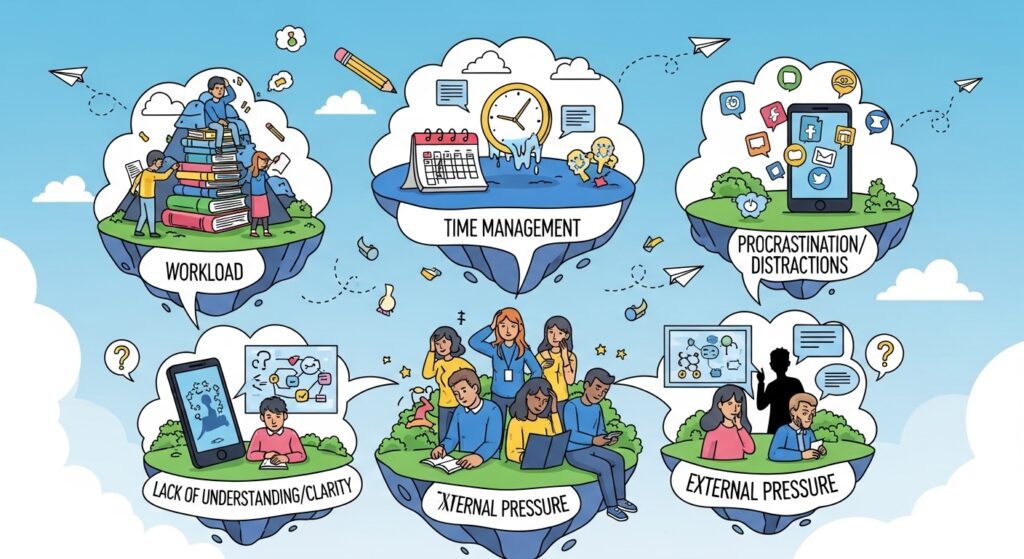
Academic life can be both exciting and overwhelming. While students enter universities with big dreams and ambitions, they often find themselves struggling to keep up with deadlines, assignments, and academic expectations. Missing deadlines is one of the most common challenges faced by students today, and it can significantly impact their grades, confidence, and overall academic performance.
At Xuzpost, in this blog, we will explore the real reasons why students struggle with deadlines and, more importantly, how they can effectively overcome these challenges.
Understanding the Root Causes of Deadline Struggles
Before solving any problem, it is essential to understand what causes it. Academic delays are rarely due to laziness alone. In most cases, there are deeper reasons behind missed deadlines.
1. Poor Time Management
Many students fail to plan their schedules effectively. Without a clear structure, tasks pile up quickly, leading to last-minute stress and incomplete submissions.
2. Lack of Clarity
Sometimes students do not fully understand the assignment requirements. This confusion leads to procrastination, as they are unsure where or how to begin.
3. Academic Pressure
Handling multiple subjects, part-time jobs, and personal responsibilities can become overwhelming. When pressure builds, students often freeze instead of taking action.
4. Procrastination Habits
Delaying tasks until the last moment is a common habit among students. Social media, entertainment, and distractions play a major role in this behaviour.
5. Fear of Failure
Some students delay starting assignments because they fear they will not perform well. This fear creates a mental block that leads to avoidance.
The Hidden Impact of Missing Deadlines
Missing deadlines is not just about losing marks. It has broader consequences that can affect a student’s academic journey.
- Lower grades and academic performance
- Increased stress and anxiety
- Loss of confidence
- Negative impression on instructors
- Reduced learning opportunities
Over time, these issues can create a cycle that becomes difficult to break.
Practical Strategies to Overcome Deadline Issues
The good news is that deadline struggles can be managed effectively with the right approach. Here are some proven strategies that can help students stay on track.
1. Create a Realistic Study Plan
Start by breaking down your assignments into smaller tasks. Allocate specific time slots for research, writing, editing, and proofreading. A well-structured plan makes large tasks feel manageable.
2. Use the “Start Small” Technique
Instead of waiting for motivation, begin with small steps. Even writing a single paragraph can build momentum and reduce procrastination.
3. Set Personal Deadlines
Do not rely solely on official deadlines. Set your own earlier deadlines to give yourself enough time for revisions and improvements.
4. Eliminate Distractions
Identify what distracts you the most and create a focused study environment. This could mean turning off notifications or using productivity tools.
5. Seek Guidance When Needed
If you are stuck, do not hesitate to ask for help. Whether it is from peers, tutors, or academic resources, getting support can save time and improve your work quality.
The Role of Professional Academic Support
Sometimes, despite your best efforts, managing everything alone becomes difficult. This is where professional academic assistance can make a difference.
Midway through your academic journey, you may realise that external support is not a shortcut but a smart strategy. Many students today rely on expert services to maintain consistency and meet high academic standards.
If you ever feel overwhelmed, seeking reliable university assignment writing help can provide the guidance you need to stay on track. Properly structured assistance can help you understand complex topics, improve your writing skills, and submit high-quality assignments on time.
Building Long-Term Academic Discipline
Overcoming deadline struggles is not just about completing one assignment—it is about building habits that last throughout your academic career.
1. Develop a Routine
Consistency is key. Set fixed study hours each day to create a disciplined routine.
2. Track Your Progress
Keep a record of completed tasks and upcoming deadlines. This helps you stay organised and motivated.
3. Reward Yourself
After completing tasks, give yourself small rewards. This creates positive reinforcement and encourages productivity.
4. Stay Mentally Healthy
Do not ignore your mental well-being. Regular breaks, proper sleep, and a balanced lifestyle are essential for maintaining focus and efficiency.
Common Mistakes to Avoid
While trying to improve productivity, students often make mistakes that worsen the situation.
- Overloading schedules without breaks
- Ignoring early signs of stress
- Relying entirely on last-minute work
- Avoiding help due to hesitation
- Multitasking excessively
Avoiding these mistakes can significantly improve your academic performance.
Final Thoughts
Struggling with deadlines is a common issue, but it is not impossible to overcome. By understanding the root causes, applying practical strategies, and seeking support when necessary, students can regain control over their academic responsibilities.
Remember, success in academics is not about working harder alone—it is about working smarter. With the right mindset and approach, you can meet deadlines confidently and achieve your academic goals without unnecessary stress.
Start today, take small steps, and stay consistent. Your future self will thank you.