Introduction
Black Flexible Conduit is an important cable protection solution for electrical and industrial environments where flexibility, durability, and safety are all essential. It helps shield wiring from damage, supports neat cable routing, and makes installations easier in areas where rigid conduit may not fit well. Because it adapts to tight spaces and changing layouts, it remains a trusted option across many applications.
Today, wiring systems are more demanding than ever. Electrical assemblies often include sensors, electronics, controllers, microcontrollers, and microprocessors that all depend on reliable cable connections. In these systems, Black Flexible Conduit helps maintain organisation and reduces the risks linked to abrasion, vibration, and environmental exposure. As a result, it supports both performance and long term reliability.
What Is Black Flexible Conduit?
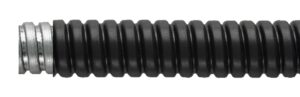
Black Flexible Conduit is a protective tubing designed to enclose and guide electrical cables. Unlike rigid conduit systems, it bends more easily and can move around corners, edges, and compact installation zones. This makes it highly useful in projects where space is limited or routing is more complex.
It is commonly chosen for installations that require protection against:
- mechanical wear
- dust and dirt
- vibration
- moisture
- repeated movement
- surface contact with surrounding equipment
Its black finish also gives a clean and professional look, especially in machinery, commercial interiors, and electronics assemblies where appearance and practicality both matter.
Why Is Cable Protection So Important?
Cables are one of the most important parts of any electrical system. If they become damaged, the whole installation can suffer from faults, signal loss, or complete failure. Exposed wiring is more likely to be affected by friction, movement, heat, or accidental contact with tools and equipment.
Black Flexible Conduit helps reduce these risks by adding a protective outer layer around the wiring. It supports safer cable runs and makes systems easier to manage, especially when multiple lines must travel together.
This is particularly valuable in applications involving:
- connectors
- switches
- contactors
- fuses
- LEDs
- capacitor based circuits
- low voltage control wiring
By protecting these cable paths, conduit supports stable performance and can reduce maintenance issues over time.
Key Advantages of Black Flexible Conduit
Flexible Routing in Difficult Spaces
One of the main reasons installers choose Black Flexible Conduit is its flexibility. In many systems, cables need to pass around bends, through narrow spaces, or alongside moving sections. Rigid conduit may be harder to fit in these areas, but flexible conduit adapts more easily.
This is helpful in:
- machinery housings
- panel wiring
- wall and ceiling voids
- retrofit projects
- equipment with moving parts
Because installation becomes simpler, technicians can protect wiring without creating unnecessary strain on the cables.
Improved Cable Safety
Cables can deteriorate when exposed to constant rubbing, vibration, or environmental stress. Black Flexible Conduit helps create a safer route by reducing direct exposure to these conditions. In industrial and technical environments, this can make a major difference.
It is often used to protect:
- power cables
- signal wiring
- communication lines
- sensor connections
- electronics harnesses
- controller wiring
In systems where cable failure could interrupt production or affect safety, this level of protection is highly valuable.
Cleaner and More Organised Installations
A tidy wiring layout is easier to inspect, maintain, and upgrade. When cables are left loose or scattered, the installation becomes more difficult to work on. Black Flexible Conduit helps group cables into controlled paths, making the overall system cleaner and more professional.
This improved organisation also supports quicker maintenance. Technicians can identify cable routes more easily and work more efficiently when wiring is properly enclosed.
Where Is Black Flexible Conduit Commonly Used?
Black Flexible Conduit is used in many sectors because it suits both simple and complex cable management tasks. Its balance of strength and flexibility allows it to perform well in different environments.
Industrial Machinery and Automation
Factories and production systems rely on stable electrical connections between sensors, controllers, switches, and contactors. These cable runs often sit close to moving parts, frames, and vibrating sections. Without proper protection, damage can develop quickly.
Black Flexible Conduit helps manage these risks by enclosing the wiring and supporting safer routing. It is especially useful where automation systems need reliable performance and reduced downtime.
Commercial Wiring Systems
Commercial buildings often require organised wiring for lighting, power distribution, safety systems, and equipment control. Flexible conduit supports these needs by making cable routing easier in hidden service areas, ceiling spaces, and complex structural layouts.
It can be used with circuits linked to:
- lighting controls
- LEDs
- safety devices
- building controllers
- electrical distribution components
Its adaptability makes it a practical option for modern building services.
Electronics and Technical Equipment
Compact technical systems also benefit from careful cable management. Electronics enclosures may contain delicate parts such as microcontrollers, microprocessors, and capacitor networks that depend on stable connections and low cable strain.
Black Flexible Conduit helps keep internal cable paths organised and protected. This improves serviceability and can contribute to longer system life in sensitive applications.
How Does It Help in Demanding Conditions?
Not all installations operate in clean indoor spaces. Some are exposed to challenging conditions such as dust, moisture, vibration, and industrial contaminants. In these environments, cabling needs support from materials that can handle everyday stress.
Black Flexible Conduit contributes to that protection by helping separate cables from harmful contact and reducing wear from movement. In some systems, it may be routed near thermal zones, thermal pads, oils, and equipment surfaces where added protection is beneficial.
Although conduit is only one part of a wider cable management strategy, it can strengthen the overall installation and reduce the risk of early cable damage.
What Should You Consider Before Selecting It?
Choosing the right conduit requires more than selecting a flexible option. The size, material, and operating conditions all need attention to ensure the conduit performs well.
Before choosing Black Flexible Conduit, consider:
- cable diameter and quantity
- bend radius requirements
- expected movement
- exposure to heat or moisture
- compatibility with connectors and fittings
- installation environment
- accessibility for future maintenance
A properly selected conduit should allow the cables to fit comfortably without excessive compression or wasted internal space.
Installation Tips for Better Results
Good installation practice helps conduit perform at its best. Even a strong protective solution can be less effective if routed poorly or fixed too tightly.
Useful installation tips include:
- avoid sharp bends
- secure the conduit at suitable intervals
- keep it away from rough or sharp edges
- inspect cables before enclosure
- use matching fittings where required
- allow for movement in dynamic systems
This is especially helpful in installations that connect with laptops, tools, control interfaces, or advanced electronics, where service access and cable integrity both matter.
Why Black Flexible Conduit Remains a Practical Choice
Black Flexible Conduit continues to be widely used because it offers a strong mix of protection, flexibility, and convenience. It helps installers manage cable routes more effectively while supporting safer and more reliable electrical systems.
Whether used in machinery, commercial wiring, electronics, or automated equipment, it plays an important role in protecting cables from everyday stress. As systems grow more compact and interconnected, practical cable protection becomes even more essential.
For professionals who need a dependable way to improve cable safety and organisation, Black Flexible Conduit remains a smart and effective solution.