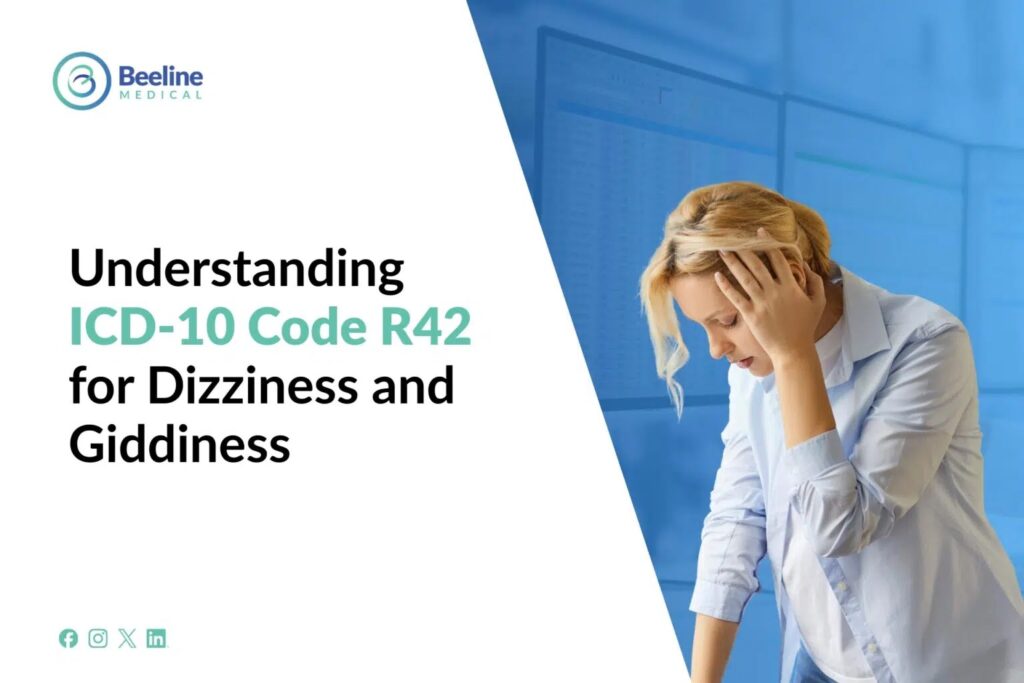
Dizziness and giddiness are frequent complaints in medical settings, affecting individuals of all ages. These sensations can vary from a brief feeling of lightheadedness to a more intense sense of imbalance or spinning. Because such symptoms can be linked to a wide range of conditions, proper medical documentation is essential. The icd 10 code for dizziness and giddiness provides a standardized way for healthcare professionals to record and manage these symptoms effectively.
Defining Dizziness and Giddiness
Dizziness is a general term that describes a variety of sensations, including feeling faint, weak, or unsteady. Giddiness often refers to a sensation of spinning or losing balance, sometimes resembling vertigo. Although these terms are often used interchangeably, they can indicate different underlying health issues.
Patients experiencing these symptoms may report:
- A sensation of lightheadedness
- Difficulty maintaining balance
- A spinning or whirling feeling
- Confusion or lack of clarity
Because these symptoms can stem from minor issues or serious medical conditions, accurate identification and coding are important steps in patient care.
What is the ICD 10 Code for Dizziness and Giddiness?
Within the ICD-10 system, dizziness and giddiness are classified under the code r42. This code belongs to a category that covers symptoms affecting the nervous and circulatory systems.
The r42 diagnosis code is typically used when a patient presents with dizziness or giddiness, but the exact cause has not yet been determined. It allows healthcare providers to document the symptom while further evaluation is underway.
Why Accurate Coding Matters
Using the correct dizziness icd 10 code is essential in multiple aspects of healthcare:
Clear Medical Records
Accurate coding ensures that patient symptoms are documented precisely. This helps maintain consistency in medical records and supports communication among healthcare providers.
Streamlined Insurance Processing
Insurance companies depend on ICD-10 codes to evaluate claims. Applying r42 correctly helps avoid delays or rejections during billing.
Support for Research and Analysis
Standardized codes enable healthcare systems to collect data on how often symptoms like dizziness occur. This information can be valuable for research and improving treatment approaches.
Better Care Planning
While r42 identifies the symptom, it also allows clinicians to continue investigating until a specific diagnosis is confirmed, ensuring appropriate care.
When Should the r42 Code Be Applied?
The r42 diagnosis code is used in situations where dizziness or giddiness is the main complaint and no specific condition has been diagnosed yet. Common scenarios include:
- Initial consultations where symptoms are still being assessed
- Temporary or unexplained dizziness episodes
- Cases where no definitive underlying condition is identified
If further testing reveals a specific cause, a more detailed ICD-10 code should replace r42.
Possible Causes of Dizziness and Giddiness
Although the icd 10 code for dizziness and giddiness is used for general symptom reporting, understanding the potential causes is crucial for diagnosis. Some common factors include:
Inner Ear Disorders
Problems affecting the inner ear can disrupt balance and lead to dizziness.
Blood Pressure Changes
Sudden drops in blood pressure, especially when standing, can cause lightheadedness.
Dehydration
Lack of adequate fluids can reduce blood flow to the brain, resulting in dizziness.
Medication Effects
Certain medications may produce dizziness as a side effect.
Neurological Issues
Conditions involving the brain or nervous system can also trigger these symptoms.
Symptoms Linked to r42
Patients categorized under icd 10 dizziness may experience a range of associated symptoms, such as:
- Feeling faint or weak
- Loss of balance
- Blurred vision
- Nausea or vomiting
- Difficulty concentrating
The intensity and duration of these symptoms can vary, making careful evaluation necessary.
How Healthcare Providers Diagnose the Condition
When a patient presents with symptoms requiring the r42 diagnosis code, a systematic evaluation is typically performed:
Reviewing Medical History
Doctors assess when the dizziness began, how often it occurs, and what triggers it.
Physical Examination
A thorough examination helps identify signs related to balance, neurological function, and cardiovascular health.
Diagnostic Tests
Blood tests may be used to detect underlying issues such as anemia or dehydration.
Imaging Techniques
In some cases, scans like CT or MRI are recommended to rule out serious conditions.
This step-by-step process ensures that the use of r42 is appropriate and helps identify any underlying causes.
Best Practices for Using the Code
To apply the icd 10 code for dizziness and giddiness correctly, healthcare providers should follow these guidelines:
- Use r42 only when no specific diagnosis has been confirmed
- Avoid using this code if a more precise condition is known
- Document all related symptoms in detail
- Update the code as new diagnostic information becomes available
Adhering to these practices improves the accuracy of medical records and enhances patient care.
Distinguishing r42 from Similar Codes
While r42 is widely used, it is important to differentiate it from other ICD-10 codes that describe more specific conditions. For example, disorders such as vertigo or balance-related diseases may have their own distinct codes. Proper use of dizziness icd 10 helps prevent errors and ensures clarity in documentation.
Final Thoughts
The icd 10 code for dizziness and giddiness serves as a vital tool in healthcare, allowing professionals to document a common yet complex symptom in a standardized way. The use of r42 supports accurate record-keeping, efficient billing, and ongoing diagnostic evaluation.
As healthcare providers work to determine the root cause of a patient’s symptoms, the r42 diagnosis code provides a reliable starting point. Its proper use ensures that patients receive the attention and care they need while maintaining consistency in medical documentation.
Ultimately, understanding and applying dizziness icd 10 coding correctly contributes to better diagnosis, improved treatment outcomes, and a more efficient healthcare system overall.