Breaking Free from Depression: How Individual Therapy Creates Real Change | Happy Lab
Introduction
Depression can feel like you’re stuck in a loop—waking up tired, going through the motions, and ending the day with the same heaviness you started with. You might ask yourself, “Will things ever get better?” The answer is yes—but often, it starts with reaching out for help.
Individual therapy offers a focused and supportive environment where you can begin to untangle your thoughts, understand your emotions, and rebuild your sense of control. Whether you’re considering sessions with a psychotherapist in Bangalore or exploring online therapy India, help is more accessible than ever.
Understand how individual therapy, personal counseling, online therapy India, psychotherapist in Bangalore, best psychotherapist in Bangalore, online depression counselling can support recovery.
Understanding the Reality of Depression
Depression is not just a temporary feeling—it’s a condition that affects your thoughts, emotions, and behavior.
Common experiences include:
- Persistent sadness
- Lack of motivation
- Difficulty concentrating
- Sleep disturbances
- Feelings of hopelessness
It can feel like walking through life with a constant weight on your shoulders.
What Happens in Individual Therapy
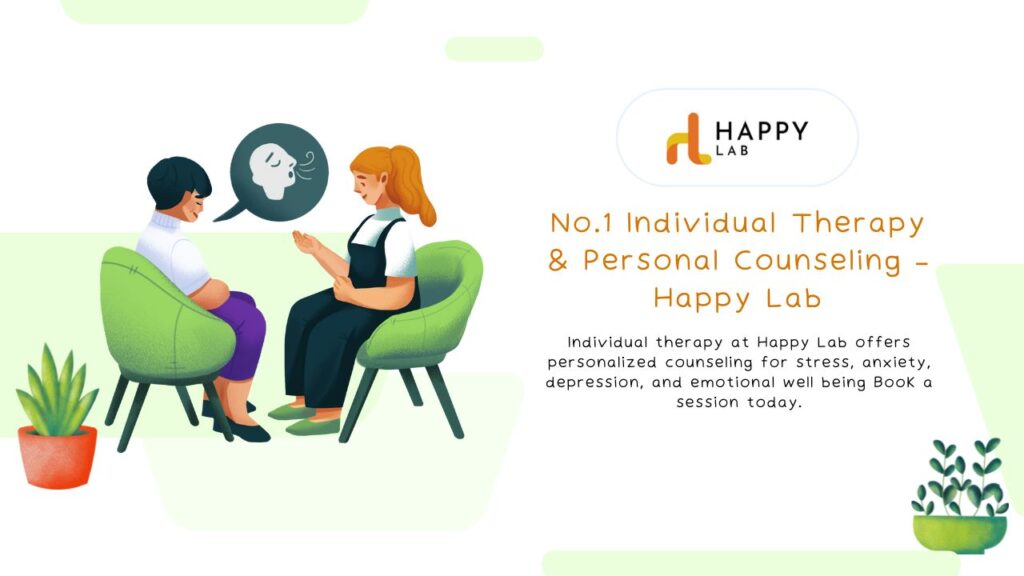
Individual therapy involves one-on-one sessions with a trained professional who helps you explore your inner world.
During sessions, you can:
- Talk openly about your feelings
- Understand emotional patterns
- Learn ways to cope better
It’s your personal space for reflection and growth.
Why Personal Counseling Matters
Personal counseling focuses on understanding the “why” behind your emotions.
It helps you:
- Recognize triggers
- Process past experiences
- Build emotional awareness
Like solving a puzzle, each session brings you closer to clarity.
Benefits of Individual Therapy
Individual therapy provides a personalized approach that can lead to meaningful change.
Key benefits:
- Customized guidance
- Confidential environment
- Deeper emotional insight
This tailored support helps address your specific challenges effectively.
Therapy Approaches That Work
A skilled psychotherapist in Bangalore may use different methods depending on your needs.
Effective approaches include:
- Cognitive Behavioral Therapy (CBT)
- Interpersonal Therapy
- Psychodynamic Therapy
- Mindfulness-Based Therapy
Each method helps you manage depression in a structured way.
Role of Cognitive Behavioral Therapy
CBT is one of the most widely used therapies for depression.
It focuses on:
- Identifying negative thinking patterns
- Challenging those thoughts
- Replacing them with healthier perspectives
This shift in thinking can gradually improve how you feel and respond to situations.
Healing Through Conversation
Talking about your feelings can be a powerful step toward recovery.
Talk therapy helps by:
- Reducing emotional burden
- Offering validation
- Providing clarity
It’s like opening a door that’s been closed for too long—once it’s open, things begin to feel lighter.
Rise of Online Therapy in India
The growth of online therapy India has made mental health support more accessible.
Benefits include:
- Convenience
- Flexibility
- Comfort of home
With online depression counselling, you can access help without geographical barriers.
Finding the Right Therapist in Bangalore
Choosing the best psychotherapist in Bangalore is essential for effective therapy.
Consider:
- Experience and qualifications
- Specialization in depression
- Your comfort level with them
A good match can make all the difference.
Building a Strong Therapeutic Bond
A strong relationship with your therapist is key to progress.
Ways to build it:
- Be honest about your feelings
- Take your time to open up
- Communicate your concerns
Trust develops gradually but plays a vital role in healing.
Techniques That Help Manage Depression
Therapists use practical tools to support your recovery.
Common techniques:
- Journaling for self-awareness
- Behavioral activation to increase activity
- Mindfulness practices to stay present
- Goal setting to track progress
These tools help bring structure to your daily routine.
Lifestyle Changes That Support Healing
Healthy habits can enhance the benefits of therapy.
Helpful changes:
- Regular physical activity
- Balanced diet
- Proper sleep
- Reduced screen time
These habits support both mental and physical well-being.
Debunking Therapy Myths
Misconceptions often prevent people from seeking help.
- “Therapy is only for severe problems.”
It’s helpful for all levels of emotional challenges. - “Talking doesn’t help.”
It often leads to clarity and change. - “It shows weakness.”
Seeking help is a sign of strength.
When to Consider Therapy
You may need therapy if:
- You feel persistently low
- Daily tasks feel overwhelming
- You’re struggling to cope alone
Starting individual therapy or personal counseling can be a powerful step forward.
Long-Term Impact of Therapy
Therapy not only helps in the present but also builds a better future.
Long-term benefits include:
- Emotional resilience
- Improved relationships
- Better self-understanding
- Reduced relapse risk
Over time, therapy helps you regain balance and confidence.
Conclusion
Depression can make you feel isolated, but you’re not alone. Individual therapy offers a safe, structured path toward healing and self-discovery. Whether you choose to work with a psychotherapist in Bangalore or opt for online depression counselling, taking that first step can lead to meaningful transformation.
You don’t need to have all the answers—just the willingness to begin.
FAQs
1. Is individual therapy effective for depression?
Yes, it provides personalized strategies that help manage symptoms and improve emotional well-being.
2. How long does therapy usually take?
The duration varies, but consistent sessions often lead to noticeable improvement over time.
3. Is online therapy in India a good option?
Yes, online therapy India offers flexible and accessible support for individuals seeking help.
4. How do I choose the best psychotherapist in Bangalore?
Look for qualifications, relevant experience, and someone you feel comfortable talking to.
5. Can therapy prevent depression from returning?
Therapy helps build coping skills and resilience, reducing the chances of relapse.