Restaurant Interior Designer: Creating Memorable Dining Experiences Through Design
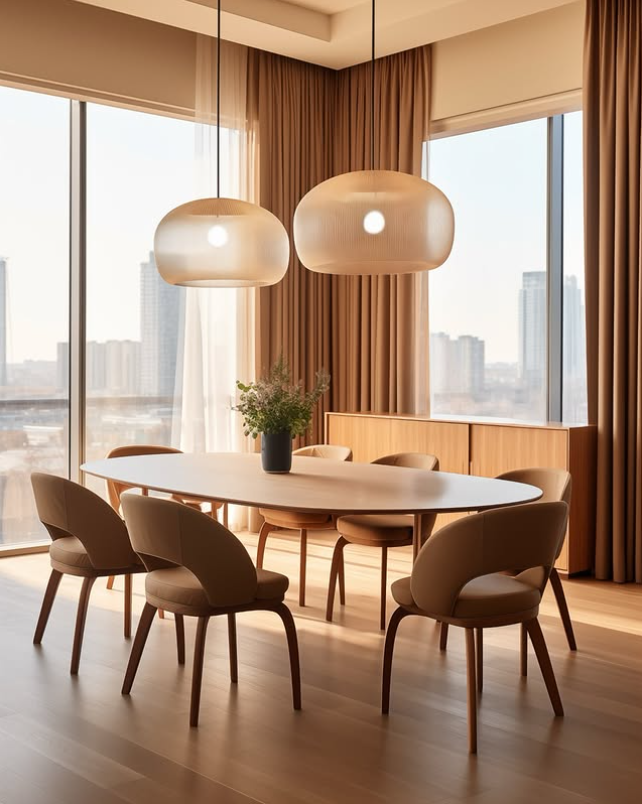
restaurant interior designer
In today’s competitive hospitality industry, great food alone is not enough to attract and retain customers. The overall dining experience—including ambiance, comfort, and visual appeal—plays a crucial role in a restaurant’s success. This is where a restaurant interior designer becomes essential. From concept development to final execution, these professionals create spaces that captivate guests, reflect brand identity, and enhance functionality.
A well-designed restaurant does more than look beautiful—it influences how customers feel, how long they stay, and whether they return. Investing in professional interior design can transform a simple dining space into a memorable destination.
What Does a Restaurant Interior Designer Do?
A restaurant interior designer specializes in designing functional and aesthetically appealing dining spaces. Their role goes beyond decoration—they strategically plan every element of the interior to align with the restaurant’s concept, target audience, and operational needs.
Key responsibilities include:
- Developing design concepts that reflect the restaurant’s brand
- Planning layouts for optimal seating and traffic flow
- Selecting furniture, lighting, and décor
- Coordinating with architects, contractors, and suppliers
- Ensuring compliance with safety and accessibility regulations
By balancing creativity with practicality, restaurant interior designers create spaces that are both visually engaging and operationally efficient.
Why Interior Design Matters in Restaurants
The design of a restaurant directly impacts customer perception and business performance. A thoughtfully designed space can influence everything from customer satisfaction to revenue.
First Impressions Matter
When customers walk into a restaurant, the interior design is one of the first things they notice. A well-designed space creates a positive first impression and sets the tone for the dining experience.
Enhancing Customer Experience
Comfortable seating, appropriate lighting, and a welcoming atmosphere contribute to a pleasant dining experience. When customers feel comfortable, they are more likely to stay longer and return.
Supporting Brand Identity
Interior design helps communicate the restaurant’s concept and brand. Whether it’s a casual café, a fine dining establishment, or a themed restaurant, the design should reflect its unique identity.
Increasing Revenue Potential
A well-planned layout can maximize seating capacity without compromising comfort. Efficient design also improves service flow, allowing staff to operate more effectively and serve more customers.
Key Elements of Restaurant Interior Design
A successful restaurant interior design involves several important elements working together harmoniously.
Layout and Space Planning
Space planning is one of the most critical aspects of restaurant design. Designers ensure that seating arrangements, kitchen areas, and walkways are organized efficiently to optimize both customer comfort and staff productivity.
Lighting Design
Lighting plays a significant role in setting the mood. Soft, warm lighting creates a cozy atmosphere, while brighter lighting may be suitable for casual dining spaces. Accent lighting can highlight architectural features or décor elements.
Furniture Selection
Furniture must be both stylish and functional. Designers select tables, chairs, and booths that match the restaurant’s theme while providing comfort and durability.
Color Scheme
Colors influence mood and perception. Warm tones can create an inviting atmosphere, while neutral palettes offer a modern and sophisticated look. Designers carefully choose colors that align with the restaurant’s brand.
Materials and Finishes
Durable and high-quality materials are essential in restaurant environments. Designers select finishes that are easy to maintain while enhancing the overall aesthetic.
Décor and Branding
Artwork, wall décor, and decorative elements add personality to the space. These elements help reinforce the restaurant’s theme and create a memorable environment.
Popular Restaurant Design Styles
Different restaurants adopt various design styles based on their concept and target audience.
Modern and Minimalist
Modern restaurants often feature clean lines, neutral colors, and simple décor. This style creates a sleek and contemporary look.
Industrial Style
Industrial design includes exposed brick, metal fixtures, and raw materials. It is popular in urban settings and gives a trendy, edgy feel.
Rustic and Farmhouse
Rustic designs use natural materials like wood and stone to create a warm and cozy atmosphere. This style is common in casual dining restaurants.
Luxury and Fine Dining
Fine dining establishments often feature elegant décor, high-end materials, and sophisticated lighting. The focus is on creating an upscale and refined experience.
Themed Restaurants
Themed restaurants use creative design elements to transport guests into a specific setting or concept. This approach enhances customer engagement and makes the dining experience more memorable.
The Role of Technology in Restaurant Design
Modern restaurant interior design often incorporates technology to improve both customer experience and operational efficiency.
- Digital menus and ordering systems
- Smart lighting and climate control
- Acoustic solutions for noise reduction
- Charging stations and connectivity options
Integrating technology into design ensures that the restaurant meets the expectations of today’s customers.
Designing for Functionality and Efficiency
While aesthetics are important, functionality is equally critical. A restaurant interior designer ensures that the space supports smooth operations.
Kitchen and Service Flow
Designers plan layouts that allow staff to move efficiently between the kitchen and dining areas. This reduces delays and improves service quality.
Accessibility
Restaurants must be accessible to all customers, including those with disabilities. Designers ensure compliance with accessibility standards.
Safety Regulations
Fire safety, ventilation, and health regulations are essential considerations. Designers work closely with professionals to meet all requirements.
Sustainability in Restaurant Interior Design
Sustainability is becoming increasingly important in the hospitality industry. Many restaurant owners are adopting eco-friendly design practices.
Common sustainable design strategies include:
- Using recycled or sustainable materials
- Installing energy-efficient lighting and appliances
- Reducing waste through thoughtful design
- Incorporating natural light and ventilation
Sustainable design not only benefits the environment but also appeals to environmentally conscious customers.
The Design Process
Working with a restaurant interior designer typically involves several stages.
Consultation
The process begins with understanding the client’s vision, concept, and budget.
Concept Development
Designers create mood boards and layouts to visualize the design idea.
Design Planning
Detailed plans are developed, including material selections and furniture choices.
Implementation
The designer coordinates with contractors and oversees the construction or renovation process.
Final Styling
Decorative elements are added to complete the space and ensure a cohesive look.
Choosing the Right Restaurant Interior Designer
Selecting the right designer is essential for achieving the desired results. Consider the following factors:
- Experience in restaurant design
- Portfolio of past projects
- Understanding of your brand and concept
- Communication and collaboration skills
- Budget and timeline management
A skilled designer will work closely with you to bring your vision to life while ensuring practicality and efficiency.
Final Thoughts
A restaurant interior designer plays a vital role in shaping the success of a dining establishment. By combining creativity, functionality, and strategic planning, they create spaces that enhance customer experience and support business growth.
From layout and lighting to décor and branding, every detail contributes to the overall atmosphere. Investing in professional restaurant interior design is not just about aesthetics—it’s about creating an environment that attracts customers, encourages repeat visits, and sets your restaurant apart in a competitive market.
Whether you are opening a new restaurant or renovating an existing one, working with an experienced interior designer can help you achieve a space that is both visually stunning and operationally efficient. With the right design, your restaurant can become a destination where guests enjoy not only the food but the entire experience.