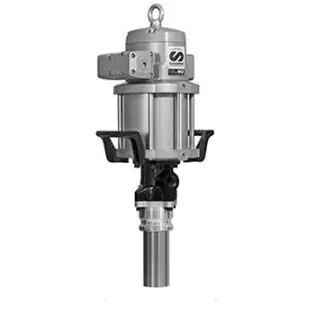
Grease Pump.
A grease pump is an essential tool widely used in industries, automotive maintenance, and mechanical applications to ensure proper lubrication of moving parts. Without adequate lubrication, machinery can suffer from excessive wear, overheating, and eventual breakdown. A grease pump simplifies the process by delivering the right amount of lubricant precisely where it is needed, improving performance and extending the lifespan of equipment. From small workshops to large manufacturing plants, the use of a grease pump has become indispensable for maintaining efficiency and reliability.
In modern maintenance practices, a grease pump plays a crucial role in reducing downtime and ensuring smooth operations. Whether it is used for vehicles, industrial machines, or agricultural equipment, this tool helps apply grease evenly and efficiently. By automating or simplifying lubrication tasks, a grease pump minimizes human effort and ensures consistency, making it a preferred choice for professionals across various sectors.
What is a Grease Pump?
A grease pump is a device designed to transfer lubricating grease from a container to machinery or mechanical components. It works by applying pressure to move grease through a hose or nozzle directly to the lubrication points. These pumps come in different types, sizes, and capacities depending on their intended use.
Grease pumps can be manual, pneumatic, or electric. Manual pumps are typically used for small-scale applications and are operated by hand. Pneumatic pumps use compressed air to deliver grease, making them ideal for industrial settings where speed and efficiency are crucial. Electric grease pumps, on the other hand, offer automation and precision, making them suitable for high-demand environments.
Types of Grease Pumps
Understanding the different types of grease pumps can help you choose the right one for your needs:
1. Manual Grease Pump
Manual grease pumps are simple and cost-effective. They are commonly used in small workshops or for occasional maintenance tasks. These pumps require physical effort to operate but provide precise control over the amount of grease applied.
2. Pneumatic Grease Pump
Pneumatic grease pumps use compressed air to push grease through the system. They are highly efficient and are widely used in automotive service centers and industrial facilities. These pumps can handle large volumes of grease quickly, making them ideal for heavy-duty applications.
3. Electric Grease Pump
Electric grease pumps are designed for convenience and precision. They eliminate the need for manual effort and provide consistent lubrication. These pumps are often used in automated systems where regular and accurate lubrication is required.
4. Portable Grease Pump
Portable grease pumps are lightweight and easy to transport. They are perfect for fieldwork, construction sites, and remote locations where mobility is essential.
Key Benefits of Using a Grease Pump
Using a grease pump offers several advantages that make it a valuable tool in maintenance and repair operations:
Improved Efficiency
A grease pump allows for quick and precise application of lubricant, saving time and effort. This is particularly important in industries where downtime can result in significant losses.
Extended Equipment Life
Proper lubrication reduces friction and wear, helping to extend the lifespan of machinery and components. This reduces the need for frequent repairs and replacements.
Reduced Maintenance Costs
By ensuring consistent lubrication, grease pumps help prevent mechanical failures, lowering maintenance and repair costs over time.
Enhanced Safety
Manual lubrication methods can be messy and sometimes hazardous. A grease pump provides a cleaner and safer way to apply grease, minimizing the risk of accidents.
Applications of Grease Pumps
Grease pumps are used in a wide range of applications across different industries:
Automotive Industry
In the automotive sector, grease pumps are used to lubricate vehicle components such as bearings, joints, and suspension systems. Regular lubrication ensures smooth operation and prevents premature wear.
Industrial Machinery
Factories and manufacturing plants rely on grease pumps to maintain heavy machinery. Proper lubrication is critical for ensuring consistent performance and avoiding costly breakdowns.
Agriculture
Farm equipment such as tractors and harvesters require regular lubrication to function efficiently. Grease pumps make it easier to maintain these machines, even in challenging environments.
Construction
Construction equipment operates under extreme conditions, making lubrication essential. Grease pumps help keep machinery in optimal condition, reducing downtime on job sites.
How to Choose the Right Grease Pump
Selecting the right grease pump depends on several factors:
Application Requirements
Consider the type of machinery and the frequency of lubrication. Heavy-duty applications may require pneumatic or electric pumps, while light tasks can be handled by manual pumps.
Capacity
Choose a pump with the appropriate capacity for your needs. Larger operations may require high-capacity pumps to handle large volumes of grease.
Portability
If you need to move the pump frequently, opt for a portable model that is easy to carry and operate.
Budget
While advanced pumps offer more features, they also come at a higher cost. Evaluate your budget and choose a pump that provides the best value for your needs.
Maintenance Tips for Grease Pumps
To ensure optimal performance and longevity, it is important to maintain your grease pump properly:
- Regular Cleaning: Keep the pump and its components clean to prevent contamination.
- Check for Leaks: Inspect hoses and connections for leaks and repair them promptly.
- Use Quality Grease: Always use high-quality lubricants to avoid damage to the pump and machinery.
- Routine Inspection: Regularly check the pump for wear and tear and replace damaged parts as needed.
Common Mistakes to Avoid
Even with the right equipment, improper use can lead to problems. Here are some common mistakes to avoid:
- Over-lubricating components, which can cause damage
- Using the wrong type of grease
- Ignoring maintenance and cleaning
- Applying uneven pressure during operation
Avoiding these mistakes can help you get the most out of your grease pump and ensure efficient lubrication.
Future Trends in Grease Pump Technology
With advancements in technology, grease pumps are becoming more sophisticated. Smart grease pumps equipped with sensors and automation features are gaining popularity. These systems can monitor lubrication levels, detect issues, and provide real-time data, making maintenance more efficient and proactive.
Additionally, eco-friendly lubricants and energy-efficient pumps are being developed to reduce environmental impact. These innovations are shaping the future of lubrication technology, making it more sustainable and effective.
Conclusion
A grease pump is a vital tool for ensuring proper lubrication in various applications, from automotive maintenance to industrial operations. By delivering grease efficiently and precisely, it helps improve performance, reduce wear, and extend the lifespan of machinery. Whether you choose a manual, pneumatic, or electric model, investing in the right grease pump can significantly enhance your maintenance processes.
With proper usage and regular maintenance, a grease pump can provide long-lasting benefits, making it an indispensable part of any maintenance toolkit. As technology continues to evolve, these tools will become even more efficient, helping industries achieve higher levels of productivity and reliability.