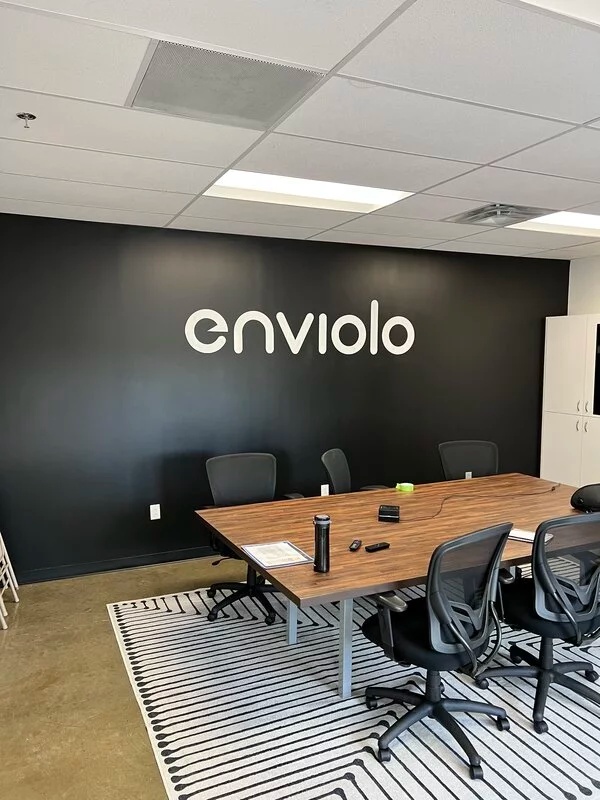
In a vibrant and competitive marketplace like Austin, businesses must go beyond traditional marketing to stand out. With a thriving mix of local boutiques, tech startups, restaurants, and service-based companies, attracting foot traffic requires more than just a great product—it demands strong visual communication. This is where Custom Signs in Austin play a vital role.
Custom signage is not just about displaying your business name; it’s about telling your story, guiding customers, and creating memorable experiences. Whether you’re targeting walk-in customers or B2B clients, strategic sign design can significantly increase visibility, engagement, and ultimately, sales.
This detailed guide explores the most effective custom sign design strategies tailored specifically for Austin businesses and nearby areas.
Why Custom Signs Matter for Austin Businesses
Austin is known for its unique culture, creativity, and fast-growing economy. From South Congress to Round Rock and Georgetown, businesses compete for attention in both high-traffic urban zones and suburban commercial hubs.
Here’s why Custom Signs are essential:
-
First impressions matter: Your signage is often the first interaction a customer has with your brand.
-
24/7 marketing: Signs work around the clock, unlike digital ads with limited visibility windows.
-
Local identity: Custom signs help reflect Austin’s artistic and eclectic vibe.
-
Increased walk-ins: Eye-catching signage can convert passersby into customers.
1. Understand Your Target Audience and Location
The effectiveness of your signage begins with understanding who you’re trying to attract.
Tailor Your Design to Demographics
-
Younger audiences in downtown Austin may respond better to bold, modern, and quirky designs.
-
Family-oriented suburbs like Cedar Park or Pflugerville may prefer clean, friendly, and easy-to-read signage.
Consider Foot Traffic Patterns
-
Are customers walking, driving, or biking past your location?
-
Pedestrian-heavy areas require detailed and engaging designs.
-
High-speed traffic areas need bold fonts and minimal text.
For B2B service businesses, signage should communicate professionalism and trust. A clean and corporate look often works better than overly creative designs.
2. Prioritize Readability and Visibility
One of the biggest mistakes businesses make is overcomplicating their signage.
Key Elements of Readable Signage:
-
Font size: Large enough to be read from a distance.
-
Font style: Avoid overly decorative fonts.
-
Contrast: High contrast between text and background improves visibility.
-
Spacing: Adequate spacing ensures clarity.
The 3-Second Rule
Your sign should communicate its message within 3 seconds. If it takes longer, you risk losing attention.
This is especially important for businesses located along busy Austin roads like I-35 or Mopac Expressway.
3. Use Bold and Strategic Color Psychology
Colors play a powerful role in influencing customer behavior.
Effective Color Strategies:
-
Red & Orange: Create urgency and excitement (great for restaurants and retail).
-
Blue: Builds trust (ideal for B2B services and corporate offices).
-
Green: Represents sustainability (perfect for eco-conscious brands).
-
Black & White: Offers a premium and sophisticated look.
Austin’s creative culture allows businesses to experiment with vibrant and unconventional color palettes, but balance is key.
4. Incorporate Branding Consistency
Your signage should align with your overall brand identity.
Elements to Maintain Consistency:
-
Logo
-
Brand colors
-
Typography
-
Tone and messaging
Consistent branding across all signage—storefront signs, interior signs, and promotional displays—builds recognition and trust.
For B2B companies, consistency signals professionalism and reliability, which are crucial for long-term partnerships.
5. Leverage Lighting for Maximum Impact
Illuminated signage is one of the most effective ways to attract attention, especially in Austin’s bustling nightlife scene.
Popular Lighting Options:
-
LED channel letters
-
Backlit signs
-
Neon-style signs
-
Halo-lit signage
Benefits include:
-
Increased visibility at night
-
Enhanced aesthetic appeal
-
Energy efficiency (especially with LED)
Businesses in entertainment districts or late-night service industries benefit greatly from illuminated Custom Signs in Austin.
6. Focus on Strategic Placement
Even the best-designed sign will fail if it’s poorly placed.
Placement Tips:
-
Position signs at eye level for pedestrians.
-
Ensure visibility from multiple angles.
-
Avoid obstructions like trees or poles.
-
Use directional signage to guide customers.
For larger commercial spaces or B2B offices, wayfinding signage can improve customer experience and reduce confusion.
7. Add a Unique and Localized Touch
Austin is known for its “Keep Austin Weird” culture. Incorporating local elements can make your signage more relatable and memorable.
Ideas for Localized Signage:
-
Use artistic murals or hand-painted designs.
-
Include cultural references or local themes.
-
Collaborate with local artists.
This approach not only attracts attention but also builds a stronger emotional connection with the community.
8. Optimize for Mobile and Social Media Visibility
In today’s digital age, signage isn’t just physical—it’s also shareable.
Make Your Sign “Instagrammable”:
-
Unique design or catchy phrases
-
Creative lighting effects
-
Photo-friendly backdrops
Encouraging customers to take photos and share them online can amplify your brand reach organically.
9. Invest in High-Quality Materials
Durability is crucial, especially in Texas weather conditions.
Recommended Materials:
-
Aluminum (rust-resistant)
-
Acrylic (modern look)
-
PVC (cost-effective)
-
Weather-resistant vinyl
High-quality materials ensure your signage remains attractive and functional for years, reducing long-term costs.
10. Comply with Local Regulations
Austin has specific signage regulations that businesses must follow.
Important Considerations:
-
Size limitations
-
Lighting restrictions
-
Zoning laws
-
Permit requirements
Working with a professional Sign Company in Austin ensures compliance and avoids costly fines or redesigns.
11. Use Data-Driven Design Decisions
Modern businesses can use data to optimize signage performance.
Metrics to Track:
-
Foot traffic before and after installation
-
Customer engagement
-
Sales conversion rates
Analyzing this data helps refine your signage strategy for better results.
12. Create Multi-Purpose Signage for B2B Businesses
For B2B companies, signage should serve multiple purposes:
-
Brand awareness
-
Directional guidance
-
Professional presentation
Examples:
-
Lobby signs that reflect brand identity
-
Office directories for easy navigation
-
Trade show displays for networking
A well-designed sign can make a strong impression on potential clients and partners.
13. Regular Maintenance and Updates
Outdated or damaged signage can harm your brand image.
Maintenance Tips:
-
Clean signs regularly
-
Replace faded graphics
-
Update messaging when needed
Seasonal updates or promotional signage can also keep your business fresh and relevant.
14. Work with Experienced Professionals
Designing effective signage requires expertise in design, materials, and local regulations.
Partnering with a trusted provider like Georgetown Sign Company ensures that your signage is not only visually appealing but also strategically effective. Their experience in creating impactful Custom Signs helps businesses across Austin and nearby areas stand out in competitive markets.
Additionally, Georgetown Sign Company understands the unique needs of both retail and B2B businesses, delivering customized solutions that drive results.
Conclusion
In a dynamic and competitive market like Austin, investing in well-designed signage is no longer optional—it’s essential. From understanding your audience to leveraging lighting, color, and placement, every element of your signage plays a role in attracting customers and increasing sales.
Whether you’re a small local shop, a growing startup, or a B2B enterprise, implementing these strategies can significantly boost your visibility and foot traffic. With the right approach to Custom Signs in Austin, your business can create a lasting impression and achieve sustainable growth.
FAQs
1. Why are custom signs important for Austin businesses?
Custom signs help businesses stand out in a competitive market, attract foot traffic, and create strong brand recognition.
2. What types of custom signs work best in Austin?
Illuminated signs, channel letters, blade signs, and creative artistic signage work well due to Austin’s vibrant culture.
3. How can signage increase sales?
Effective signage attracts more customers, communicates value quickly, and enhances brand trust, leading to higher conversions.
4. Are there regulations for signage in Austin?
Yes, businesses must follow local zoning laws, size restrictions, and permit requirements. Working with a professional sign company helps ensure compliance.
5. How often should I update my business signage?
It’s recommended to review signage annually and update it whenever branding, promotions, or wear and tear require changes.