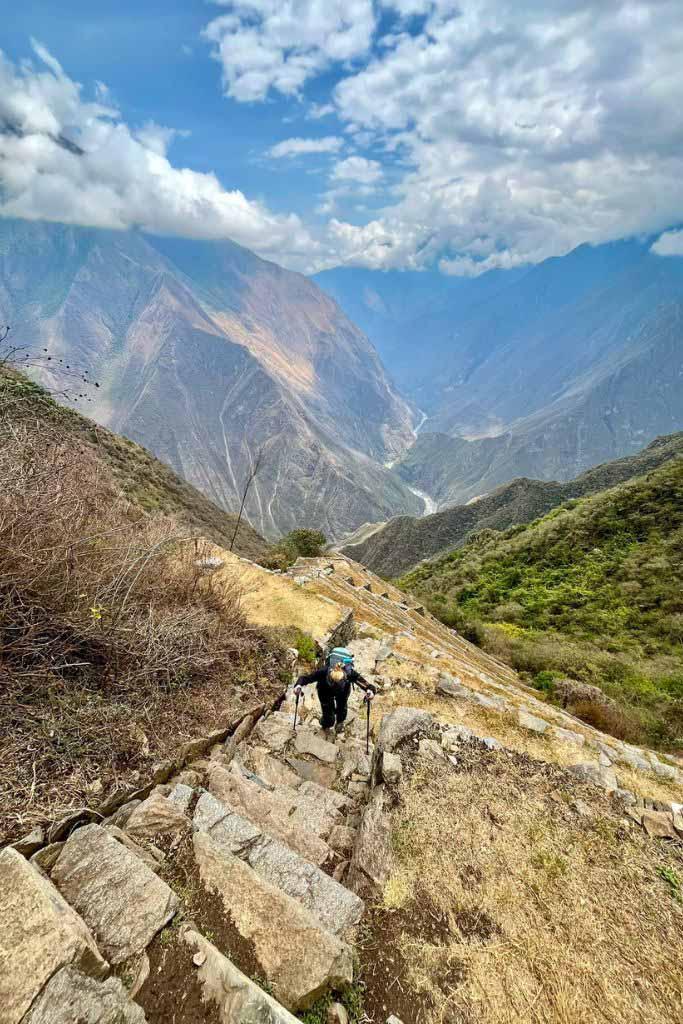
The Andes are home to ancient pathways that tell stories of civilizations past, offering experienced hikers more than just scenic views. While popular routes attract many travelers, less-traveled trails reveal historical and cultural significance that remains largely untouched. For those seeking authentic experiences, trails connected to sites like the Choquequirao trek present opportunities to walk paths once used by Inca messengers and traders. These routes challenge both stamina and curiosity, allowing hikers to engage deeply with the history embedded in the region.
Understanding Andean History Through Trails
Many lesser-known trails across the Andes trace trade routes, ceremonial sites, and agricultural terraces that shaped local communities for centuries. Knowledgeable local guides can enhance understanding, pointing out architectural remnants, irrigation systems, and strategically placed lookout points. Hiking these trails requires preparation and respect for the environment, as paths often traverse rugged terrain and high altitudes. Trails like those leading to the Choquequirao trek not only offer adventure but also illustrate how Andean societies connected distant communities through intricate networks.
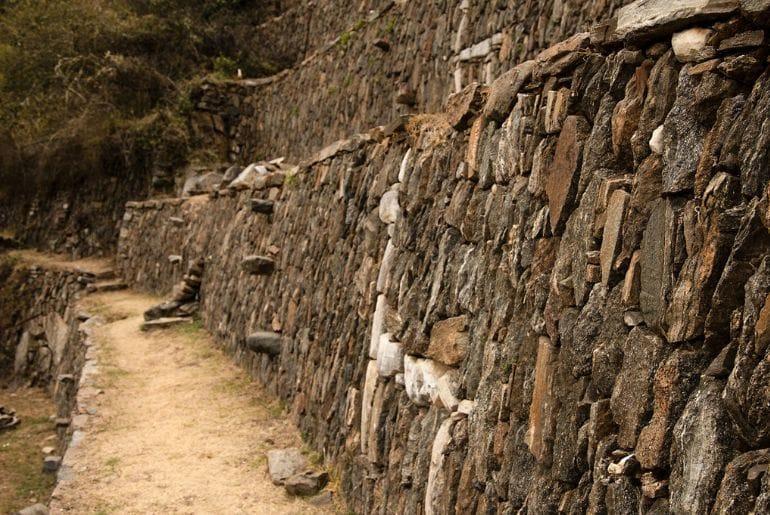
Historical trails often feature terraces, stone walls, and small settlements that remain in use today. Observing these features gives hikers insight into agricultural practices, resource management, and social organization. Trails were often chosen for accessibility, safety, and proximity to water, demonstrating practical engineering skills of past civilizations. With guidance, travelers can understand how these elements shaped local cultures and continue to influence modern practices.

Safety and Preparation for Remote Routes
Venturing onto less-visited paths requires careful preparation. Weather in the Andes can change rapidly, with high-altitude conditions posing risks such as fatigue and altitude sickness. Proper acclimatization, adequate hydration, and pacing are essential to maintain energy over extended treks. Trails like the Rainbow Mountain 2-day trek provide structured routes that balance challenge with accessibility, allowing hikers to engage with history without compromising safety.
Equipment is also critical. Sturdy footwear, layered clothing, trekking poles, and navigation tools can improve both comfort and security. Maps, GPS devices, and guide recommendations help prevent disorientation on routes that are less maintained than popular paths. Travelers should also consider emergency supplies, as some historic trails are far from settlements or medical facilities.
Cultural Immersion Along Historical Paths
Local guides play a central role in connecting hikers with the cultural context. Their knowledge enriches the experience, explaining the significance of ruins, traditional practices, and oral histories. On trails linked to the Choquequirao trek, guides often provide stories passed down through generations, offering perspectives that cannot be captured in guidebooks or online resources. Interactions with local communities along the trails also foster appreciation for traditional lifestyles and support sustainable tourism practices.
Technical Considerations for Experienced Hikers
Historic trails in the Andes vary in difficulty. Some require steep ascents, river crossings, or high-altitude passages, while others may be more gradual but extended in length. Experienced hikers should assess their abilities, study trail maps, and choose routes that match their physical conditioning. The Choquequirao trek is notable for its challenging terrain, demanding fitness, and technical navigation skills, making it suitable for hikers seeking both physical exertion and historical engagement.
Proper pacing and rest are critical on extended treks. Short breaks at high points allow for acclimatization, photography, or observation of historic structures. Packing light while carrying essentials ensures mobility without overexertion.
Preserving the Trails
Respect for the environment is vital when hiking historic trails. Soil erosion, litter, and unchecked foot traffic can damage fragile archaeological sites. Following established paths, avoiding unnecessary modifications to the terrain, and practicing leave-no-trace principles protect both natural and cultural resources. Guides often advise hikers on sustainable practices, ensuring that these routes remain accessible for future generations.
Combining Adventure with Historical Insight
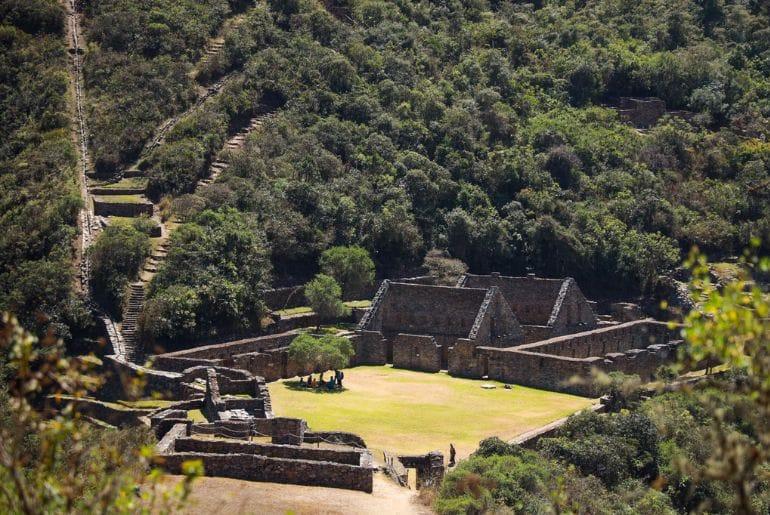
Historic trails offer a rare combination of adventure, fitness, and education. For hikers willing to challenge themselves, these paths provide a deeper connection to the Andes’ heritage than mainstream routes. Trail experiences along the Choquequirao trek, for example, integrate physical challenge with observation of ancient architecture and agricultural systems. Travelers can witness firsthand how past civilizations adapted to rugged terrain while maintaining vibrant communities.
Planning Your Historic Andes Trek
Selecting the right route requires balancing interests, physical capabilities, and available time. Some trails are suitable for multi-day excursions like the Choquequirao trek, while others can be completed in shorter segments. Advanced planning ensures proper gear, accommodations, and guide arrangements. Combining multiple trails or linking historical sites can enrich the experience, allowing hikers to witness both natural beauty and cultural significance without overcrowding.
Step onto the Historic Trails Today
For experienced hikers, historic trails in the Andes offer challenges, learning, and cultural engagement beyond typical tourist paths. Routes like the Choquequirao trek allow participants to combine physical activity with a deeper understanding of past societies. By integrating the Rainbow Mountain and Red Valley tour, Sacred Valley day trip from Cusco, and Rainbow Mountain Peru day tour into travel plans, hikers can experience a full range of historical, cultural, and adventurous highlights in one trip. For those ready to engage with these historic paths, Rainbow Mountain Expeditions provides expert guidance and thoughtfully organized itineraries. Contact them today.
About the Author
Lucas Herrera has spent over a decade hiking, photographing, and studying trails throughout the Andes. His writing emphasizes practical tips, historical context, and cultural appreciation. He shares personal experiences and insights to help readers plan safe and fulfilling treks. Lucas combines research with firsthand observation, making ancient paths accessible to modern adventurers.