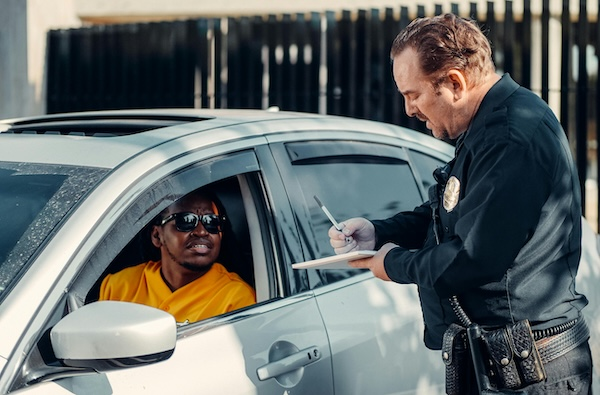
Speeding tickets are among the most common traffic violations across many regions, particularly in Ontario, Canada. While many drivers view them as minor infractions, the consequences of speeding tickets can extend far beyond paying a simple fine. From demerit points and increased insurance premiums to potential license suspension, a speeding conviction can affect your finances and driving record for years.
If you are dealing with a speeding ticket, it is important to understand the legal implications, penalties, and options available for challenging the charge. Professional assistance from legal specialists such as those at https://www.trafficparalegalservices.com/speeding-tickets/ can make a significant difference when trying to reduce penalties or protect your driving record.
Understanding Speeding Tickets
Speeding occurs when a driver operates a vehicle above the posted speed limit or drives too fast for road conditions. In Ontario, speeding violations fall under provincial traffic laws and are treated as provincial offences rather than criminal charges. However, this does not mean the consequences are insignificant. Convictions can remain on your driving record and impact your insurance rates.
Speed limits are designed to ensure road safety for all users, including drivers, cyclists, and pedestrians. When drivers exceed these limits, they increase the risk of accidents due to reduced reaction time and greater stopping distance.
How Speeding Tickets Are Issued
Speeding tickets may be issued in several ways depending on the circumstances of the violation. Police officers typically rely on speed detection technologies such as radar or lidar to measure a vehicle’s speed. If a driver is caught exceeding the speed limit, the officer may issue a ticket during a roadside stop.
Other common ways speeding tickets are issued include:
- Automated speed cameras that capture images of speeding vehicles.
- Tickets issued after roadside stops by police officers.
- Court summons for more serious speeding allegations.
- Enhanced enforcement in school zones or construction areas.
Regardless of how the ticket is issued, drivers have the right to contest the charge if they believe it was issued unfairly or incorrectly.
Penalties Associated With Speeding Tickets
The penalties for speeding vary depending on how much the driver exceeds the speed limit. Fines generally increase with the severity of the violation. In Ontario, speeding fines are commonly calculated based on the number of kilometers per hour driven over the limit.
For example:
- 1–19 km/h over the limit usually results in smaller fines.
- 20–29 km/h over the limit leads to higher fines and possible demerit points.
- 30–49 km/h over the limit results in significantly higher penalties.
In addition to fines, drivers may receive demerit points that accumulate on their driving record. If too many points are collected within a certain timeframe, drivers may face license suspension or mandatory driving courses.
Impact on Insurance and Driving Record
One of the most significant consequences of a speeding ticket is the effect on insurance rates. Insurance providers often view speeding convictions as indicators of risky driving behavior. As a result, drivers may experience higher premiums after receiving a ticket.
A speeding ticket can remain on a driver’s record for several years, potentially affecting employment opportunities for those whose jobs require a clean driving record.
Factors That Affect Speeding Ticket Costs
Several factors can influence how much a speeding ticket ultimately costs. These factors include:
- Speed over the limit.
- Location of the offense such as school zones or construction zones.
- Driver’s history and previous violations.
- Road conditions at the time of the offense.
- Whether the speeding contributed to an accident.
Understanding these factors helps drivers better assess the potential consequences of their ticket and determine whether they should seek legal assistance.
Why You Should Not Immediately Pay a Speeding Ticket
Many drivers assume the easiest option is simply paying the fine and moving on. However, paying a speeding ticket is equivalent to admitting guilt. This action automatically results in the conviction being recorded on your driving history.
Once a ticket is paid, it becomes difficult or impossible to dispute the charge. This can lead to long‑term financial consequences through increased insurance premiums or additional penalties.
Fighting a Speeding Ticket
Receiving a speeding ticket does not automatically mean you must accept the penalty. Drivers have the right to challenge the ticket in court.
The process of fighting a speeding ticket may involve:
- Reviewing the officer’s evidence and notes
- Examining radar or speed detection device calibration
- Investigating road conditions and signage
- Negotiating with prosecutors
- Presenting a defense in court
Professional representation from experienced paralegals can significantly improve the chances of reducing or dismissing the charges. Legal specialists who focus on traffic law help drivers navigate the legal process and protect their driving records.
Benefits of Hiring a Traffic Paralegal
Traffic law can be complex, and the procedures involved in contesting a ticket may be confusing for someone unfamiliar with the legal system.
Benefits include:
- Expert knowledge of traffic laws
- Assistance with paperwork and court procedures
- Possibility of reduced fines or dismissed charges
- Protection of your driving record
Steps to Take After Receiving a Speeding Ticket
If you receive a speeding ticket, consider taking these steps:
- Review the ticket carefully.
- Understand the response deadline.
- Gather any supporting evidence.
- Consult a legal professional.
- Decide whether to dispute the charge.
Acting quickly ensures you do not miss deadlines that could affect your ability to contest the ticket.
Preventing Speeding Tickets
Drivers can reduce the risk of receiving speeding tickets by practicing safe driving habits such as:
- Following posted speed limits
- Adjusting speed according to road and weather conditions
- Driving cautiously in school zones and construction areas
- Staying attentive and avoiding distractions
Conclusion
Speeding tickets may seem minor, but they can have long‑term consequences including fines, demerit points, insurance increases, and potential license suspension. Understanding your rights and options can help you make informed decisions when dealing with a traffic violation.
Seeking professional assistance from services like https://www.trafficparalegalservices.com/speeding-tickets/ can help drivers navigate the legal process, potentially reduce penalties, and protect their driving records.