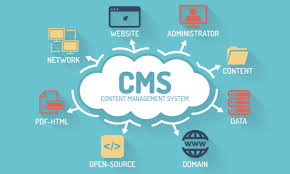
Software for Data Management: The Ultimate Guide to Organizing, Securing, and Leveraging Your Data
In today’s digital world, data is the backbone of every organization. From customer information and financial records to analytics and operational insights, businesses generate massive volumes of data every day. Without the right software for data management, this information can quickly become chaotic, difficult to access, and vulnerable to security risks.
Modern data management software helps organizations store, organize, analyze, and protect their data efficiently. Whether you are a small business owner, an IT professional, or a large enterprise leader, choosing the right solution can dramatically improve productivity, decision-making, and compliance.
This guide explores what data management software is, its benefits, essential features, types, and how to choose the best solution for your needs.
What Is Software for Data Management?
Software for data management refers to digital tools designed to collect, store, organize, process, and secure data in a structured and accessible manner. These tools help organizations manage large volumes of information across multiple systems while maintaining accuracy, consistency, and security.
Data management software ensures that information is:
-
Easily accessible
-
Properly organized
-
Securely stored
-
Consistently updated
-
Ready for analysis
Businesses rely on such tools to maintain reliable databases, streamline workflows, and support data-driven decisions.
Why Data Management Software Is Important
As businesses grow, so does the complexity of their data. Managing this data manually or with outdated systems can lead to errors, inefficiencies, and security risks.
Here are some key reasons why organizations rely on data management software:
1. Improved Data Organization
Data management software helps structure information into organized databases, making it easier to search, retrieve, and update data.
2. Better Decision-Making
When data is organized and accessible, businesses can analyze trends and insights quickly. This leads to more informed strategic decisions.
3. Enhanced Data Security
Modern solutions include encryption, access control, and monitoring tools that protect sensitive data from unauthorized access and cyber threats.
4. Regulatory Compliance
Industries such as healthcare, finance, and e-commerce must comply with strict data regulations. Data management software helps organizations maintain compliance and avoid legal risks.
5. Increased Efficiency
Automation tools reduce manual work and streamline processes such as data entry, reporting, and backup.
Key Features of Effective Data Management Software
Not all data management tools are the same. The best software solutions offer a wide range of features to support modern business needs.
Data Storage and Organization
Reliable software provides structured storage systems such as databases, data warehouses, or cloud storage to keep data organized and accessible.
Data Integration
Many organizations use multiple systems. Good data management software can integrate data from different platforms and combine it into a unified system.
Data Quality Management
Ensuring accurate and consistent data is critical. Quality management features help identify duplicates, errors, and incomplete records.
Data Security
Security tools protect data through encryption, role-based access, authentication, and activity monitoring.
Backup and Recovery
Automated backup systems ensure that data can be restored quickly in case of accidental deletion, hardware failure, or cyberattacks.
Data Analytics and Reporting
Many modern solutions include built-in analytics tools that transform raw data into meaningful insights through dashboards and reports.
Types of Data Management Software
Different types of software are designed for different data management needs. Here are the most common categories:
Database Management Systems (DBMS)
These systems store and manage structured data in databases. They allow users to create, update, and query data efficiently.
Examples include relational database systems used for business applications and enterprise systems.
Data Warehousing Software
Data warehouses store large volumes of historical data for analysis and reporting. Businesses often use them to support business intelligence and analytics.
Master Data Management (MDM) Software
MDM tools ensure consistency across an organization’s key data entities such as customers, products, and suppliers.
Data Integration Tools
These tools combine data from different sources into a unified environment, making it easier to analyze and manage.
Data Governance Software
Governance tools ensure that data policies, standards, and compliance rules are followed across an organization.
Cloud-Based Data Management Platforms
Cloud solutions allow businesses to store and manage data online rather than on local servers. These platforms offer scalability, flexibility, and remote access.
Benefits of Using Modern Data Management Software
Implementing advanced data management tools can transform the way organizations handle information.
Centralized Data Access
Employees across departments can access the same accurate data from a centralized platform, improving collaboration and consistency.
Scalability
As organizations grow, data volumes increase. Modern software solutions are designed to scale with business needs.
Real-Time Data Processing
Many platforms support real-time data updates and analytics, allowing organizations to respond quickly to market changes.
Reduced Operational Costs
Automation reduces the need for manual data handling and lowers operational expenses over time.
Better Customer Experience
Accurate and accessible customer data helps businesses deliver personalized services and improve customer satisfaction.
Industries That Depend on Data Management Software
Almost every industry relies on effective data management, but some sectors depend on it heavily.
Healthcare
Healthcare providers manage large volumes of patient records, medical data, and research information. Data management systems ensure security and regulatory compliance.
Finance
Banks and financial institutions use data management tools to track transactions, analyze risks, and maintain regulatory compliance.
Retail and E-Commerce
Retailers rely on data management software to track inventory, analyze customer behavior, and optimize marketing strategies.
Manufacturing
Manufacturers use data management tools to monitor production, supply chains, and equipment performance.
Education
Educational institutions manage student records, academic data, and administrative information using data management systems.
How to Choose the Best Software for Data Management
Selecting the right solution requires careful evaluation of your organization’s needs and goals.
Identify Your Data Needs
Start by understanding the type of data you manage and the volume of information your organization handles.
Consider Scalability
Choose software that can grow with your business and support increasing data volumes.
Evaluate Security Features
Security should be a top priority. Ensure the platform includes encryption, access control, and monitoring tools.
Check Integration Capabilities
The software should integrate with your existing systems such as CRM, ERP, and analytics platforms.
Look for User-Friendly Interfaces
Complex systems can slow down adoption. Choose software with an intuitive interface and easy workflows.
Compare Costs and ROI
Evaluate both the upfront cost and long-term value of the software, including maintenance and scalability.
Future Trends in Data Management Software
The field of data management is evolving rapidly as new technologies emerge.
Artificial Intelligence and Machine Learning
AI-powered tools can automatically clean, categorize, and analyze data, making data management faster and more accurate.
Automated Data Governance
Automation will help organizations enforce data policies and compliance rules more efficiently.
Real-Time Data Processing
Real-time analytics and streaming data systems will become increasingly important for businesses that need instant insights.
Data Fabric Architecture
Data fabric technologies will connect multiple data systems into a unified ecosystem, making data easier to access and manage.
Increased Focus on Data Privacy
As global privacy regulations grow stricter, data management software will continue to evolve to meet compliance requirements.
Conclusion
In an era where information drives innovation and decision-making, investing in the right software for data management is essential for businesses of all sizes. These tools help organizations organize data, ensure security, improve efficiency, and unlock valuable insights.
From database management systems and data warehouses to cloud-based platforms and AI-driven analytics tools, modern data management software provides powerful capabilities for handling complex data environments.
By selecting the right solution and implementing strong data management strategies, organizations can turn raw data into a valuable asset that fuels growth, innovation, and long-term success.