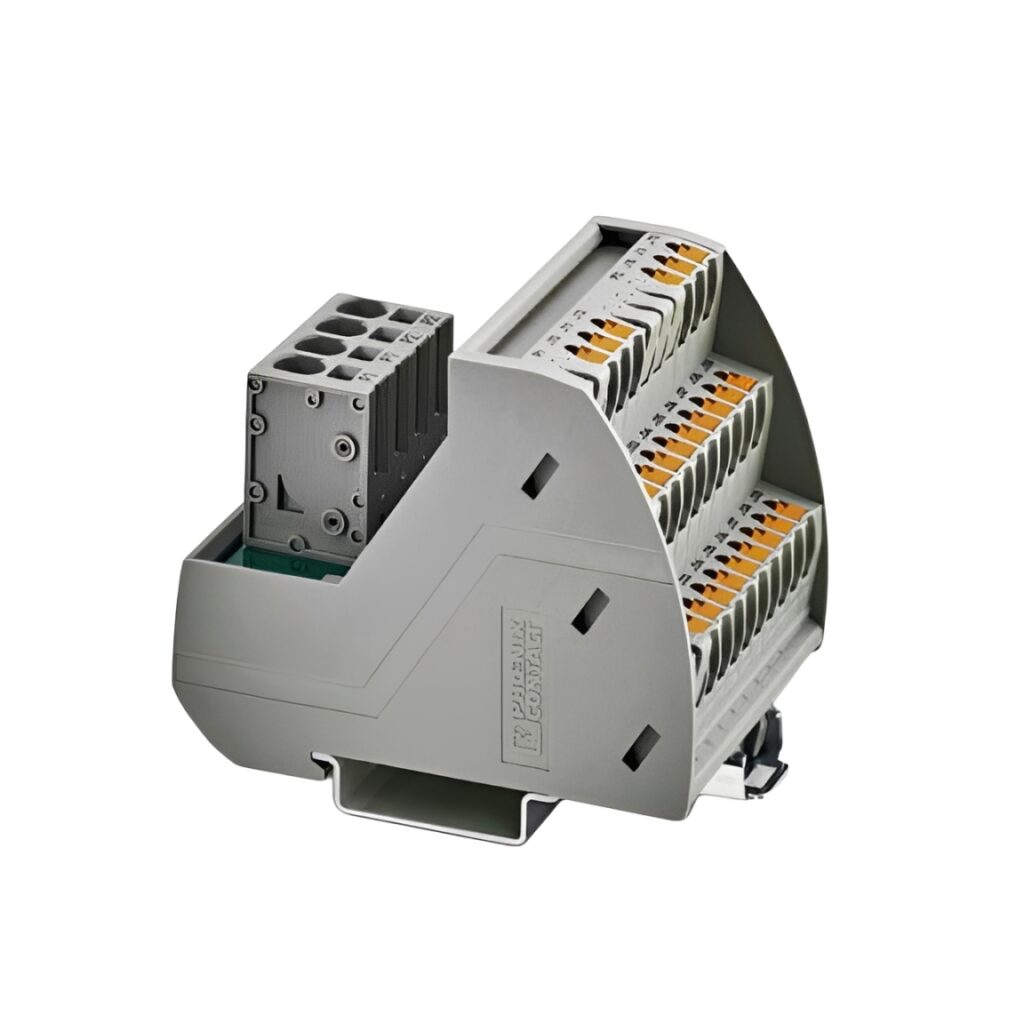
Power Distribution
Introduction
Power Distribution is one of the most critical functions in any electrical environment. It is the organised method of transferring electrical power from a primary source to the systems, circuits, and equipment that depend on it every day. Whether the setting is a home, office, warehouse, factory, hospital, or transport facility, Power Distribution ensures electricity is available where it is needed and delivered in a controlled way.
The importance of Power Distribution has grown significantly as modern buildings and industries rely on more connected devices, automated systems, and sensitive equipment. A stable supply of power is no longer enough on its own. Electricity must also be routed correctly, protected from faults, balanced across loads, and monitored for long term efficiency. That is why Power Distribution sits at the centre of safe and dependable electrical design.
This article presents a fresh and fully unique discussion of Power Distribution, focusing on how it supports electrical performance, why it matters in modern infrastructure, and what makes an effective distribution system work successfully.
What Is Power Distribution?
Power Distribution is the stage of the electrical network that delivers electricity from the supply point to the final loads that consume it. Once electrical energy has been generated and transmitted, it enters a system where it must be divided into circuits, controlled at different voltage levels, and protected through dedicated devices before reaching end use equipment.
In simple language, Power Distribution turns a large incoming supply into a practical and safe source of energy for everyday use. It ensures that electricity can be used by lighting systems, industrial machinery, computers, medical devices, air conditioning units, communication systems, and countless other applications without creating instability or unnecessary risk.
This process is not only about movement of power. It is also about structure, safety, control, and efficiency. A properly designed Power Distribution arrangement helps electrical systems perform with greater consistency and resilience.
Why Is Power Distribution Important?
Power Distribution is important because electrical power must be managed carefully to support reliable operation. If power is delivered without planning or proper protection, the result can include overloaded circuits, equipment breakdown, voltage imbalance, wasted energy, and unsafe conditions.
A strong Power Distribution system helps organisations and property owners maintain confidence in their electrical infrastructure. It supports both day to day performance and long term durability. This matters even more in settings where downtime can interrupt services, reduce productivity, or create serious operational problems.
The value of Power Distribution can be seen in several practical outcomes:
- Improved electrical safety
- Better protection for connected equipment
- More stable performance under changing load conditions
- Easier fault isolation and system maintenance
- Greater energy awareness and operational control
- Stronger support for future expansion
Because of these advantages, Power Distribution is a key part of every effective electrical strategy.
How Does Power Distribution Operate?
Power Distribution begins when electricity enters a building, facility, or local network from a source such as a utility supply, generator, solar energy system, or backup arrangement. From there, the electrical flow moves through a structured pathway that adjusts, divides, and routes power according to the needs of the environment.
The process generally includes receiving the incoming supply, transforming voltage where necessary, distributing power through switchboards or panels, and protecting each branch circuit with suitable devices. Finally, the electricity reaches the loads that require power for normal operation.
This organised structure gives operators greater control over the electrical network. It allows faults to be contained, sections to be isolated for maintenance, and loads to be managed more effectively. Instead of treating the electrical supply as one continuous line, Power Distribution breaks it into purposeful sections that improve both safety and performance.
Main Components in Power Distribution
Transformers
Transformers are used to adapt voltage levels so that electricity can be used safely and efficiently. High incoming voltage may need to be stepped down for commercial or residential applications, while some industrial uses require specific voltage conditions.
Switchboards
Switchboards act as central points for receiving and dividing incoming power. They direct electricity into multiple circuits and often include control and protection functions.
Distribution Panels
Distribution panels help distribute electricity across smaller zones, departments, or circuit groups. They make it easier to manage the flow of power in a building or facility.
Circuit Breakers and Fuses
These devices provide essential protection against overloads and short circuits. They help prevent damage by interrupting power flow when abnormal conditions occur.
Busbars
Busbars provide an efficient method of carrying large currents within electrical assemblies. They are often used where reliable high capacity distribution is needed.
Cables and Connectors
Cables and connectors link the components of the Power Distribution network. Their quality and proper installation are important for maintaining safe and dependable operation.
Monitoring Systems
Modern Power Distribution systems often include monitoring tools that track consumption, detect unusual trends, and improve visibility into how energy is being used across the system.
Where Is Power Distribution Used?
Power Distribution is used across nearly every sector because electricity supports almost every part of modern life and business activity.
Residential Settings
Homes rely on Power Distribution to supply electricity for lighting, refrigeration, heating, cooling, cooking equipment, home entertainment, and digital devices. A safe layout is essential for comfort and protection.
Commercial Buildings
Office spaces, retail stores, hotels, and educational institutions depend on Power Distribution for communication systems, lighting, HVAC equipment, security systems, and daily operations.
Industrial Facilities
Industrial environments place high demands on Power Distribution because they often operate motors, conveyors, automation systems, machinery, and control equipment that require stable and protected power.
Healthcare Facilities
Hospitals and medical centres require highly dependable Power Distribution because essential equipment must remain active without interruption. Electrical continuity in these environments is closely linked to patient care and safety.
Data and Technology Environments
Server infrastructure, communication networks, and digital systems require stable electrical delivery. Power Distribution in these environments often includes careful monitoring, load planning, and backup coordination.
What Makes an Effective Power Distribution System?
An effective Power Distribution system is one that balances safety, performance, efficiency, and adaptability. It must be designed with a clear understanding of present electrical demand while also allowing room for future growth.
Important qualities of a successful system include:
- Correct sizing for loads and circuits
- Reliable protective devices
- Clear circuit separation and accessibility
- Strong quality of installation materials
- Ongoing inspection and maintenance
- Accurate monitoring of energy use
- Compliance with electrical standards and regulations
When these elements are present, Power Distribution becomes more than a supply method. It becomes an active tool for maintaining operational quality and reducing risk.
How Does Power Distribution Support Energy Management?
Power Distribution contributes to better energy management because it allows electricity to be measured, routed, and analysed more effectively. When power is distributed intelligently, operators can understand which areas consume the most energy, where losses may be happening, and how loads can be balanced more efficiently.
This supports:
- Reduced energy waste
- Better planning of electrical capacity
- Improved equipment performance
- Faster detection of abnormal consumption
- Smarter maintenance and upgrade decisions
As organisations place greater focus on sustainability and cost control, Power Distribution becomes a major part of responsible energy planning.
Conclusion
Power Distribution is essential for converting electrical supply into safe, practical, and efficient energy for real world use. It provides the framework that allows buildings, machines, and critical systems to operate with confidence and consistency. Without it, electrical infrastructure would be difficult to control, protect, or expand.
From homes and workplaces to industrial plants and high demand digital environments, Power Distribution supports safety, stability, and performance at every level. As the need for reliable electricity continues to increase, Power Distribution will remain one of the most important foundations of modern electrical systems.