The visibility of a brand relies on the purity, consistency, and control over presentation. In the contemporary markets, visual identifiers should be applicable across surfaces, weather, and applications without deformation. Custom Decals satisfy this need by enabling brands to have recognition wherever the message is displayed. These marks do not use language to represent profession, be it in storefront glass or industrial equipment. The choice of materials, adhesive quality, and color validity determine the perspectives of a brand in the long run. Long-term value-oriented businesses are interested in the solutions that are not easily fading or peeling. The technique of decal production translates to planning and not ornamentation. Each application has its purpose, informational or promotional. Decals used with caution enhance credibility, aid communication, and add to brand construct in a competitive world.
Brand Identity
The visuals determine the way the viewers identify and recall a company. Decals are the points of reference that are not repeated and are visible. In the right hands, logos, symbols, and typography are preservative. Organizations with large-scale distribution and the need to have identical presentations in several locations are served with the help of customized decals wholesale. Such a strategy enables the marketing departments to maintain graphical consistency without having to incur repetitive redesign expenses. Lasting power contributes to defending the brand image, as battered graphics are indicative of disregard. The familiarity is stimulated by consistent size and placement. With time, this information forms familiarity that does not seem coerced but builds confidence between the brand and consumers.
Material Selection
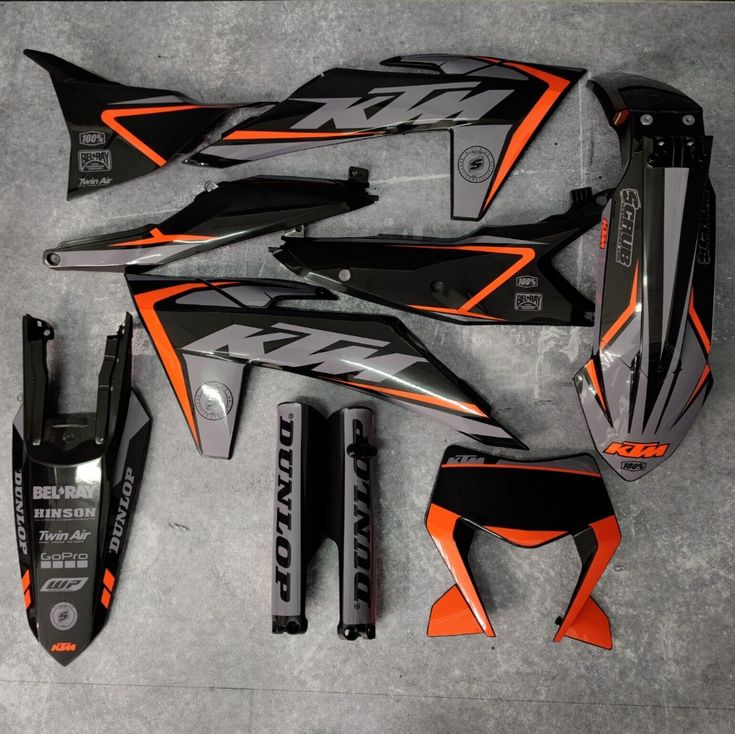
Appearance should not be the only factor on which performance is judged. The density of the vinyl, adhesive formulation, and compatibility with the surface influence the appearance of the decal when exposed to stress. Custom decals for motorcycles are done based on flexible yet strong engineered materials. The interior space requires smooth finishes, whereas the exterior space exposes the material to moisture and temperature fluctuations. The improper substrate causes curling or discolouration. To prevent the occurrence of early failure, professionals assess conditions before production. Thickness and finish are two elements that add to their lifespan and readability, respectively. Matte lowers glare, gloss increases color saturation. Every decision is an indication of practical thought and not aesthetic value, which does not compromise the purpose of the decal.
Accuracy Focus
The effectiveness of visual communication is based on precision. The matching of colors, sharpness of lines, and proportional scaling are important when the decals are used as the brand. Custom-printed decals are based on calibrated equipment to achieve consistency with batches. Minor deviations undermine the recognition and diminish the effect. Printing resolution will make the text readable even at smaller sizes. Ink adhesion influences the durability, so it does not smudge or fade away. Before release, quality control processes are done to ensure alignment and saturation. Such attention to detail because professional work is differentiated from temporary solutions. It is about the right production, which is credible, and is what can be seen as the final output conforming to the intended design and not variation.
Process Reliability
Regularity in the implementation is dependent on an organized workflow. Printing of custom decals is applied through standard phases, which minimize mistakes and wastage. Design checking is used to make sure that it works with materials. Scale and color expectations are proven. Output is not contaminated by controlled printing environments. Cutting accuracy ensures that edges are clean in order to be adhesive. The stages add credibility to the end product. Omitting processes poses a performance risk. Partners are beneficial to businesses because they do not view decals as unnecessary articles of beauty. As part of defending timelines, budgets, and brand standards, reliable processes ensure the use of disciplined production methods.
Depth Customization
Flexibility will enable the brands to satisfy multiple demands without losing their identity. Custom-made decals facilitate custom sizing, shapes, and finishes in accordance with precise surfaces. This allows it to be used in equipment, packaging, or even in architectural elements. Strategic customization takes into consideration the distance, lighting, and user interaction. A decal that must be viewed closely is different from one that is seen at high speed. Consideration makes every context clear. Relevance is enhanced by customization, and core visual language is maintained. Brands that invest in this model can realize functional congruence and not the disjointed display across various settings.
Recognition Tools
Logos serve as points of recognition. These symbols can be reproduced in several touchpoints with control over reproduction through Custom logo decals. Accuracy helps in safeguarding brand equity, and proportions and colors should not change. Placement strategy affects the perception, which connotes power or accessibility across situations. Adhesive power helps to put up displays without damaging surfaces. Removal properties are relevant in their branding or updating. Logos decals done well are a sign of reliability and competence. They act as identifiers and not ornaments and play a role in strengthening organizational presence by creating repetitive visual indicators that viewers become accustomed to.
Longevity Considerations
Return on investment is determined by durability. The process of environmental exposure, frequency of handling, and surface texture determine lifespan. Proper installation leads to the extension of its performance by avoiding air pockets and edge lifting. Surface treatment eliminates contaminants, which reduce the adhesion. Maintenance practices will ensure that the appearance is maintained without harming materials. These factors are considered in the process of selection by the businesses that have long-term use. Long life decreases the replacement supply and ensures brand consistency. Operation efficiency is promoted with the aid of decals that have endurance in mind. This attention creates decals to be reliable visual resources other than temporary graphics.
Conclusion
Custom Decals are designed as communication instruments, but not short-lived graphics. Their performance relies on planning, the integrity of the material, and the capability of the production discipline. Under a purposeful application, they help strengthen brand identity, facilitate recognition, and endure in different conditions. Both decisions have an impact on durability and perception, including the choice of adhesives and the quality of print. It is an advantage of businesses to have solutions that will not require regular substitution. Lasting decals guarantee investment and reputation. They are trusted to be useful components of the visual strategy through proper execution. Such a strategy is to ensure that branding is consistent, clear, and aligned with professional standards at all fronts and backgrounds.