Corteiz: The Rebel Code of Modern Streetwear
In an era where fashion houses spend millions engineering hype, Corteiz emerged like a whispered secret that grew into a global roar. It did not arrive with glossy billboards or celebrity endorsements carefully staged by corporate strategists. Instead, it built its identity through exclusivity, coded messaging, and a fierce loyalty to its community. Founded in London by Clint419, Corteiz—often stylized as CRTZ—quickly became more than a clothing label. It transformed into a movement that challenged the very rules of fashion marketing and distribution.
Corteiz operates on a simple but radical principle: if you know, you know. This philosophy has cultivated an aura of mystery around the brand, drawing in a generation that values authenticity over accessibility. Unlike mainstream labels that chase mass appeal, Corteiz thrives on selective drops, password-protected websites, and guerrilla-style pop-ups that feel more like underground gatherings than retail events. Its refusal to conform to traditional fashion structures is not accidental; it is a deliberate stance against overexposure and dilution.
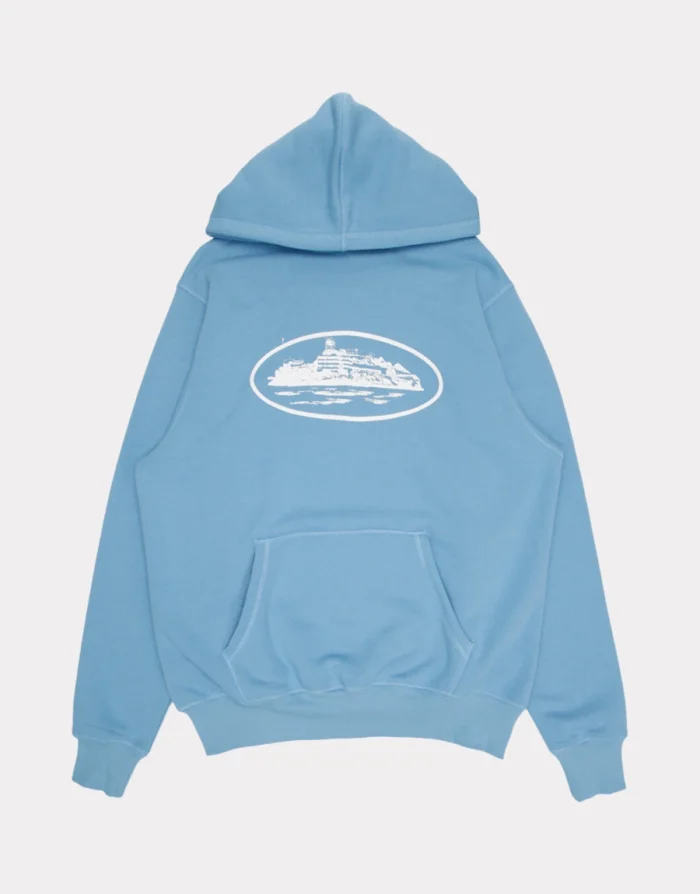
The Meaning Behind the Alcatraz Logo
One of the most recognizable elements of Corteiz is its Alcatraz logo. The image of the infamous prison island is not merely a graphic choice—it is a symbol of rebellion and liberation. Alcatraz Island represents confinement, authority, and restriction. By reclaiming this symbol, Corteiz flips its meaning. It suggests breaking free from societal limitations, escaping industry norms, and rejecting imposed boundaries.
The logo resonates deeply with young people who often feel boxed in by expectations. Whether those expectations stem from social class, education, or cultural stereotypes, Corteiz positions itself as a brand for those determined to carve their own path. The Alcatraz imagery becomes a badge of defiance—an emblem worn proudly on hoodies, cargos, and jackets as a statement of independence.
This symbolism also aligns with the brand’s controlled scarcity. Just as Alcatraz was isolated and difficult to access, Corteiz pieces are intentionally hard to obtain. The challenge of securing an item adds emotional value, turning each purchase into a small victory.
The Power of Scarcity and Strategy
Corteiz has redefined how hype is generated in streetwear. Rather than flooding the market, it releases limited quantities at unpredictable times. Passwords to access new drops are often shared cryptically on social media, rewarding loyal followers who stay alert. This approach transforms shopping into an interactive experience.
Scarcity, when executed thoughtfully, creates desire. But Corteiz goes further by blending scarcity with community engagement. Its pop-up events have become legendary—sometimes announced at the last minute, drawing massive crowds who rush to specific city locations. These gatherings feel less like commercial transactions and more like cultural moments.
This strategy stands in stark contrast to global giants such as Nike or Adidas, whose scale demands widespread distribution. Corteiz intentionally avoids overexpansion, preserving its underground credibility. By doing so, it maintains a sense of ownership among its supporters. Customers do not just buy Corteiz—they feel part of its inner circle.
London Roots, Global Reach
Corteiz is undeniably a product of London. The city’s multicultural energy, grime music scene, and unapologetic street style have all shaped its aesthetic. London has long been a hub for subcultures that challenge convention, from punk to drill. Corteiz taps into this lineage of rebellion.
Yet while its spirit is rooted in the UK capital, its influence stretches far beyond. Social media has amplified its presence, allowing fans across Europe, North America, and beyond to engage with the brand’s drops and messaging. International recognition has grown organically, driven by word-of-mouth and viral moments rather than traditional advertising campaigns.
This global reach without mainstream compromise is rare. Many brands lose their original essence as they scale. Corteiz, however, has managed to expand while remaining fiercely protective of its core identity. It treats growth not as a race, but as a carefully controlled evolution.
The Aesthetic: Utility Meets Attitude
Corteiz’s clothing reflects a balance between functionality and bold identity. Cargo pants with multiple pockets, heavyweight hoodies, technical jackets, and graphic tees dominate its collections. The pieces are practical—designed for everyday wear—but infused with attitude.
Earthy tones often define its palette, reinforcing a grounded, utilitarian feel. At the same time, striking logos and slogans add a layer of confrontation. The designs do not whisper; they declare. Yet they never feel forced. The branding integrates seamlessly into the garment, ensuring that each item carries the Corteiz DNA without appearing overdesigned.
What sets Corteiz apart aesthetically is its refusal to chase fleeting trends. While fashion cycles move rapidly, Corteiz maintains consistency. This consistency builds trust. Supporters know what the brand stands for, visually and philosophically.
Community Over Consumers
Perhaps the most compelling aspect of Corteiz is its relationship with its audience. In many ways, it functions less like a brand and more like a collective. Social media interactions feel personal rather than corporate. Announcements are direct, sometimes playful, sometimes confrontational—but always authentic.
Corteiz’s events often prioritize community participation. Instead of polished runway shows, it hosts street-level activations where fans line up for hours, bonding over shared enthusiasm. These moments create memories tied to the brand, deepening emotional loyalty.
This approach challenges the transactional nature of modern retail. Rather than viewing customers as numbers on a sales report, Corteiz treats them as collaborators in its narrative. The brand grows because its community believes in it, not because it bombards audiences with advertisements.
Disruption as a Business Model
Corteiz thrives on disruption. It disrupts marketing by avoiding conventional campaigns. It disrupts retail by limiting access. It disrupts fashion hierarchies by proving that cultural relevance can outweigh corporate budgets.
This disruptive mindset extends to collaborations as well. When Corteiz Cargo partners with other entities, it does so on its own terms, ensuring alignment with its ethos. Every move feels intentional, reinforcing the idea that the brand answers to its community first.
In a landscape saturated with influencer endorsements and algorithm-driven trends, Corteiz’s unpredictability feels refreshing. It reminds the industry that authenticity cannot be manufactured overnight. It must be cultivated, protected, and sometimes fiercely guarded.
The Psychology of Belonging
Corteiz’s appeal lies not only in its design or strategy, but in the psychology of belonging. Humans crave connection and identity. Wearing Corteiz signals membership in a select group—individuals who understand the brand’s codes and appreciate its philosophy.
This sense of exclusivity does not alienate; it unites. Those who secure a Corteiz piece often feel a deeper attachment because they worked for it—waiting for drop announcements, decoding hints, and sometimes racing through city streets to reach a pop-up location.
Such experiences create stories. And stories strengthen bonds. When someone wears Corteiz, they are not just wearing fabric; they are wearing a memory of participation.