Introduction
Why oval conduit matters in modern installations
Today’s spaces carry more electronics than ever, from LEDs and chargers to sensors, controllers, and network points. As wiring density increases, cable management becomes a safety and maintenance issue, not only an appearance choice. Oval conduit helps you keep cables organised, reduce snag risks, and make future changes simpler.
What is Schneider Oval UPVC Conduit?
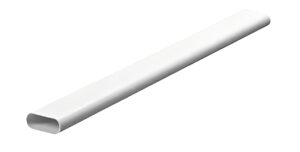
Schneider Oval UPVC Conduit is a rigid, non metallic uPVC containment system with an oval profile. The shape provides practical surface coverage while helping cables stay protected from abrasion and minor impacts. Because uPVC is insulating, it adds an extra layer of protection around correctly selected and installed conductors.
Where it is typically used
Oval conduit is commonly used for internal surface wiring where you want defined cable routes and easy access.
Typical applications include:
-
Feeding switches and socket outlets in visible areas
-
Routing lighting circuits and drops for LEDs
-
Running low voltage wiring for sensors, alarms, and control inputs
-
Protecting cables around workshops and service areas
-
Managing mixed circuits entering small enclosures and back boxes
Key benefits for safety, durability, and a neat finish
A good conduit system improves safety while supporting quicker maintenance. Schneider Oval UPVC Conduit offers practical benefits that suit everyday wiring.
Low profile routing that looks cleaner
The oval profile sits flatter against surfaces, so surface runs can look more discreet. This matters in offices, retail spaces, and residential upgrades where appearance influences decisions.
Protection for cable insulation and terminations
Cables that feed switches, junctions, and equipment can be damaged by knocks or vibration. Conduit reduces exposure, supports controlled bending, and helps guide cables into boxes without scuffing.
Non metallic material and reduced corrosion concerns
uPVC does not rust, which is useful in utility rooms and damp prone areas. It also avoids issues linked to mixed metals in some installations.
Easier upgrades and troubleshooting
When cables are contained and routes are consistent, it is easier to trace circuits during testing. That helps when you add new runs for sensors, replace a faulty switch, or extend a circuit feeding electronics, microcontrollers, or other control modules.
Performance considerations in real environments
Choosing containment is about matching conditions to the material. uPVC is light, rigid, and easy to cut, which supports faster fitting. However, heat and grouping still matter. Keep sensible clearance from hot equipment and avoid tight bundles where cables carry higher loads, because heat build up can affect performance.
For thermal control, keep space around thermal pads and drivers, and leave access for laptops used in testing and commissioning.
If equipment is exposed to dust or light oils, keep entries neat and wipe surfaces before fixing so clips and joints stay secure.
Installation best practices for a professional result
A clean install comes from planning, consistent fixing, and careful cable handling. Short, steady steps reduce rework and improve safety.
Plan the route and separation
Mark straight lines and keep consistent heights. Where possible, separate mains runs from sensitive signal wiring used for sensors and electronics. This can help reduce noise issues in control circuits, especially where controllers, microprocessors, or laptop based test tools are used during commissioning.
Cut, deburr, and dry fit
Use suitable tools for straight cuts and deburr edges to protect cable sheaths. Dry fit bends and couplers to confirm alignment before final fixing, then keep joints square for a clean finish. Use fixings with secure grips so the conduit stays aligned.
Fixing, support, and cable fill
Use the right clip type for the surface and keep spacing even to prevent bowing. Do not overfill the conduit, as tight pulls can damage insulation and make later additions difficult. Leave space for bends and for any future cable you expect to add.
Good grip on fixings, tidy bends, and consistent entry points also help inspections.
Choosing sizes and compatible accessories
For best results, select a complete, compatible system. Think about cable count, bend requirements, and entry points into boxes and enclosures.
A practical checklist:
-
Cable sizes and quantity, including room for expansion
-
Bends, couplers, and adapters needed for corners and transitions
-
Entry method into back boxes, trunking, or enclosures
-
Access needs for testing and maintenance
-
Consistent layout across rooms and zones
In control focused areas with contactors, fuses, and switches, planning separate routes for power and signal can simplify fault finding and support stable operation.
Use cases that make the product relevant
Schneider Oval UPVC Conduit is especially relevant when you need surface wiring that is neat, protected, and easy to adapt.
It works well for:
-
Domestic upgrades, garages, and utility rooms
-
Equipment feeds where a capacitor or small module needs protected cabling
-
Commercial fit outs where visible cable routes must look tidy
-
Workshops where cables feed tools, benches, and test points
-
Small panels and equipment zones with electronics, connectors, and control wiring
Final thoughts
Schneider Oval UPVC Conduit is a strong option when you want organised surface wiring with a low profile finish and dependable cable protection. With sensible route planning, correct fixing, and compatible accessories, it supports safer, more maintainable installations across domestic, commercial, and light industrial settings.