Early diagnosis plays a critical role in how thyroid cancer is treated and managed. In many cases, symptoms appear mild or develop gradually, which can lead people to delay medical evaluation. Such delays may increase treatment complexity and affect recovery timelines. In a city with access to advanced diagnostic services and specialist care, early detection enables doctors to plan timely, focused treatment. Understanding the importance of early diagnosis helps individuals recognise warning signs sooner and supports better outcomes linked to thyroid cancer treatment in Mumbai.
Understanding Thyroid Cancer and the Importance of Early Detection
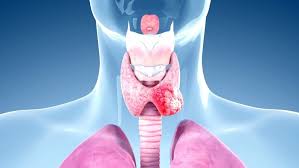
Thyroid cancer develops in the thyroid gland, located at the front of the neck and responsible for regulating essential hormones that influence metabolism, energy levels, and body temperature. The condition often begins as a thyroid nodule, which may not cause pain or obvious discomfort in the early stages. Many thyroid nodules are benign, but some can develop into cancer over time.
The behaviour of thyroid cancer varies by type. Certain forms grow slowly and remain confined to the gland for long periods, while others may spread to nearby tissues or lymph nodes more quickly. When a diagnosis is made at a later stage, treatment may require more extensive surgery or additional therapies.
What Early Diagnosis Means in Thyroid Cancer Care
Early diagnosis refers to identifying thyroid cancer while it remains limited to the thyroid gland and before it affects surrounding structures. Doctors begin by evaluating symptoms, reviewing medical history, and assessing known risk factors. Based on this assessment, they recommend targeted investigations to clarify whether a thyroid change requires treatment.
Diagnostic Methods Used for Early Detection
Several clinical tools support early diagnosis:
- Blood tests to assess thyroid hormone levels and overall gland function
- Ultrasound scans to examine the size, structure, and characteristics of thyroid nodules
- Fine needle aspiration biopsy to analyse thyroid cells under a microscope
When these investigations are conducted promptly, doctors can more confidently distinguish between benign conditions and cancer. This clarity enables earlier treatment decisions and a lower risk of complications.
How Early Diagnosis Influences Treatment and Recovery
The stage at which thyroid cancer is diagnosed directly affects how treatment is planned and delivered. Early-stage disease is often confined to the thyroid gland, allowing for more focused surgical approaches. In such cases, surrounding tissues are more likely to be preserved, and the need for additional therapies may be reduced.
When diagnosis is delayed, treatment may require more complex surgery, more extended hospital stays, or additional interventions. Early identification supports a streamlined treatment pathway and contributes to more consistent outcomes in thyroid cancer treatment in Mumbai.
Impact on Treatment Planning
When thyroid cancer is detected early, doctors can design treatment plans based on tumour size, location, and cellular characteristics. This precision helps avoid unnecessary interventions and supports balanced hormone management after treatment. Early planning also allows for clearer discussions with patients about expected outcomes and follow-up care.
Effect on Recovery and Daily Life
Recovery is more manageable when treatment begins early. Patients often experience shorter hospital stays and more predictable recovery timelines. Structured follow-up schedules help individuals gradually resume daily activities, reducing disruption to work, family life, and overall routines. Clear expectations also help reduce anxiety during recovery.
Symptom Awareness, Location, and Long-Term Monitoring
Early diagnosis depends not only on medical services but also on awareness and timely evaluation. Thyroid cancer symptoms often develop slowly and may resemble common thyroid conditions.
Importance of Symptom Awareness and Timely Evaluation
Common early signs may include a persistent lump in the neck, voice changes, difficulty swallowing, or unexplained discomfort in the throat area. Because these symptoms can appear subtle, they may be overlooked. Individuals with risk factors such as a family history of thyroid disease or prior exposure to neck radiation benefit from regular medical review. Seeking timely advice when symptoms appear supports early diagnosis and effective care planning.
Role of Mumbai’s Healthcare Environment
Mumbai offers access to comprehensive diagnostic facilities and coordinated cancer care teams. Imaging specialists, pathologists, surgeons, and endocrinologists work together to assess disease stage accurately and plan treatment accordingly. When thyroid cancer is detected early, patients can fully benefit from this integrated care environment. Treatment decisions are guided by clinical assessment rather than disease progression, supporting consistency and clarity throughout care.
Long-Term Monitoring After Early Treatment
Early diagnosis also supports effective long-term monitoring. After treatment, doctors establish follow-up plans to assess thyroid hormone levels and detect any signs of recurrence. Monitoring is more straightforward when treatment begins early, as baseline recovery is clearer and changes are easier to interpret. Patients who stay engaged in follow-up care often maintain better long-term health stability.
Conclusion
Early diagnosis influences every stage of thyroid cancer care, from treatment planning to recovery and long-term follow-up. When identified early, treatment remains focused, recovery is more predictable, and ongoing monitoring is easier to manage. In a city with access to advanced diagnostics and specialist teams, recognising symptoms and seeking timely evaluation makes a meaningful difference. Awareness and early action remain central to improving outcomes in thyroid cancer treatment in Mumbai.