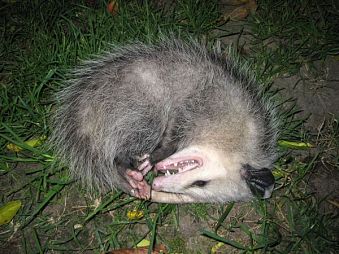
Finding a dead animal inside your home is distressing and creates serious health hazards. The smell, bacteria, and pest problems that follow make it a situation you want to avoid at all costs. Whether you’re dealing with possums, rats, birds, or other wildlife, prevention is always better than dealing with Dead Animal Removal South Yarra or anywhere else across Melbourne. By taking proactive steps to stop animals entering your property in the first place, you can avoid the unpleasant experience of discovering deceased wildlife in your walls, roof, or under your house.
Understanding Why Animals Enter Homes
Animals don’t deliberately come into your house to die. They’re usually seeking shelter, warmth, food, or a safe place to nest. Unfortunately, once inside, they can become trapped, injured, or poisoned, leading to their death in inaccessible areas. This is a common problem for Dead Animal Removal Reservoir services and throughout Melbourne’s suburbs. Understanding why animals are attracted to your property helps you take targeted prevention measures.
Australian homes are particularly vulnerable because our native wildlife like possums, rats, mice, and various bird species actively seek out roof spaces and wall cavities. These areas provide perfect nesting conditions with warmth, darkness, and protection from predators.
Inspect Your Property Regularly
The first step in prevention is knowing your property’s weak points. Walk around your entire house at least twice a year, looking carefully at the roof line, eaves, vents, and foundation. Look for gaps, cracks, holes, or damaged areas where animals might squeeze through.
Pay special attention to where different building materials meet. The junction between your roof and walls, where pipes enter the house, and around windows and doors are common entry points. Even small gaps matter because mice can fit through holes the size of a ten-cent coin, and rats can squeeze through spaces as small as twenty-cent pieces.
Use binoculars to check your roof from the ground if climbing up isn’t safe. Look for missing or damaged tiles, gaps in fascia boards, and holes in soffits. Document any problems you find with photos so you can track repairs.
Seal Entry Points Effectively
Once you’ve identified potential entry points, seal them properly. Different areas require different materials and approaches. For small gaps and cracks in walls, use expanding foam or caulk. However, these materials won’t stop determined rodents who can chew through them, so use them only for areas rats and mice can’t reach.
Steel wool combined with caulk works brilliantly for small holes that rodents might exploit. Push steel wool firmly into the gap, then seal it with caulk. Rodents won’t chew through steel wool because it hurts their mouths and damages their teeth.
For larger holes, use metal mesh or hardware cloth with holes no bigger than six millimetres. Cut the mesh to size, secure it firmly with screws or nails, then seal the edges with weatherproof caulk. This creates a barrier that animals can’t penetrate.
Roof ventilation requires special attention because you need airflow whilst keeping animals out. Install vent guards or screens made specifically for this purpose. These allow air circulation but prevent animal entry. Check that existing vent screens haven’t developed holes or come loose.
Maintain Your Roof and Gutters
Your roof is often the primary entry point for possums, rats, and birds. Overhanging tree branches create highways for animals to access your roof easily. Trim branches so they’re at least two metres away from your house. This distance stops most animals from jumping across.
Keep gutters clean and in good repair. Blocked gutters hold water that attracts animals looking for drinking sources. They also create perfect nesting spots for birds and provide easier access to roof spaces through rotted fascia boards.
Replace damaged or missing roof tiles immediately. Even one broken tile creates an entry point. Check your roof after storms or high winds because these events often dislodge tiles or create new gaps.
Repair any rusted or damaged flashing around chimneys, vents, and skylights. These metal strips prevent water entry but also stop animals when they’re in good condition. Use metal flashing rather than plastic because it’s more durable and harder for animals to damage.
Manage Your Garden and Yard
Your garden can either attract or deter wildlife. Food sources are the biggest attractant. If you have fruit trees, pick fruit regularly and clean up fallen fruit promptly. Rotting fruit on the ground attracts possums, rats, and birds.
Don’t leave pet food outside overnight. Bring pet bowls inside after feeding times. Even small amounts of leftover food attract rodents and other animals. If you must feed pets outside, do it during daylight hours and remove bowls immediately after pets finish eating.
Compost bins need secure lids and should be rodent-proof. Avoid putting meat, dairy, or cooked food in compost because these attract rats and other scavengers. Turn your compost regularly and keep it away from your house walls.
Wood piles stacked against your house create perfect habitat for rats, mice, and snakes. Store firewood at least five metres from your house and raise it off the ground on pallets. This reduces shelter options and makes your property less attractive to wildlife.
Secure Potential Nesting Sites
Possums are protected in Australia, which means you can’t harm them, but you can prevent them nesting in your roof. Once you’re certain no possums are currently living in your roof space, seal all entry points during daylight hours when possums are sleeping in trees.
Install possum nest boxes in trees away from your house. This provides alternative accommodation and reduces the likelihood of possums trying to enter your roof. Position boxes three to four metres high on tree trunks, facing away from prevailing winds.
Check under your house regularly if you have a raised floor. Block access points around stumps and piers. Ensure crawl space vents have intact screens. Animals that die under houses create terrible odours that penetrate living areas above.
Chimneys need properly fitted chimney caps or guards. These prevent birds, possums, and bats from entering whilst still allowing smoke to escape. Make sure the mesh is fine enough to exclude small birds but won’t block airflow.
Monitor and Maintain Prevention Measures
Prevention isn’t a one-time job. Weather, building movement, and general wear can create new entry points. Schedule regular inspections every three to six months. After storms, strong winds, or when you notice increased animal activity around your property, do an extra check.
Keep records of repairs and when you completed them. This helps you track problem areas and plan future maintenance. Take photos of sealed entry points so you can compare them during future inspections.
Watch for signs of animal activity like droppings, scratch marks, gnaw marks on wood or wires, greasy rub marks along walls, and unusual noises in walls or roof spaces. Early detection means you can address problems before animals establish themselves or die inside your home.
Additional Prevention Strategies
Motion-activated lights around your property’s perimeter deter nocturnal animals. Position them near potential entry points and areas where you’ve noticed animal activity. The sudden light startles animals and makes them feel exposed to predators.
Ultrasonic devices claim to repel rodents and other animals, but results vary. Some people find them effective whilst others see no difference. If you try these devices, use them alongside physical barriers rather than as your only prevention method.
Keep your property tidy. Cluttered areas provide hiding spots and shelter for animals. Store items in sealed containers rather than cardboard boxes that rodents can chew through. Reduce ground cover near your house foundations.
When Prevention Isn’t Enough
Despite best efforts, animals sometimes still find their way inside. If you hear scratching, scurrying, or smell unusual odours, investigate immediately. Quick action prevents animals becoming trapped and dying in inaccessible locations.
Never use poison baits inside your roof or walls. Poisoned animals often retreat into wall cavities or other enclosed spaces to die, creating exactly the problem you’re trying to avoid. If you must control rodents, use traps you can check and empty regularly.
Conclusion
Preventing dead animals from entering your house requires ongoing vigilance and maintenance. Regular inspections, prompt repairs, and good property management significantly reduce the risk of wildlife entering and dying inside your home. The time and effort spent on prevention is far less than dealing with dead animal removal and the associated health hazards, odours, and property damage. Make prevention part of your regular home maintenance routine, and you’ll enjoy a wildlife-free home whilst allowing Australian animals to thrive safely in their natural habitats.