Reducing stress during medical appointments is a critical component of patient-centered care and health outcomes. Medical visits, whether routine checkups or specialized consultations, can provoke anxiety for many individuals due to uncertainty, fear of results, communication barriers, and unfamiliar clinical environments. Chronic stress in these contexts can negatively influence patient engagement, decision‑making, physiological responses, and adherence to treatment recommendations. This article provides a thorough, evidence‑anchored examination of proven strategies to mitigate stress during medical appointments, with specific attention to relevant clinical considerations such as adaptive clothing for specific patient populations and understanding baseline markers of health like the signs of a good heart.
The Nature and Impact of Appointment‑Related Stress
Stress during medical encounters is a biopsychosocial phenomenon. Physiologically, stress activates the hypothalamic‑pituitary‑adrenal (HPA) axis and sympathetic nervous system, increasing cortisol and adrenaline levels, which can elevate heart rate and blood pressure. Psychologically, uncertainty about diagnostic outcomes, fear of pain or procedures, and past negative healthcare experiences compound stress responses. Social factors—such as communication barriers with clinicians, perceived judgment, or time pressures—further amplify discomfort. When stress is unaddressed, it can compromise patient recall, informed consent, treatment adherence, and overall satisfaction with care.
Why Reducing Stress Matters
Stress reduction in clinical settings is not merely about comfort; it affects measurable health outcomes. High anxiety levels can:
- Skew vital sign measurements (e.g., white‑coat hypertension)
- Reduce accurate symptom reporting
- Decrease engagement in shared decision‑making
- Increase avoidance of necessary care
Addressing stress systematically promotes clinical accuracy, enhances the therapeutic alliance between patients and clinicians, and supports long‑term health behavior change.
Preparing for Medical Appointments: Practical Strategies
1. Advance Information and Expectation Setting
Patients benefit when they understand the structure and purpose of an appointment. Providing clear preparatory materials, including:
- What will be assessed or tested
- Expected duration
- Required actions (e.g., fasting, bringing medication lists)
These orienting strategies reduce anticipatory anxiety by reducing uncertainty.
2. Practical Tools: Adaptive Clothing Considerations
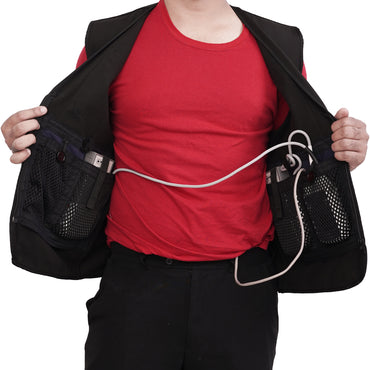
For patients with chronic conditions requiring medical devices (such as Left Ventricular Assist Devices, or LVADs), preparation includes more than paperwork. Functional and season‑specific apparel can support physical comfort and reduce procedural interruptions.
Specialized garments improve ease of access for device management, reduce exposure to cold environments, and minimize discomfort during transitions into clinical settings. Adaptive winter clothing contributes to thermoregulation and stress mitigation for device‑dependent patients. For example, tailored options such as LVAD clothing for winter from a specialized provider help maintain body temperature without compromising device access. These garments are designed to accommodate driveline exits, allow for secure attachment of equipment, and adapt to varied clinical assessments without repetitive undressing—thereby reducing stress associated with logistical preparation and environmental discomfort during appointments.
Behavioral and Cognitive Techniques
1. Mindfulness and Relaxation Training
Clinically validated techniques such as deep breathing, guided imagery, and progressive muscle relaxation engage the parasympathetic nervous system, counteracting stress physiology. These techniques are often integrated into preparatory routines and can be delivered via digital health platforms or coached during pre‑visit sessions.
2. Cognitive Framing and Reappraisal
Cognitive reappraisal helps patients reinterpret the clinical setting from a threatening to a neutral or positive context. For example, reframing an appointment as “an opportunity to optimize health” rather than “a test of performance” reduces threat perception and associated stress responses.
3. Structured Support and Advocacy
Presence of a support person (family member, caregiver, or professional advocate) has been shown to improve communication clarity and reduce emotional burden. Support persons can help patients articulate concerns, recall clinician instructions, and provide emotional buffering during stressful moments.
Communication Best Practices: Provider‑Driven Stress Reduction
Clinicians play a central role in modulating stress through communication. Evidence‑based practices include:
- Open‑ended questioning to elicit patient concerns without pressure
- Teach‑back methods to confirm comprehension
- Explicitly stating time available for questions to reduce rushed impressions
- Neutral, nonjudgmental language that promotes psychological safety
Clinician training in these competencies has been shown to reduce patient anxiety and improve perceived quality of care.
Recognizing Baseline Health Markers and Reducing Anxiety Around Results
Understanding objective markers of health can reduce patients’ fear of ambiguity. For example, the signs of a good heart represent clinically validated indicators of cardiovascular health. Resources such as evidence‑based guides on these markers can empower patients with a baseline understanding of what constitutes healthy function, reducing anxiety related to cardiovascular monitoring or test results. Providers can share educational materials that clarify expectations for heart rate, rhythm, exercise tolerance, blood pressure ranges, and symptom patterns, helping patients contextualize clinical feedback.
Common Mistakes in Managing Appointment‑Related Stress
Mistake 1: Overemphasis on Information Without Support
Providing informational brochures without coaching or clarification assumes health literacy that many patients do not possess. Tailored explanation and opportunities for questions improve comprehension and reduce stress.
Mistake 2: Ignoring Sensory and Environmental Factors
Clinical environments with bright lights, noise, or uncomfortable seating can reinforce stress responses. Addressing environmental comfort is a valid clinical priority.
Mistake 3: Failure to Incorporate Adaptive Tools
Underestimating the impact of specialized attire or equipment—such as unmanaged cold exposure for patients wearing medical devices—can lead to unnecessary discomfort. Proactive adaptation enhances the experience and supports clinical efficiency.
Conclusion
Stress during medical appointments is a multifaceted challenge that intersects physiological responses, cognitive appraisals, communication dynamics, and environmental factors. Reducing stress is essential not only for patient comfort but also for accurate clinical assessments, informed decision‑making, and long‑term engagement in health behaviors. By combining preparatory education, adaptive tools, psychological techniques, clinician communication best practices, and supportive environments, healthcare systems and patients can collaboratively diminish stress and enhance the effectiveness of every clinical encounter.
For patients with specific adaptive needs, including those living with implanted devices, practical considerations—such as optimized apparel and clear procedural expectations—are integral to reducing stress and supporting favorable health outcomes.
FAQs
- What are the most effective ways to psychologically prepare for a medical appointment?
Evidence supports structured preparation, including clarifying appointment goals, developing symptom summaries, and practicing relaxation techniques to reduce anxiety and improve engagement. - How does anticipatory stress physiologically affect medical evaluations?
Stress activates cortisol and catecholamine release, which can increase heart rate and blood pressure, potentially confounding diagnostic readings like blood pressure measurements. - Are there specialized clothing options that help patients with medical devices during clinical visits?
Yes. Adaptive clothing can facilitate device accessibility while maintaining comfort. Options like LVAD clothing for winter allow effective thermal regulation and clinical access in cold conditions, reducing procedural stress. - Why is support person involvement recommended during appointments?
Support persons enhance patient recall, ensure questions are addressed, and provide emotional buffering, which collectively reduces stress and improves satisfaction. - Can clinicians influence patient stress through communication?
Absolutely. Empathic, structured communication, teach‑back methods, and active listening reduce uncertainty and perceived threat. - How do educational resources on health indicators influence patient anxiety?
Understanding objective markers, such as signs of a good heart, contextualizes health data for patients, reducing fear of the unknown and empowering informed dialogue. - Should relaxation techniques be practiced immediately before a visit or long term?
Both. Acute techniques immediately before and during visits reduce physiological stress responses, while long‑term practice enhances baseline resilience.