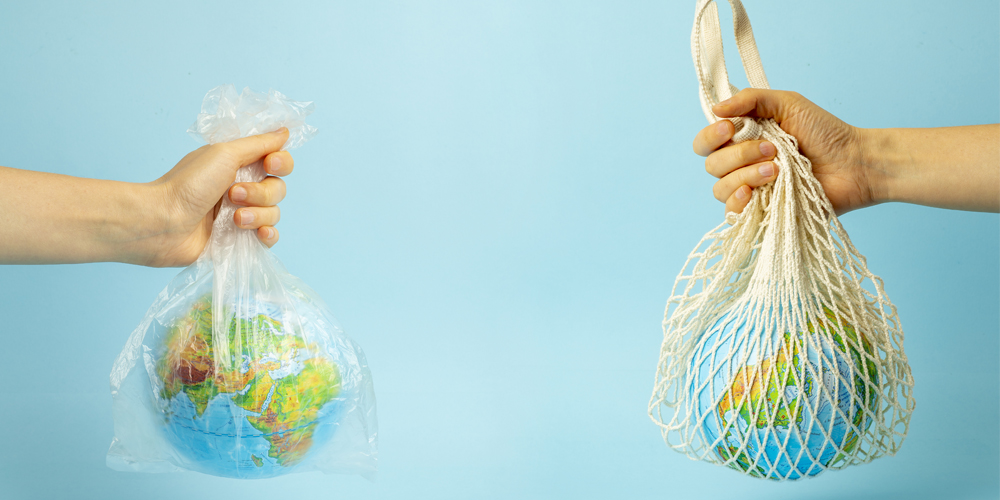
Plastic has quietly become part of everyday life in modern homes. From grocery packaging and kitchen storage to cleaning products and takeout containers, plastic is everywhere. While it offers convenience, its long-term impact on health and the environment can no longer be ignored. Today, more families are choosing to Reduce Single-Use Plastic as a meaningful step toward a cleaner, healthier lifestyle that supports both people and the planet.
The Growing Plastic Problem at Home
Households are one of the largest contributors to plastic waste. Disposable bags, wrappers, bottles, and packaging are often used for minutes but remain in the environment for centuries. When homes do not Reduce Single-Use Plastic, this waste accumulates rapidly in landfills and waterways. Over time, plastic breaks down into microplastics, which contaminate soil, water, and food systems, creating widespread environmental challenges.
Environmental Consequences of Plastic Waste
Plastic pollution has severe consequences for ecosystems. Marine animals mistake plastic for food, leading to injury or death, while land animals suffer from habitat contamination. Choosing to Reduce Single-Use Plastic helps limit pollution, preserve biodiversity, and protect natural resources. Small household changes, when adopted widely, can significantly slow environmental damage and support ecosystem recovery.
Health Risks Linked to Plastic Use
Beyond environmental harm, plastic also poses risks inside the home. Certain plastics release chemicals when exposed to heat or repeated use, which may affect human health over time. Families who Reduce Single-Use Plastic often switch to safer alternatives like glass, steel, and natural materials. These choices create healthier kitchens, reduce chemical exposure, and improve overall well-being.
Why Modern Homes Play a Key Role
Sustainability starts at home. Individual households may feel small, but collectively they shape consumer demand. When modern families Reduce Single-Use Plastic, they send a clear message to manufacturers and retailers. This shift encourages the development of sustainable packaging, reusable products, and environmentally responsible business practices across industries.
Simple Swaps That Make a Big Impact
Adopting sustainable habits does not require drastic lifestyle changes. Reusable shopping bags, refillable water bottles, cloth produce bags, and glass containers are easy replacements. These small steps help households Reduce Single-Use Plastic while maintaining comfort and convenience. Consistency matters more than perfection when building eco-friendly routines.
Saving Money Through Sustainable Living
Contrary to popular belief, sustainable choices can reduce household expenses. Reusable products last longer and eliminate repeated purchases of disposable items. Families who Reduce Single-Use Plastic often notice long-term savings through bulk buying, refilling, and reusing everyday essentials. Sustainability becomes both an environmental and financial benefit.
Teaching Children Responsible Habits
Children learn by example. Homes that prioritize sustainability help young family members understand the value of responsibility and care for nature. Encouraging kids to Reduce Single-Use Plastic builds awareness early and fosters lifelong eco-conscious habits. These lessons help shape a generation that values environmental stewardship and mindful consumption.
The Importance of Education and Community Support
Sustainable living becomes easier with guidance and shared knowledge. Green and Prosperous supports eco-conscious households by offering practical education, digital tools, and community resources. With the right information and encouragement, families feel empowered to Reduce Single-Use Plastic without feeling overwhelmed or uncertain.
Mindful Shopping and Conscious Consumption
Every purchase is a vote for the kind of world we want. Choosing products with minimal packaging and supporting ethical brands strengthens efforts to Reduce Single-Use Plastic. Conscious consumption shifts focus away from convenience toward responsibility, encouraging thoughtful decision-making that benefits both people and the environment.
Long-Term Benefits for Communities and the Planet
When households commit to sustainable practices, the collective impact is powerful. Communities that Reduce Single-Use Plastic experience cleaner surroundings, reduced landfill pressure, and healthier ecosystems. Over time, these changes contribute to improved public health, stronger local environments, and a more resilient planet.
Building a Sustainable Lifestyle at Home
Sustainability is not about doing everything perfectly. It is about making consistent, informed choices. Every household that chooses to Reduce Single-Use Plastic contributes to positive change. Simple actions, repeated daily, create lasting environmental benefits and support a balanced, responsible lifestyle.
Conclusion
Modern homes have the power to drive meaningful environmental change. By choosing to Reduce Single-Use Plastic, families protect their health, save money, and support a cleaner planet. With guidance from Green and Prosperous and a commitment to mindful living, households can help create a sustainable future that benefits both present and future generations.