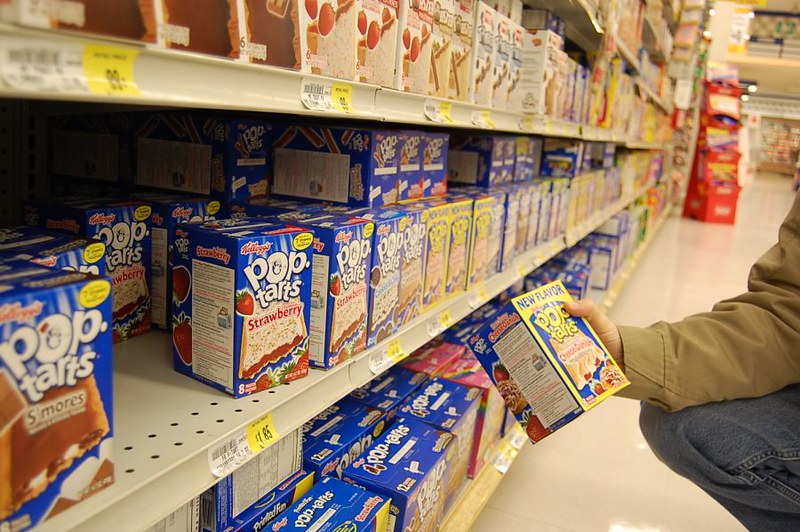
cursed pop tart flavors
Introduction
Packaged snacks are usually designed to feel safe, familiar, and comforting. Consumers expect predictable sweetness, familiar textures, and flavors that fit into daily routines. However, food brands sometimes take creative risks that go far beyond comfort. In the case of Pop-Tarts, experimentation led to a range of unusual releases that confused, shocked, and occasionally horrified customers. Over time, these experiments became known online as cursed pop tart flavors, a term used to describe combinations that felt wrong from the first bite.
These flavors were not always created as jokes. Many were serious attempts to attract new audiences, generate excitement, or follow short-lived food trends. Yet the contrast between expectations and reality made them unforgettable. This article examines why these strange flavors were created, how they failed, and why people still talk about them today with humor and disbelief.
Why Experimental Pop-Tart Flavors Exist
Marketing Curiosity and Brand Visibility
Large food brands operate in highly competitive environments, where standing out on crowded shelves is critical. Introducing unexpected flavors is one way to generate attention and media discussion. A product that looks shocking or unusual can attract buyers who are curious rather than hungry. Many cursed pop tart flavors were designed with this exact goal in mind: to be talked about, shared, and remembered, even if they were not loved.
Consumer Testing and Risk-Taking
Another reason behind unusual flavors is product testing. Brands use limited releases to gauge public reaction to new taste profiles or ingredients. While some experiments lead to successful long-term products, others fail dramatically. These failures still provide valuable insight into consumer preferences. Unfortunately for Pop-Tarts, some of these test ideas became widely mocked examples of how experimentation can go too far.
When Sweet and Savory Collide
Conflicting Flavor Expectations
Pop-Tarts are traditionally sweet, sugary pastries associated with breakfast or dessert. When savory flavors were introduced, they challenged this identity. The result was often confusion rather than excitement. Consumers struggled to accept savory aromas and flavors inside a frosted pastry shell. These combinations quickly earned a reputation as cursed pop tart flavors because they broke an unspoken rule about what Pop-Tarts are supposed to be.
Sensory Mismatch After Heating
Heating plays a major role in the Pop-Tart experience. Savory flavors released strong smells when toasted, which many found unpleasant or overwhelming. The contrast between the expected sweetness and the actual aroma created discomfort. For many consumers, this mismatch alone was enough to discourage repeat purchases.
Artificial Novelty Flavors and Taste Fatigue
Overuse of Synthetic Flavoring
Some experimental flavors relied heavily on artificial ingredients to mimic other foods or novelty concepts. While visually appealing, the taste often felt exaggerated and unnatural. The sweetness, combined with artificial aftertastes, made these pastries difficult to finish. As a result, several of these products were labeled as cursed pop tart flavors by consumers who felt misled by creative packaging.
Short Product Lifespan
Most novelty flavors were discontinued quickly due to low repeat sales. However, their short lifespan only added to their legend. People remembered them not because they were good, but because they were shocking. This brief existence turned them into snack history curiosities rather than forgotten failures.
Internet Culture and Lasting Popularity
Meme Culture and Viral Discussions
Social media transformed forgotten snack experiments into viral content. Photos of discontinued boxes, reaction videos, and ranking lists introduced these flavors to audiences who never tasted them. Online humor amplified their reputation, ensuring that cursed pop tart flavors remained part of internet culture long after disappearing from stores.
Shared Humor and Nostalgia
Surprisingly, many people look back on these flavors with fondness. The experience of trying something terrible becomes a story worth sharing. This shared humor creates a sense of community, turning disappointment into entertainment.
Why These Flavors Still Fascinate Consumers
Curiosity Over Practicality
Humans are naturally curious, especially when something is labeled strange or forbidden. Even when people expect disappointment, curiosity often wins. This mindset keeps interest alive and encourages brands to continue experimenting, despite past failures.
Lessons for Future Product Development
From a business perspective, these flavors highlight the importance of balance between creativity and brand identity. While innovation is necessary, ignoring core consumer expectations can lead to backlash. The legacy of cursed pop tart flavors serves as a reminder that creativity must align with consumer trust.
The Role of Limited Editions and Seasonal Experiments
Why Limited Releases Encourage Extreme Ideas
Limited edition products give brands more freedom to experiment without long-term risk. Because these items are not expected to stay on shelves permanently, companies feel more comfortable trying bold or unconventional concepts. In the case of Pop-Tarts, seasonal themes and promotional tie-ins often became an excuse to push flavor boundaries. This environment led directly to the creation of what consumers later described as cursed pop tart flavors, where novelty mattered more than balance or repeat appeal.
Psychological Impact of “Try It Before It’s Gone”
Scarcity plays a powerful role in consumer behavior. When people believe a product will disappear soon, they are more likely to buy it out of curiosity alone. Many unusual Pop-Tart flavors benefited from this effect, achieving short-term sales despite mixed or negative reviews. The excitement of trying something rare often outweighed concerns about taste, at least for first-time buyers.
Collector Mentality and Retro Appeal
Over time, discontinued flavors gained a second life among collectors and nostalgic fans. Old packaging designs, advertisements, and reviews became digital artifacts shared online. For some people, remembering these flavors is less about taste and more about the era they represent. This collector mindset helps explain why even unpopular releases continue to spark discussion years later.
Lessons for Future Snack Innovation
Limited editions show that experimentation is valuable, but they also highlight the importance of understanding consumer expectations. While extreme ideas attract attention, lasting success usually comes from flavors that feel surprising yet familiar.
Conclusion
Ultimately, cursed pop tart flavors represent more than failed snack experiments. They reflect the risks of innovation, the influence of internet culture, and the strange nostalgia people feel for discontinued products. While these flavors may not have succeeded commercially, they succeeded culturally. Their memory lives on as proof that even the strangest ideas can leave a lasting mark on food history.
Frequently Asked Questions (FAQs)
1. What does the term “cursed pop tart flavors” mean?
The phrase refers to Pop-Tart flavors that are widely considered strange, poorly balanced, or unpleasant by consumers. These flavors often combine unexpected ingredients or rely heavily on artificial taste profiles, making them memorable for the wrong reasons.
2. Were cursed pop tart flavors released as jokes?
No, most of these flavors were genuine product experiments. They were created to test consumer interest, follow food trends, or generate marketing attention, even though many later became internet jokes.
3. Why do people still talk about these flavors years later?
Social media, memes, and nostalgia keep these flavors alive. Even people who disliked them enjoy sharing stories and reactions, turning failed products into cultural talking points.
4. Did any cursed pop tart flavors succeed commercially?
Most had short lifespans and were discontinued quickly. While some sold well initially due to curiosity, few achieved long-term success or repeat purchases.
5. Why do brands continue experimenting despite past failures?
Experimentation helps brands understand consumer preferences and stay relevant. Even failed products provide valuable insights that influence future, more successful releases.
6. Are new cursed pop tart flavors still being created today?
Brands continue to experiment, though lessons from past reactions encourage more balanced innovation. While unusual flavors still appear, companies are more cautious about pushing ideas too far.